Table of Contents
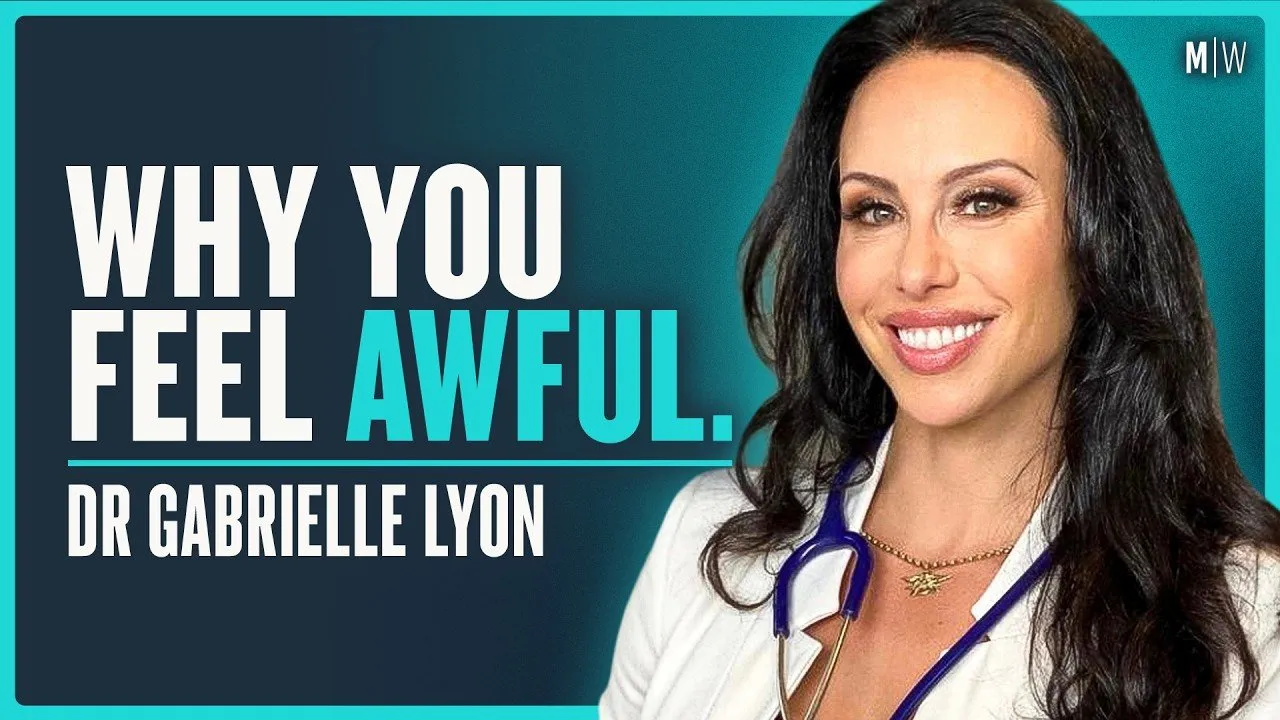
Many people walk into their doctor's office feeling terrible, only to be told their lab results look "perfect." If this sounds familiar, you're not alone. According to Dr. Gabrielle Lyon, a growing number of patients are suffering from environmental exposures that traditional medicine isn't equipped to diagnose or treat. From mold toxicity to parasites to heavy metals, these complex health challenges are becoming increasingly common in our modern world.
Key Takeaways
- Environmental exposures are now the third pillar of health alongside diet and exercise
- Many people suffer from mold sensitivity, parasites, and heavy metals that go undiagnosed
- Standard medical tests often miss these environmental health issues
- Genetic factors determine who becomes sensitive to environmental toxins
- Removal from exposure and sauna protocols are key treatment strategies
The Evolution of Health: Adding Environment as the Third Pillar
Dr. Lyon's understanding of health fundamentally changed when she encountered a patient who was doing everything right with diet and exercise but still felt terrible and was gaining weight. Despite initially insisting it was a lifestyle issue, she later discovered the patient had significant environmental exposures affecting her health.
"I had to call and apologize because it wasn't just diet and exercise. She had significant exposures that really affected her health and wellness."
This experience led Dr. Lyon to recognize environment as a crucial third pillar of health, alongside the traditional pillars of diet and exercise.
Why Environmental Illness is Rising
The increase in environmental illness stems from two factors: we have more exposures than ever before, including microplastics and various chemical compounds, and we're getting better at recognizing and detecting these issues. However, our diagnostic capabilities still lag behind the reality of what patients are experiencing.
The Hidden Epidemic: Common Environmental Exposures
Mold Toxicity: A Silent Threat
Mold exposure is one of the most common yet misunderstood environmental health issues. When sensitive individuals enter buildings with mold, they may experience:
- Severe brain fog and cognitive dysfunction
- Chronic fatigue and exhaustion
- Skin reactions and rashes
- Headaches and mood changes
- Visual disturbances
The challenge with mold is that there's no standardized diagnostic criteria. Unlike diabetes, where elevated blood sugar provides a clear diagnosis, mold sensitivity relies heavily on clinical observation and patient history.
Parasitic Infections: More Common Than You Think
Dr. Lyon emphasizes that parasitic infections are far more prevalent than most people realize. These infections can cause:
- Chronic fatigue and weakness
- Iron deficiency anemia
- Digestive issues and bloating
- Non-specific symptoms that mimic other conditions
Standard PCR testing for parasites may miss infections that show up under microscopic examination. Dr. Lyon recommends the older method of microscopy for more accurate detection.
"Globally, parasitic infections, especially worms like hookworm, whipworm, and roundworm, are one of the leading causes of iron deficiency anemia because they cause chronic blood loss that's slow."
Heavy Metals and Chemical Exposures
Modern life exposes us to numerous toxic substances including lead, mercury, cadmium, arsenic, and volatile organic compounds (VOCs). These can affect brain function, fertility, and overall health in ways that traditional medicine often overlooks.
The Genetic Component: Why Some People Get Sick and Others Don't
One of the most intriguing aspects of environmental illness is that not everyone exposed to the same toxins becomes sick. Dr. Lyon explains that genetic factors play a significant role in determining sensitivity to environmental exposures.
In her own family, when they discovered mold in their home, she and her son experienced symptoms while her husband and daughter remained unaffected. This genetic variability explains why environmental illness can be so misunderstood and dismissed.
The Diagnostic Challenge: When Labs Look Normal
Traditional medicine relies heavily on established biomarkers like testosterone, thyroid hormones, and basic blood panels. However, these tests don't capture the full picture of environmental health impacts.
The Problem with Standard Testing
Many patients experiencing environmental illness face a frustrating cycle:
- They feel terrible despite doing everything "right"
- Standard lab work comes back normal
- They're told it's "all in their head"
- The underlying environmental exposure continues causing damage
Dr. Lyon stresses the importance of looking beyond traditional markers when patients are clearly suffering but standard tests don't reveal the cause.
Advanced Testing Approaches
For environmental exposures, more specialized testing may be necessary:
- Microscopic examination for parasites rather than just PCR testing
- Comprehensive environmental toxin panels
- Testing for volatile organic compounds and solvents
- Gut permeability and digestive health assessments
Treatment Strategies: Beyond Traditional Medicine
Environmental Avoidance
The first and most crucial step is removing exposure to the problematic substance. This may mean:
- Moving out of a moldy building
- Addressing water damage in the home
- Using air filtration systems
- Avoiding certain foods or environments
Sauna Therapy for Detoxification
Research supports sauna therapy as an effective method for eliminating fat-soluble toxins through skin excretion. Dr. Lyon recommends:
- 30-60 minute sessions
- Temperature range of 113-176°F
- Regular protocol for ongoing detoxification
- Infrared saunas for those who can't tolerate high heat
"Sauna has good data for decreasing inflammation, for decreasing things like high-sensitivity C-reactive protein. These are inflammatory markers."
The Role of Mental Health
Dr. Lyon emphasizes that belief in one's ability to heal plays a crucial role in recovery. Patients who maintain hope and conviction about getting better tend to have better outcomes than those who become consumed by their illness.
The Future of Environmental Medicine
Dr. Lyon predicts that environmental medicine will become increasingly important as we face new exposures from technology, forever chemicals, and modern conveniences. She also believes we need to reevaluate current biomarkers and diagnostic approaches.
Emerging Concerns
Areas of particular concern for the future include:
- Microplastics and their health effects
- The impact of technology and electromagnetic fields
- Forever chemicals and their long-term consequences
- The interaction between multiple environmental stressors
A Team Approach to Complex Health Issues
Environmental health issues often require a collaborative approach involving multiple practitioners. Rather than seeking answers from a single provider, patients may benefit from working with a small team of specialists who can address different aspects of their health comprehensively.
Conclusion
If you're struggling with unexplained symptoms despite normal lab work, you're not imagining things. Environmental exposures represent a growing health challenge that requires new approaches to diagnosis and treatment. While traditional medicine catches up to this reality, patients need advocates who are willing to look beyond standard markers and consider the complex interplay between genetics, environment, and health.
The key is finding healthcare providers who understand that "your labs are normal" doesn't mean you're fine—it might just mean we're not looking at the right things yet. With proper investigation, environmental removal, and targeted treatments like sauna therapy, many people can reclaim their health and vitality.
Remember, healing from environmental illness requires patience, the right testing, and often a team approach. Most importantly, it requires believing in your body's ability to heal when given the proper support and environment to do so.