Table of Contents
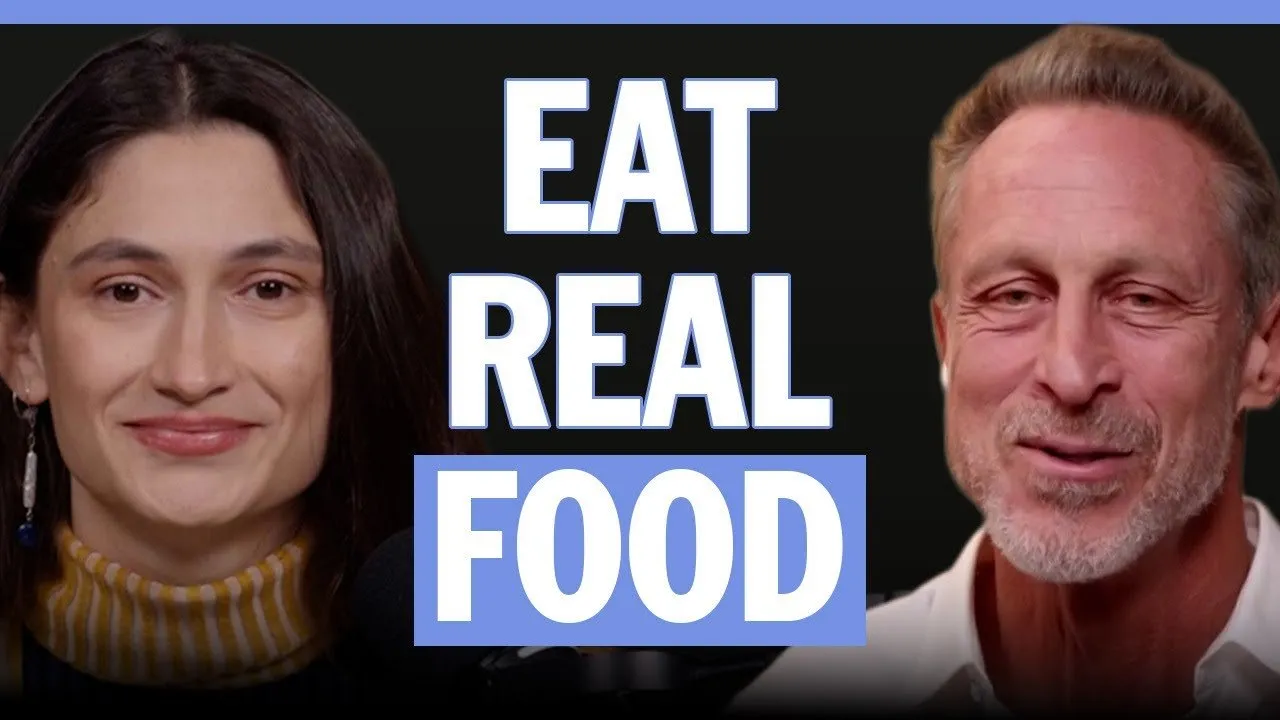
We are living in a health paradox. Despite spending more on healthcare than any other nation—roughly one in three federal dollars—Americans are sicker than ever. Obesity rates hover around 40 percent, and six in ten Americans live with a chronic illness. According to Dr. Mark Hyman, a veteran functional medicine practitioner and author of Food Fix Uncensored, we didn't arrive here by accident. We sleepwalked into a crisis manufactured by industrial agriculture, corporate lobbying, and outdated government policies.
Functional medicine views the body as an interconnected system rather than a collection of separate organs. When you apply this "systems thinking" to society, it becomes clear that you cannot solve the chronic disease epidemic in the doctor’s office alone. Diabetes and heart disease are effectively cured—or caused—on the farm, in the food processing plant, and in the halls of Congress.
Key Takeaways
- Food is information, not just energy: A calorie is not simply a calorie. While 100 calories of soda and 100 calories of broccoli release the same energy when burned in a lab, they trigger profoundly different hormonal and metabolic responses in the human body.
- The system is rigged by subsidies: Currently, only about 3% of American farmland is used to grow fruits and vegetables, while the vast majority produces corn, soy, and wheat—the raw materials of ultra-processed food.
- Addiction is engineered: Food scientists intentionally deconstruct raw ingredients and reassemble them to hit a "bliss point," hijacking the brain's chemistry to bypass satiety signals and drive overconsumption.
- The economic cost is staggering: For every $1 spent on food, there is an estimated $3 cost in collateral damage to healthcare, the environment, and the economy.
- GLP-1 agonists are not a silver bullet: While drugs like Ozempic have utility, relying on them without fixing the food system or addressing lifestyle factors (like muscle maintenance) creates new long-term risks.
The Industrialization of Our Plate
To understand why the American diet is predominantly comprised of corn, sugar, and wheat, we have to look at the history of agriculture. Following World War II, the drive to feed a growing global population led to the industrialization of farming. We moved from decentralized, human-sized agriculture to massive, mechanized monocultures.
Government subsidies and crop insurance programs incentivized the overproduction of commodity crops like corn and soy. This abundance of cheap raw materials needed a market, leading the food industry to process these crops into the myriad of edible substances that line our grocery store shelves today. This shift coincided with the "low-fat" dietary guidelines of the 1970s, which inadvertently encouraged the consumption of refined starches and sugars.
"Most of what people are eating is actually doing the opposite [of supporting life]. It's causing disease and death. By definition, what most Americans are eating is not food."
This industrial complex has created a "toxic triad" of Big Food, Big Ag, and Big Pharma. We subsidize the production of unhealthy food, consume it, get sick, and then pay the pharmaceutical industry to manage the symptoms. It is a cycle that drains the economy while destroying public health.
The Science of Engineered Addiction
One of the most pervasive myths in nutrition is that obesity is solely a failure of willpower. This ignores the biological reality of modern food processing. Food companies employ scientists to deconstruct ingredients and reassemble them into "food-like substances" designed to be hyper-palatable.
These products are engineered to bypass the body’s natural satiety mechanisms. You would likely struggle to eat five apples or three steaks in one sitting, but consuming an entire bag of chips or a 2-liter bottle of soda is physiologically easy. This is because ultra-processed foods hijack the brain's chemistry, lighting up pleasure centers in ways similar to addictive drugs.
The Calorie Myth
For decades, the consensus was "calories in, calories out." This reductionist view ignores the fact that food is biological code. Every bite provides instructions to your metabolism, microbiome, and genes.
If you consume sugar, you spike insulin—the fat-storage hormone. This drives inflammation, deposits fat in the belly, and triggers hunger, creating a vicious cycle. Conversely, nutrient-dense whole foods provide instructions for satiety and stable energy. You cannot simply count calories; you must consider the source and the hormonal signal that calorie sends.
The True Cost of Cheap Food
We often hear that eating healthy is too expensive, but this argument ignores the hidden costs of our current food system. The Rockefeller Foundation released a report on the "true cost of food," estimating that every dollar spent on food generates three dollars in downstream costs. These externalities include:
- Healthcare expenses: 80-90% of our $4.3 trillion healthcare bill is tied to chronic diseases, most of which are diet-related.
- Environmental destruction: Industrial farming practices deplete soil carbon, destroy biodiversity (including 75% of pollinators), and create massive "dead zones" in our waterways due to nitrogen fertilizer runoff.
- Loss of human potential: Poor diet impacts academic performance, mental health, and economic productivity.
Currently, the taxpayer pays on both ends: we fund the subsidies that make processed food cheap, and we fund the Medicare and Medicaid costs to treat the resulting illnesses.
Navigating the Era of Ozempic and Peptides
As the metabolic crisis deepens, interest in pharmaceutical interventions like GLP-1 agonists (e.g., Ozempic, Wegovy) has exploded. While these drugs can be effective tools for those in dire need, they are not a holistic solution to a systemic problem.
There are significant concerns regarding the mass adoption of these drugs without accompanying lifestyle changes. Users often lose muscle mass alongside fat, which can permanently damage their metabolism if they eventually cycle off the drug. furthermore, side effects such as bowel obstructions and pancreatitis, while rare, become statistically significant when millions of people are medicated.
The goal should be to use these interventions judiciously, paired with rigorous nutritional support and strength training, rather than viewing them as a license to continue consuming a poor diet.
Practical Solutions for Reclaiming Your Health
While policy reform is necessary to fix the system, individuals can take immediate steps to opt out of the industrial food environment. Dr. Hyman suggests a few critical filters for navigating the grocery store.
Three Ingredients to Eliminate
- High Fructose Corn Syrup (HFCS): While not inherently the only "bad" sugar, HFCS is a reliable marker for low-quality, ultra-processed industrial food. If you see it on the label, put the item back.
- Trans Fats: despite FDA rulings, loopholes allow companies to list trans fats as "zero" if they contain less than 0.5 grams per serving. Look for "partially hydrogenated oils" in the ingredient list—common in products like Cool Whip—and avoid them entirely.
- Unrecognizable Ingredients: If a product contains ingredients you cannot pronounce or wouldn't have in your own kitchen cupboard, it is likely a chemical experiment rather than food.
Three Elements to Prioritize
- Phytochemicals: These are the colorful medicinal compounds in plants (like curcumin in turmeric or anthocyanins in berries). They act as the "dark matter" of nutrition, regulating inflammation and oxidative stress.
- The Protein-Fat-Fiber Combo: To manage your glycemic load and avoid insulin spikes, never eat "naked" carbohydrates. Always anchor carbs with protein, healthy fats, and fiber.
- The "God-Made" Rule: Ask yourself a simple question: Did nature make this, or did a factory make this? If it’s an egg, an avocado, or a tomato, eat it. If it’s a Pop-Tart, leave it.
Conclusion
The solution to America's health crisis won't come from a single pill or a new government guideline. It requires a fundamental shift in how we view food—not as a commodity, but as the foundation of life and health. While we push for agricultural reforms and stricter regulations on food marketing, we must also take personal responsibility for the "commercial determinants" of our health.
By reconnecting with real food, cooking at home, and understanding that every bite is a biological instruction, we can begin to reverse the trends of chronic disease. Community is medicine; our social circles influence our health behaviors more than our genetics. By making these changes together, we don't just heal ourselves—we begin to heal the system.