Table of Contents
The Evolution of Menopause Hormone Therapy: What You Need to Know
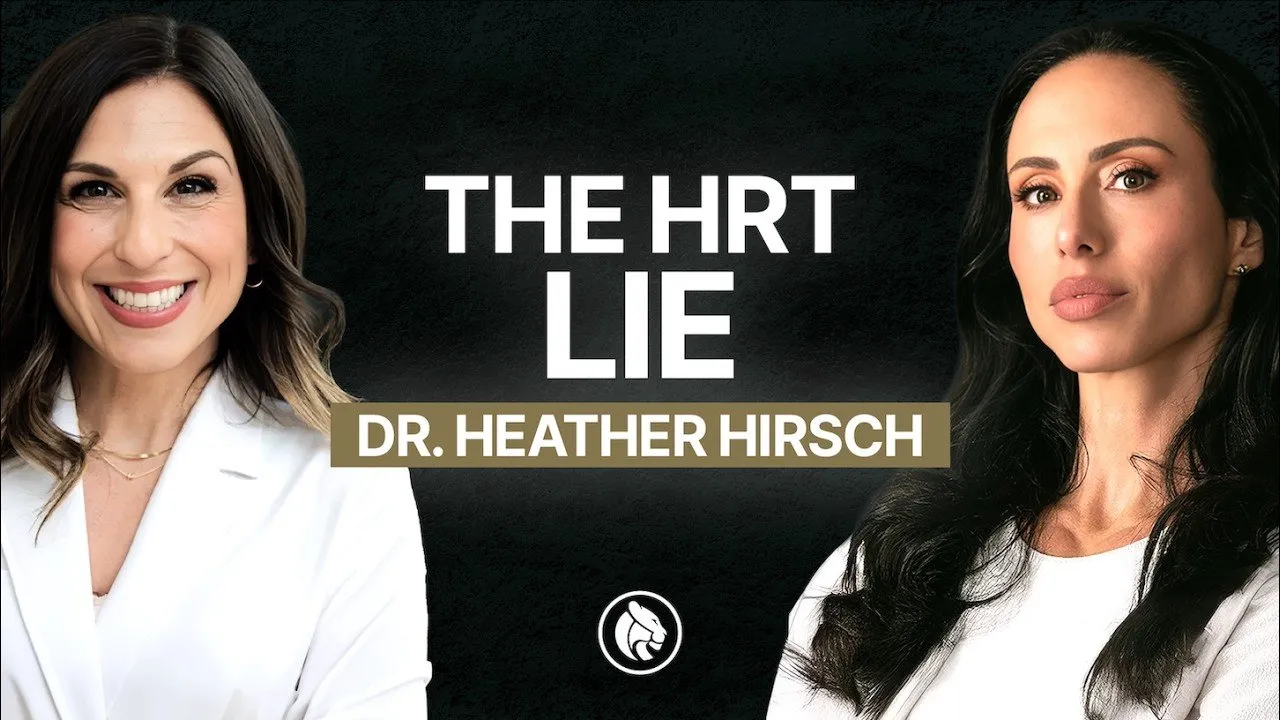
For decades, a single medical study—the Women’s Health Initiative (WHI)—cast a long, dark shadow over hormone therapy, leading millions of women to abandon treatment and leaving many to suffer through menopause in silence. Today, the medical landscape is shifting as experts like Dr. Heather Hirsch work to clarify the myths surrounding safety, breast cancer risk, and long-term health. Understanding the true data behind hormone therapy is no longer just about managing symptoms; it is about reclaiming health span and protecting the body against the leading causes of death in women.
Key Takeaways
- Heart disease is the leading cause of death in women, and evidence suggests that early initiation of hormone therapy can support cardiovascular health by improving blood flow.
- Breast cancer risk is often misunderstood; clinical data indicates that estrogen itself is not a causative agent, and using bioidentical progesterone instead of synthetic progestins significantly changes the safety profile.
- The "10-year window" is vital, but women outside this timeframe may still have safe options, such as transdermal estrogen or localized therapies, depending on their individual health history.
- Symptom management matters, but the focus is shifting toward "health span"—preserving bone density, brain function, and metabolic health during and after the transition.
The Shadow of the Women’s Health Initiative
The 2002 press release regarding the Women’s Health Initiative (WHI) created a media firestorm that essentially turned hormone replacement therapy (HRT) into "kryptonite" for clinicians and patients alike. While the headlines warned of a 26% increased risk of breast cancer, the data was frequently misinterpreted.
Relative vs. Absolute Risk
Dr. Hirsch emphasizes the difference between relative risk and absolute risk. The actual translation of those findings was two to four cases per 1,000 women over five years. Furthermore, the study utilized a specific, synthetic progestin and an older cohort of women, many of whom were well past the age of natural menopause. Modern analysis of women within ten years of menopause shows a different story entirely: reductions in heart disease, improved bone density, and decreased all-cause mortality.
"The story of hormone replacement therapy is an interesting one and it's more a media frenzy and a little bit of myth than there is an actual scientific story." — Dr. Heather Hirsch
Estrogen, Progesterone, and the Safety Profile
Modern menopause hormone therapy (MHT) is highly customizable. Rather than a one-size-fits-all approach, clinicians now look at individual needs, using transdermal patches, gels, or sprays which bypass the liver, significantly reducing the risk of blood clots compared to oral formulations.
Addressing the Breast Cancer Myth
The biggest barrier to treatment remains the fear of breast cancer. However, Dr. Hirsch argues that there is no clinical proof that estrogen causes breast cancer. Instead, it may accelerate the growth of an existing, undiagnosed estrogen-receptor-positive tumor. This distinction is critical: estrogen is not an initiation factor, but it can influence the progression of something already in motion. By monitoring patients appropriately and utilizing bioidentical progesterone, many of these risks are mitigated.
The Role of Progesterone and Testosterone
Progesterone is often the unsung hero of MHT, particularly for women dealing with sleep issues and anxiety due to its impact on GABA receptors in the brain. Testosterone, while still held back by outdated DEA restrictions and lack of FDA-approved formulations for women, is increasingly recognized for its role in mood, cognitive clarity, and exercise recovery.
"We've never actually proven that estrogen itself causes breast cancer." — Dr. Heather Hirsch
Cognitive Health and Longevity
While we lack massive randomized control trials specifically labeling MHT as "dementia prevention," the correlation between hormone status and brain health is undeniable. Estrogen serves as a potent vasodilator, ensuring that the brain receives consistent blood flow—a necessary component for removing metabolic waste and maintaining healthy tissue.
Health Span vs. Lifespan
The goal of modern therapy is to extend health span—the years spent living without chronic disease. Women who are completely devoid of hormones often face accelerated bone loss, muscle atrophy, and cognitive decline. By treating symptoms early, such as during perimenopause, women can potentially delay or reduce the severity of these age-related conditions.
"There is an increased risk for dementia or other cognitive challenges when individuals are devoid of hormones." — Dr. Heather Hirsch
Breaking the Cycle of Normalized Suffering
Societally, there is a tendency for women to "push through" the suffering associated with hormonal changes. Dr. Hirsch notes that many patients wait until their symptoms are debilitating before seeking help, often after a decade of diminished quality of life. The choice to utilize hormone therapy is personal, but it should be an informed choice based on evidence rather than fear.
Conclusion
The landscape of menopause care is moving toward a more proactive, evidence-based model that prioritizes individual quality of life. While the medical community continues to advocate for more research and better standardized care, current data shows that for many women, hormone therapy is a safe and effective tool for long-term health. By moving past the myths of the early 2000s and focusing on personalized, low-dose, transdermal options, women can navigate menopause not just as a period of decline, but as a phase of life where they can continue to thrive.