Table of Contents
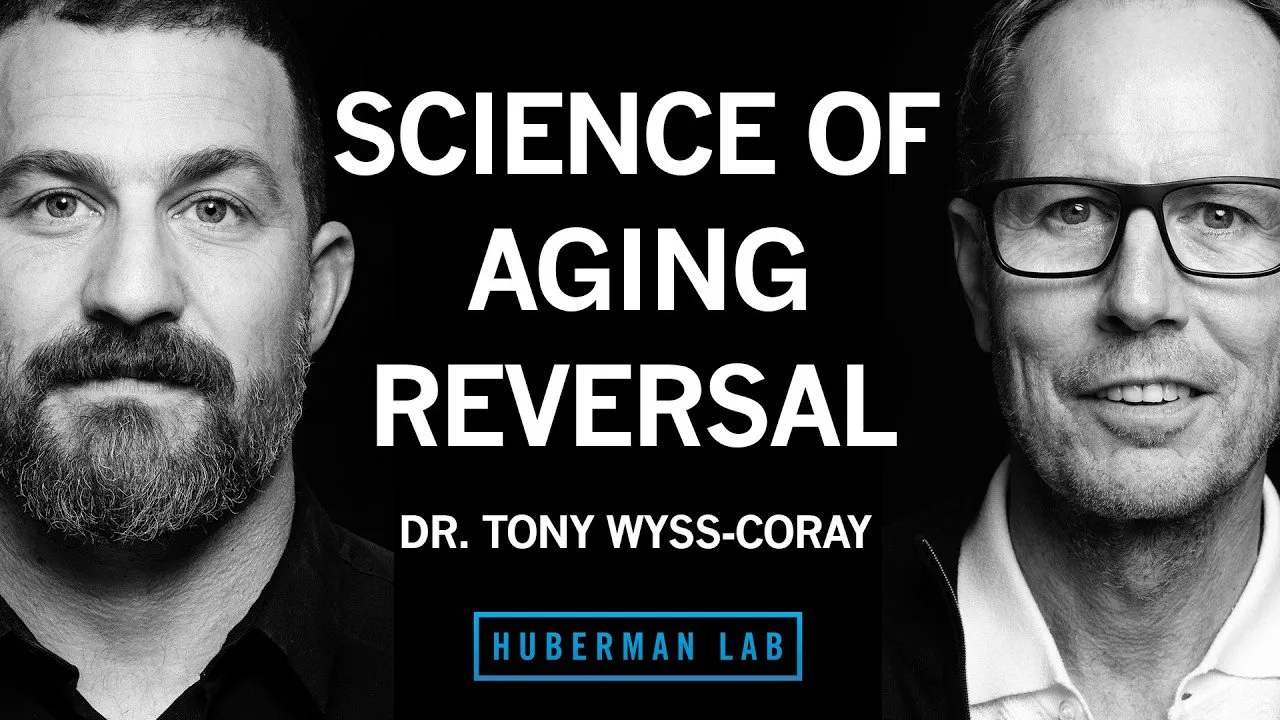
The quest to reverse aging has moved from the realm of science fiction into the rigorous world of molecular neurology. Dr. Tony Wyss-Coray, a professor of neurology at Stanford School of Medicine, has pioneered research demonstrating that the blood circulating through our veins is more than just a nutrient delivery system. It is a complex communication network that carries the "software" of our biological age. By studying how young blood can rejuvenate old tissues, his work suggests that we may eventually be able to "reboot" the aging brain and body, restoring vitality through the targeted use of systemic factors.
Key Takeaways
- Blood as Medicine: Blood-borne factors are not just markers of health; they actively influence the aging process and can be used to reactivate stem cells and reduce inflammation.
- Non-Linear Aging: Human aging occurs in "waves," with significant molecular shifts typically occurring in the early 40s and early 60s.
- Organ-Specific Clocks: Different organs in the same body age at different rates. Measuring an "age gap" in a specific organ can predict future disease risks.
- Exercise Mimetic Factors: Physical activity triggers the liver to release specific proteins, such as clusterin, which directly benefit brain health and cognitive function.
- Social and Environmental Impact: Beyond biology, social connectivity and sunlight exposure remain two of the most powerful, evidence-based tools for maintaining health span.
The Science of Rejuvenation: From Parabiosis to Plasma
Modern longevity research was revolutionized by a surgical model known as parabiosis, where the circulatory systems of a young and an old mouse are joined. Dr. Wyss-Coray’s collaborations in this field revealed that exposing an old organism to young blood can fundamentally alter the state of its tissues. This isn't just about slowing down decline; it's about active rejuvenation.
For the first time we could take an old brain and we could give factors from a young organism and ask is that going to change the age of the brain.
- Neural Reactivation: In mice, young blood exposure reactivates dormant stem cells in the brain, leading to the birth of new neurons.
- Cognitive Improvement: Older animals treated with young plasma showed significant improvements in memory and spatial learning tasks.
- Reduced Inflammation: Young factors help "dampen" the chronic low-grade inflammation, often called inflammaging, that characterizes older brains.
- Human Translation: Clinical trials have begun using plasma fractions from young donors to treat patients with Alzheimer’s and Parkinson’s disease.
- Albumin and TPE: Therapeutic Plasma Exchange (TPE) involves removing old plasma and replacing it with albumin, which has shown promise in clearing "molecular junk."
- Growth Factors: The beneficial effects are largely attributed to growth-promoting proteins that diminish as we age, such as GDF11.
Not All Organs Age Alike: The Emergence of Biological Clocks
We often think of aging as a uniform process, but molecular data shows that our organs do not expire on the same schedule. Dr. Wyss-Coray explains that by analyzing thousands of proteins in a single drop of blood, scientists can now determine the "biological age" of specific organs like the heart, liver, or kidneys, independent of chronological age.
- Protein Signatures: Each organ sheds specific proteins into the bloodstream; by measuring these, researchers can create an "organ clock."
- The Age Gap: If your heart’s biological age is five years older than your chronological age, you have a significantly higher risk of a heart attack within the next decade.
- Disease Prediction: These "age gaps" are strong predictors of future chronic illnesses, including kidney disease and Alzheimer’s.
- Precision Medicine: This technology allows for tailored interventions—if your liver is aging fast, you can focus on metabolic changes before symptoms appear.
- Clinical Availability: Companies like Vero Biosciences are working to make these organ-aging tests available to the public.
- Non-Synchronous Decline: While most organs age in sync, roughly 20% of the population has at least one organ that is aging significantly faster than the rest.
The Fountain of Youth vs. the Toxic Sink
The aging process is a double-edged sword involving both the loss of protective factors and the accumulation of harmful ones. Dr. Wyss-Coray emphasizes that blood is not just a source of "youth" but also a reservoir for the "garbage" that cells produce over decades of life.
Our blood is nature's cocktail... it's the fountain of youth that lives in us, but it dries out as we get older.
- Pro-Aging Factors: Older blood contains increased levels of inflammatory proteins that, when injected into young mice, can actually impair their memory.
- Neutralizing the Bad: Therapeutic strategies are being developed to not only supply young factors but to filter out or neutralize these toxic aged proteins.
- The Receptor Challenge: Different cells have different receptors, meaning a single "youth factor" won't work for every organ; a cocktail approach is likely necessary.
- Mitochondrial Targets: Rejuvenating factors appear to target mitochondria, the energy producers in our cells, restoring their efficiency.
- Blood Banking: While some wonder if they should bank their own young blood, the research suggests that pooled young blood from any healthy donor is equally effective.
- Biological Signatures: Using 11,000-protein platforms, scientists can now identify a person's age within a few years just by looking at their plasma.
The Impact of Exercise and Fasting on Systemic Aging
While molecular therapies are on the horizon, lifestyle remains the most potent way to alter the blood's composition. Exercise, in particular, has been shown to release factors into the blood that mimic the effects of young plasma, specifically targeting the brain's health.
- The Liver-Brain Axis: Exercise triggers the liver to release a protein called clusterin, which travels to the brain to reduce neuroinflammation.
- Exercise Mimetics: In mouse studies, blood taken from a running mouse and given to a sedentary mouse conferred the cognitive benefits of exercise to the non-runner.
- Lac-Phe and Intensity: High-intensity exercise produces Lac-Phe, a metabolite that may help regulate appetite and metabolic health.
- Fasting and Proteostasis: Fasting and caloric restriction promote "cellular cleaning" (autophagy), helping the body manage protein "garbage."
- Metabolic Alertness: Starvation states may evolutionarily trigger brain alertness to help the organism find food, which can be leveraged for cognitive clarity.
- Non-Linear Benefits: You don't need to be a marathoner; even moderate, consistent movement provides significant "molecular anti-aging" signals to the brain.
Beyond the Organ: Measuring Cell-Specific Aging
The latest frontier in Dr. Wyss-Coray’s research involves looking beyond organs to the individual cells that compose them. By identifying how specific cell types—like astrocytes in the brain or muscle fibers—age, we can gain unprecedented resolution into the mechanics of disease.
There is no human intervention that can extend lifespan that has been tested or validated.
- ALS and Muscle Cells: New data suggests that people at risk for ALS show signs of "accelerated aging" in their skeletal muscle cells long before they lose motor function.
- Astrocytes and Alzheimer's: The age of astrocytes (support cells in the brain) is a stronger predictor of Alzheimer’s risk than the age of the brain as a whole.
- The Human Proteome Map: Researchers are building a map of how the body responds to the disruption of specific genes by profiling blood from people with rare genetic diseases.
- Early Detection: By monitoring the "cellular age" in blood, we may be able to detect the transition from healthy aging to the earliest stages of neurodegeneration.
- Gene Mutations: Studying monogenic diseases allows scientists to see how knocking out one gene affects thousands of proteins in the blood.
- Public Research Tools: These cellular and proteomic maps are being made public to help researchers worldwide identify new drug targets for aging.
Sustainable Longevity: Lifestyle, Social Connection, and Environment
While the science of blood factors is complex, many of the most effective tools for longevity are surprisingly accessible. Dr. Wyss-Coray highlights that biological health is deeply intertwined with our environment and how we interact with others.
- Social Connectivity: Loneliness is a significant biological stressor; social interaction is a common denominator among the world’s longest-living populations.
- Sunlight and Mood: Sufficient photons during the day and darkness at night are essential for regulating the cortisol and melatonin cycles that drive cellular repair.
- The Glymphatic System: Sleep is the brain's primary "waste management" phase, where the glymphatic system clears out metabolic debris.
- Moderation: While alcohol is generally detrimental to health, the social culture surrounding moderate intake (like in Mediterranean cultures) may offer a net benefit through community.
- Dietary Quality: Focusing on whole foods and minimizing highly processed, "packaged" foods reduces the cumulative load of toxins the body must process.
- Cognitive Challenge: Engaging in tasks that are difficult—like learning a new language or instrument—may help maintain the neural circuits associated with tenacity and focus.
Conclusion
The work of Dr. Tony Wyss-Coray reminds us that aging is not a fixed, inevitable decay, but a biological process that is heavily influenced by the molecules circulating in our blood. While we may not yet have a "magic pill" for immortality, the ability to measure organ-specific aging and the discovery of exercise-induced rejuvenation factors provide a roadmap for the future. By combining precision diagnostics with foundational lifestyle habits—exercise, sleep, and social connection—we can move closer to the goal of health span: staying as vital and cognitively sharp as possible until the very end of our lives.