Table of Contents
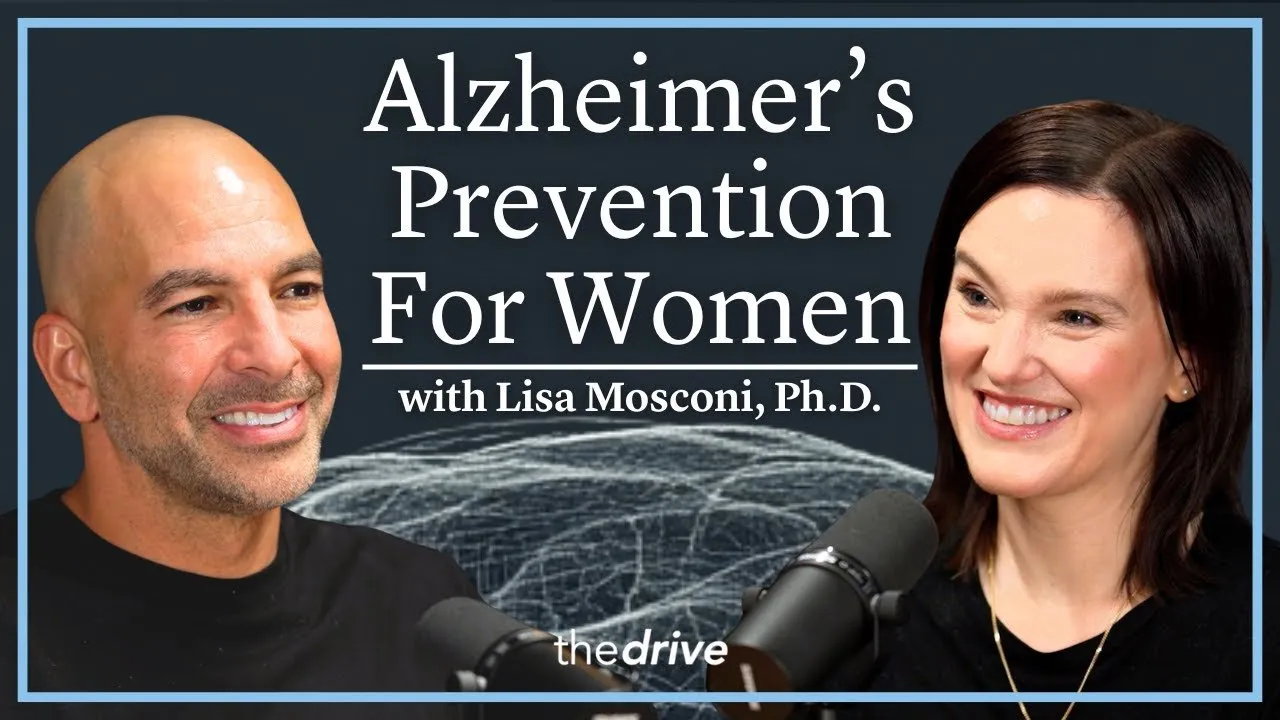
Alzheimer's disease, a devastating condition that progressively erodes memory, thinking skills, and the ability to carry out simple tasks, is often perceived as a general affliction of old age. However, emerging research is uncovering a profound and concerning disparity: Alzheimer's disproportionately affects women. Dr. Lisa Mosconi, a leading neuroscientist and Director of the Women's Brain Initiative, joins Dr. Peter Attia to delve into the intricate relationship between female hormonal transitions, particularly menopause, and the heightened risk of Alzheimer's, exploring new diagnostic tools, therapeutic avenues, and the critical need for sex-specific research.
Key Takeaways
- Alzheimer's Disease Disparity: Women are almost twice as likely to develop Alzheimer's disease compared to men, a difference not solely explained by their longer average lifespan.
- Midlife Onset of Pathology: Alzheimer's pathology often begins in midlife, with women showing earlier and faster progression of brain lesions compared to men, despite often masking early cognitive symptoms due to higher cognitive reserve.
- Hormonal Influence: The sudden and dramatic decline in sex hormones during menopause is a critical period that significantly impacts women's brain health and Alzheimer's risk.
- Advanced Diagnostics: Cutting-edge brain imaging and blood biomarkers are revolutionizing early Alzheimer's detection, moving beyond late-stage clinical symptomology to identify risk decades in advance.
- Re-evaluating Hormone Therapy: Recent insights suggest a more nuanced view of menopausal hormone therapy (MHT), with evidence pointing to potential neuroprotective benefits when initiated within a specific "window of opportunity" (e.g., within 10 years of menopause) and with specific formulations.
Understanding Dementia: Beyond Alzheimer's
Dementia is an umbrella term encompassing various disorders characterized by cognitive decline severe enough to interfere with daily life. While Alzheimer's disease is the most common form, accounting for approximately 70% of all dementia cases, it is crucial to understand that it is not the only one. Other significant types include Frontotemporal Dementia (FTD), Lewy Body Dementia (LBD), and Vascular Dementia.
Dr. Mosconi explains:
- Alzheimer's Disease: Primarily characterized by memory loss, it's linked to the accumulation of amyloid-beta plaques and tau neurofibrillary tangles in the brain.
- Frontotemporal Dementia (FTD): Tends to occur earlier in life and predominantly affects language production (aphasia) and behavioral changes, with distinct brain scan patterns compared to Alzheimer's.
- Lewy Body Dementia (LBD): Associated with mutations in the alpha-synuclein protein, leading to symptoms like fluctuating cognition, hallucinations, and Parkinsonian motor features.
- Vascular Dementia: Caused by damage to brain blood vessels, it often coexists with other dementia types, leading to "mixed dementia." In fact, it is rare for a patient to have only one type of dementia pathology.
For decades, dementia diagnoses relied on clinical symptoms, often appearing late in the disease's progression. However, the advent of biological markers, such as brain imaging and fluid biomarkers (blood and CSF), is enabling earlier diagnosis, offering a crucial window for intervention. Dr. Mosconi notes the field's shift towards preventing or delaying the onset of symptoms, rather than attempting to reverse severe damage.
"We're trying to catch people when they're still relatively healthy."
The Alarming Gender Disparity in Alzheimer's
One of the most striking aspects of Alzheimer's disease is its disproportionate impact on women. Women are approximately twice as likely to develop Alzheimer's as men. For many years, this disparity was dismissed by attributing it solely to women's longer lifespans, as Alzheimer's is a disease of old age. However, Dr. Mosconi and her peers challenge this oversimplification.
Debunking the Longevity Myth
- Actuarial Analysis: A simple review of mortality tables reveals that the 2-3 year difference in average lifespan between men and women cannot account for a twofold increase in Alzheimer's prevalence.
- Other Dementias: If longevity were the sole factor, women would exhibit higher prevalence in other age-related neurodegenerative disorders. Yet, vascular dementia is 50/50, and Parkinson's disease with dementia and Frontotemporal dementia are more prevalent in men.
- Incidence vs. Prevalence: While prevalence (cumulative cases) is higher in women, studies increasingly show that the incidence (new cases per period) is also higher among women, especially in lower socioeconomic regions.
Earlier Onset and Faster Progression
Dr. Mosconi's research, and that of many others, indicates that women often start developing the pathology of Alzheimer's earlier than men, often in midlife.
- Midlife Red Flags: Brain scans of women aged 45-65, particularly those with a family history or APOE4 genotype, tend to show more "red flags" for Alzheimer's disease compared to age-matched men.
- Faster Lesion Progression: The progression of these brain lesions appears to be faster in women. When men and women present with the same dementia severity, women's brains often harbor more pathology.
- Cognitive Reserve: Women's brains, particularly in areas related to verbal memory, possess a higher "cognitive reserve." This allows them to compensate longer, effectively masking early Alzheimer's symptoms and delaying diagnosis.
This leads to a profound re-evaluation of the disease's timeline:
"Alzheimer's is not a disease of old age. It's a disease of midlife with symptoms that start in old age."
This shifts the critical question to: "What happens to women, and not to men, in midlife that could explain this higher risk?"
APOE4 Genotype: A Striking Gender Difference
The APOE4 gene allele is the strongest genetic risk factor for Alzheimer's. The impact of APOE4 is significantly more pronounced in women:
- Women heterozygous for APOE4 (one copy) have a fourfold increased risk of dementia.
- Women homozygous for APOE4 (two copies) face a staggering 12 to 15 times higher risk compared to non-carriers. This risk is roughly double that observed in men with the same genetic profile.
Hormonal Transitions: Menopause and the Brain
A key difference between male and female aging is the dramatic and relatively sudden hormonal shift during menopause. While men experience a gradual decline in androgens, women undergo a precipitous drop in estrogen and other sex hormones around midlife.
Advanced Brain Imaging Reveals Novel Insights
To understand the brain changes during menopause, Dr. Mosconi's team employs a suite of advanced imaging techniques:
- Structural MRI (T1, T2, FLAIR): Measures brain volume, detects atrophy (especially in the hippocampus, a biomarker for AD risk), and identifies white matter lesions (gliosis, vascular damage).
- Diffusion Tensor Imaging (DTI): Assesses the structural connectivity of brain networks.
- Arterial Spin Labeling (ASL): A non-invasive MRI technique to measure cerebral blood flow, crucial for understanding brain energy supply.
- Phosphorus-31 Magnetic Resonance Spectroscopy (31P MRS): Evaluates ATP production and metabolic stress in neurons, an indicator of energetic damage.
- PET Scans (FDG PET, C11 PIB PET): FDG PET measures metabolic activity, while C11 PIB PET (amyloid PET) directly visualizes Alzheimer's plaques in the brain.
Estrogen Receptor Imaging: A Game Changer
A breakthrough in Dr. Mosconi's research is the use of F-18 fluoroestradiol PET (estrogen receptor imaging), repurposed from oncology, to directly measure estrogen receptor (ER) density in the living human brain.
Intriguingly, initial studies measuring ER-alpha density in the pituitary gland (a region highly responsive to estrogen) showed:
- ER density begins to increase during perimenopause.
- It remains high after menopause, specifically up to age 65, in hormone-naive women.
- This finding challenges preclinical rodent models, which predicted an initial overexpression followed by a sudden crash in ER density post-menopause.
This suggests that the "window of opportunity" for hormone therapy might be wider than previously assumed, as the brain appears to "scream for estrogen" by upregulating receptors even years after the final menstrual period. However, the functionality of these receptors in older brains, particularly in the context of oxidative stress, remains a critical area of investigation.
Another crucial insight is that circulating estrogen levels in the blood do not necessarily reflect estrogen levels or receptor activity in the brain. The brain tightly regulates hormone entry via active transporters and the blood-brain barrier, sheltering it from rapid fluctuations in the periphery.
Navigating Menopausal Hormone Therapy (MHT): Evidence and Controversy
The role of menopausal hormone therapy (MHT) in women's brain health and Alzheimer's risk has been a contentious and often misunderstood topic, largely shaped by the Women's Health Initiative Memory Study (WHIMS).
The WHIMS Legacy and its Flaws
- The WHIMS, the only large-scale randomized clinical trial on MHT and dementia incidence, reported an increased risk of dementia in women taking combined estrogen-progestin therapy (oral conjugated equine estrogen and medroxyprogesterone acetate - MPA).
- However, WHIMS had critical limitations:
- Participants were, on average, older (mean age 67) and well past the onset of menopause, potentially outside the "window of opportunity."
- The formulations used (oral CEE and MPA) are known to have different risk profiles than today's body-identical, transdermal options. MPA, in particular, has been linked to increased vascular damage and may have contributed to breast cancer risk.
- Despite these caveats, the WHIMS findings profoundly impacted clinical practice and public perception, fostering a widespread fear of MHT.
Dr. Attia strongly emphasizes,
"Estrogen is very important for their brains."
He critiques the media and certain scientific bodies for perpetuating the false narrative that "estrogen causes breast cancer," citing that subsequent analyses of WHIMS data showed no increase in breast cancer mortality and that any incidence increase was likely due to MPA, not estrogen itself. The analogy to testosterone and prostate cancer is drawn: testosterone does not cause prostate cancer, but managing it is crucial once cancer is present.
Observational Research Offers Nuance
While definitive RCTs on MHT in midlife and long-term dementia outcomes are challenging, observational studies provide valuable, albeit descriptive, insights:
- Timing Matters: MHT initiated within 10 years of the final menstrual period (FMP) shows better outcomes.
- Formulation Matters:
- Women with a hysterectomy (uterus removed) taking estrogen-only therapy within 10 years of FMP show a significant 32% reduced risk of Alzheimer's/dementia.
- Women with a uterus taking estrogen and a progestogen within 10 years of FMP show a trend-level 23% risk reduction.
- Late Initiation: Starting MHT more than 10 years after FMP shows no obvious benefit for estrogen-only therapy and an increased risk for combined estrogen-progestogen therapy (with older formulations).
- Early Menopause: Professional guidelines strongly support MHT for women experiencing early menopause, especially due to oophorectomy, recognizing its significant benefits for overall and brain health.
The current challenge lies in conducting prospective studies that utilize modern, body-identical MHT formulations and track biological markers of Alzheimer's risk in real-time, which Dr. Mosconi's CARE program aims to address.
The Future of Women's Brain Health: Research and Novel Therapies
Recognizing the urgent need for sex-specific research, Dr. Lisa Mosconi has launched CARE (Cutting Alzheimer's Risk through Endocrinology), a $50 million research program aimed at halving the risk of Alzheimer's disease for women by 2050.
CARE: A Moonshot for Women's Brain Health
- Objective: To provide convincing evidence that specific interventions, including MHT, have a beneficial effect on biological markers of Alzheimer's risk in women.
- Approach: Leveraging longitudinal data from over 20 million women across six continents, moving beyond aggregated, "genderless" risk models to understand female-specific neuroendocrine factors.
- Hormonal History as a Vital Sign: The program aims to formally establish a woman's reproductive history (puberty, pregnancy, postpartum, menopause) as a "stress test" or indicator of future cognitive health. For instance, conditions like preeclampsia or midlife depression can signal increased long-term Alzheimer's risk.
- Prospective Studies: CARE will follow women who spontaneously choose to start MHT and compare them to non-users, tracking key Alzheimer's biomarkers over three years.
"Hormonal history should be considered a vital sign."
Emerging Therapeutic Avenues
- GLP-1 Agonists: Drugs like tirzepatide, known for their effects on weight loss and insulin sensitivity, are being investigated for potential neuroprotective benefits independent of their metabolic effects. Early pilot data suggest a reduction in blood- and CSF-based markers of neuroinflammation and protein aggregation.
- Selective Estrogen Receptor Modulators (SERMs): These compounds selectively target different types of estrogen receptors (alpha, beta, GPER) found in various tissues. Neuroserms, like PhytoSERM (derived from plant phytoestrogens), are being developed to specifically bind to estrogen receptor beta, which is more abundant in cognitive brain regions, to stimulate cognition and mitochondrial activity without affecting reproductive organs.
The consensus is clear: more rigorous, targeted research, including prospective randomized controlled trials utilizing advanced biomarkers, is desperately needed to guide clinical decisions and unlock effective prevention strategies.
Empowering Prevention: Lifestyle and Long-Term Resilience
While awaiting definitive answers from ongoing research, the most powerful tools available for Alzheimer's prevention remain behavioral and lifestyle-based. Dr. Mosconi emphasizes the "ABCs of Alzheimer's prevention":
- Comprehensive Lifestyle Management: This includes a balanced diet, regular exercise, effective stress reduction, and consistent sleep hygiene.
- Management of Medical Conditions: Actively addressing and managing cardiovascular risk factors such as high blood pressure, insulin resistance, diabetes, and obesity is paramount.
- Consistency is Key: Unlike the rest of the body, which shows rapid responses to changes, the brain is built for stability. Building cognitive resilience and brain reserve requires consistent, long-term effort.
- Exercise Benefits: Physical activity stimulates the production of neurotrophic factors like BDNF (brain-derived neurotrophic factor) and irisin, supporting neuronal health, growth, and synaptic plasticity.
- Reducing Systemic Stress: Strategies to reduce inflammation and oxidative stress throughout the body directly translate to improved brain health and slower aging.
Both Dr. Mosconi and Dr. Attia share an increasing optimism regarding the future of dementia treatments. While current interventions may not reverse advanced disease, delaying the onset of symptoms by even a decade through lifestyle modifications and emerging therapies could dramatically improve a person's cognitive lifespan.
Conclusion
The conversation between Dr. Peter Attia and Dr. Lisa Mosconi illuminates the profound and complex relationship between female biology, particularly hormonal shifts during menopause, and Alzheimer's disease. The scientific community is moving beyond generalized assumptions to delve into sex-specific differences, powered by advanced neuroimaging and ambitious research initiatives like CARE. While much remains to be understood, the message for women is clear: proactive lifestyle management, open dialogue with healthcare providers about menopausal hormone therapy, and engagement with evolving research are crucial steps toward safeguarding cognitive health and ensuring that cognitive lifespan aligns with overall longevity.