Table of Contents
Recent diplomatic efforts in Geneva have laid bare the widening chasm between Russian expectations and Western narratives. While rumors circulated of a massive economic "grand bargain," the reality on the ground suggests a much grimmer outlook for the ongoing conflict. From the hardening of Moscow’s negotiating stance to sensational new claims regarding the Nord Stream sabotage, the geopolitical landscape is shifting toward a period of prolonged attrition and internal political instability in Kyiv.
Key Takeaways
- Russian negotiators maintained a strict "Istanbul plus" position in Geneva, offering no concessions to Western or Ukrainian demands.
- European leaders are increasingly relying on "policy by affirmation," insisting on Russian failure despite the realities of the frontline.
- A new investigative report from Der Spiegel suggests the CIA was aware of Nord Stream sabotage plans involving Valerii Zaluzhny, though skepticism remains regarding the details.
- Internal power struggles between President Zelensky and General Zaluzhny have surfaced in major Western media, signaling a rift in the Ukrainian leadership.
The Geneva Standoff and the Hardline Russian Stance
The recent diplomatic meeting in Geneva was preceded by intense speculation regarding a potential breakthrough. Reports in The Economist and Bloomberg suggested that Russia might offer a massive 12-trillion-dollar trade package to the United States in exchange for the lifting of sanctions. However, these rumors were quickly dismissed as "fake news" by Russian officials. Instead of a grand bargain, the talks were characterized by a rigid, uncompromising stance from the Russian delegation led by Vladimir Medinsky.
The "Istanbul Plus" Mandate
Medinsky, known for his hardline views, reportedly offered no concessions during the two-hour meeting with Ukrainian negotiators Umerov and Arakhamia. The Russian position appears to have evolved into what analysts call "Istanbul plus"—a reference to the 2022 draft agreement, but with additional requirements reflecting the current territorial and strategic situation. The presence of Deputy Foreign Minister Galuzin, who has previously discussed placing Ukraine under foreign trusteeship, further signaled that Moscow is in no hurry to soften its demands.
The Exclusion of Western Intermediaries
A notable aspect of the Geneva talks was the apparent sidelining of American and European advisors during the most critical moments. While figures like Jonathan Powell and various national security advisors from across Europe were present in the vicinity, the primary substantive discussions took place behind closed doors between the Russian and Ukrainian teams. This shift suggests that the direct channel between Moscow and Kyiv, however strained, remains the primary mechanism for communication, bypassing the "face-off" style of management attempted by Western diplomats.
Western Affirmations and the Denial of Reality
As the diplomatic track stalls, the rhetoric from European capitals has taken on a repetitive, almost desperate tone. Observers have characterized this as "policy by affirmation," where leaders repeat that Russia is losing in the hope that it will eventually manifest as reality. Despite minimal territorial shifts reported by Western media, the underlying attrition of Ukrainian resources continues to be a point of concern for military analysts.
The Europeans believe if they can drag this war out for two or three years, then Russia will be weakened.
This strategic patience, however, may be more of a rationalization than a calculated plan. Critics argue that European leaders are trapped in a cycle of misinformation, where they misinterpret Russian economic data and frontline reports to maintain domestic support for the conflict. The extension of U.S. sanctions by the Trump administration further reinforces the idea that the "forever war" framework remains the default setting for Western foreign policy, regardless of the person in the Oval Office.
The Nord Stream Revisionism
The mystery of the Nord Stream pipeline sabotage has returned to the headlines with a substantive investigative report from Der Spiegel. The German publication claims that a Ukrainian team of divers consulted with the CIA in early 2022 regarding the operation. According to the report, the CIA initially expressed interest before attempting to dissuade the team—a narrative that many find difficult to reconcile with the scale and technical difficulty of the sabotage.
The Role of Valerii Zaluzhny
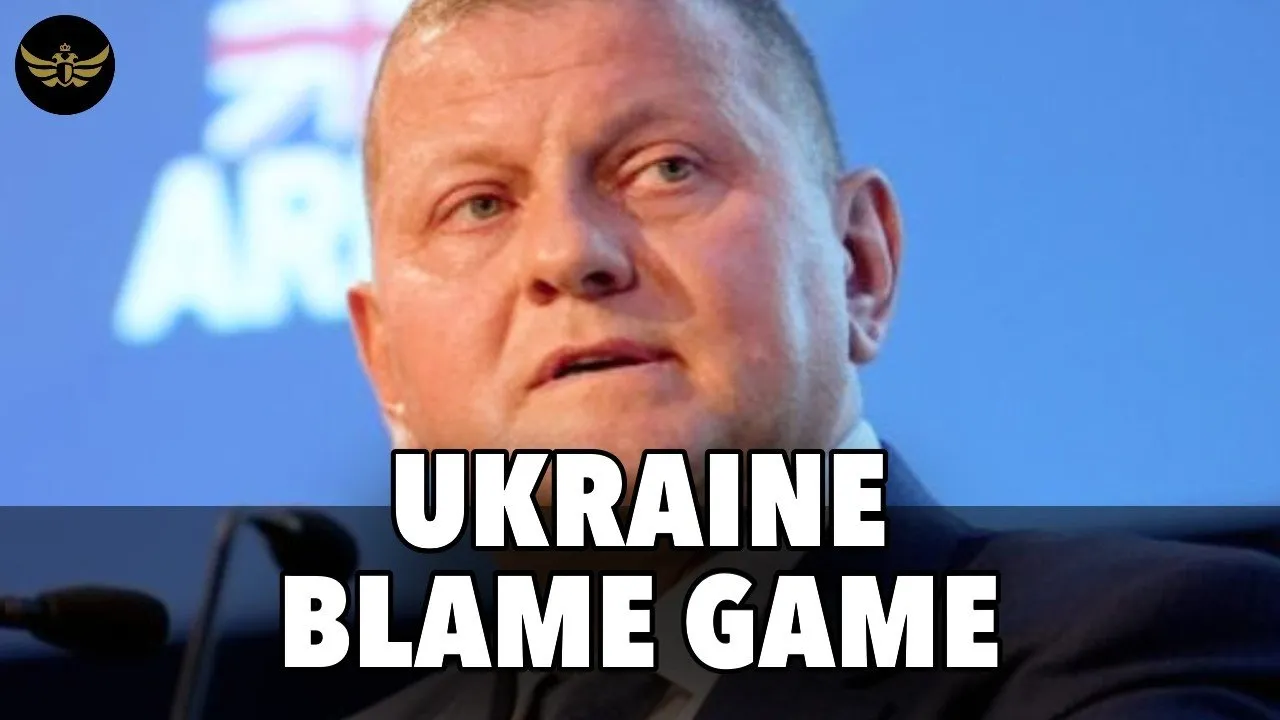
Notably, the report places General Valerii Zaluzhny at the center of the operation, alleging that he masterminded the plot without the knowledge of President Zelensky. This narrative serves multiple purposes: it offers a degree of plausible deniability to the current administration in Kyiv while simultaneously implicating the Americans in the broader context of the planning. However, many analysts remain skeptical, questioning whether a high-ranking military official would act so directly against the expressed wishes of his primary intelligence patrons.
Tensions in German-American Relations
The emergence of this story in a mainstream German outlet may signal growing friction between Berlin and Washington. As the German economy continues to suffer from high energy costs and industrial stagnation, the "six people on a boat" theory is increasingly viewed with derision. By linking the CIA and Zaluzhny to the act, German media may be laying the groundwork for a more critical assessment of the costs associated with the transatlantic alliance’s approach to the conflict.
The Zaluzhny-Zelensky Power Struggle
The friction between the military and civilian leadership in Ukraine is no longer a matter of whispered rumors. A recent interview in the London Times has shed light on a major power struggle that occurred in early 2024. Zaluzhny’s revelations suggest a level of domestic instability that could threaten the cohesion of the Ukrainian state if the military situation continues to deteriorate.
Allegations of Internal Sabotage
During the height of these tensions, Zaluzhny reportedly claimed that the SBU (Security Service of Ukraine) raided his military headquarters. In response, the General allegedly threatened to bring frontline troops back to Kyiv to protect his staff. While these accounts may be colored by political ambition, they point to a fractured command structure. The fact that these stories are now being publicized in the British press suggests that Western backers may be hedging their bets, looking for potential alternatives to the current leadership in Kyiv.
It looked as if there was going to be an outright military clash between Zaluzhny and Zelensky.
The Road Ahead for Project Ukraine
The combination of a stalled diplomatic process, a shifting narrative on international sabotage, and internal political infighting suggests that "Project Ukraine" is entering a volatile new phase. Russia’s refusal to budge from its hardline positions indicates that they believe time is on their side, both militarily and economically. Meanwhile, the West remains committed to a policy of attrition that lacks a clear exit strategy.
As the Nord Stream investigations continue to leak more uncomfortable truths and the rivalry between Zelensky and his military leaders persists, the facade of total unity is beginning to crack. Whether through a "palace coup" in Kyiv or a slow collapse on the frontlines, the current trajectory is unsustainable. The "policy by affirmation" practiced in Brussels and Washington will eventually have to confront the cold reality of a conflict that cannot be won through rhetoric alone.

![Is it Really Worth Holding Altcoins in 2026? [The Truth]](/content/images/size/w1304/format/webp/2026/02/is-holding-altcoins-in-2026-worth-it.jpg)