Table of Contents
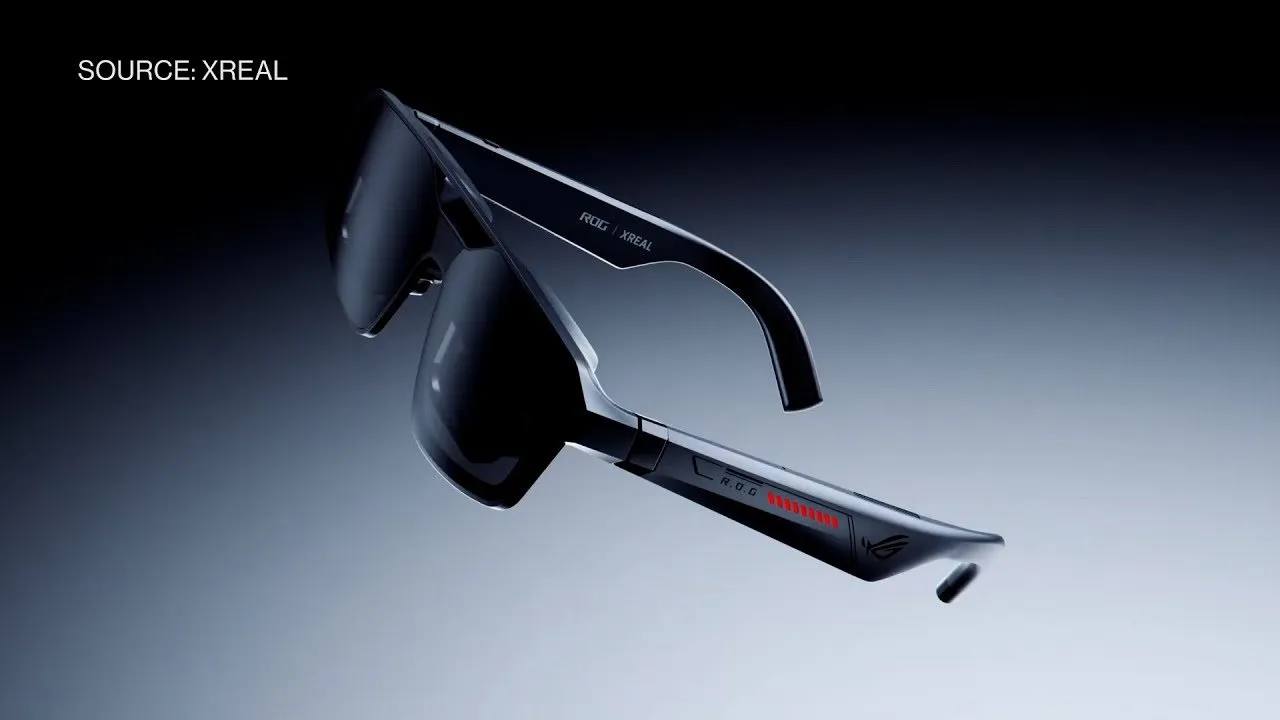
Xreal has confirmed a fresh capital injection of approximately $100 million and a strategic multi-year extension of its partnership with Google, signaling an aggressive push to dominate the consumer augmented reality (AR) market. The announcement positions the hardware manufacturer to compete directly against tech giants like Meta and Apple by leveraging proprietary silicon and a deepened integration with the Android ecosystem to drive down costs while enhancing device capability.
Key Points
- Significant Funding: Xreal confirmed a raise of roughly $100 million, backed primarily by supply chain partners and key vendors.
- Google Alliance: The company announced a multi-year partnership extension, positioning itself as a lead hardware partner for the Android XR ecosystem.
- Form Factor Strategy: The CEO argues that glasses, rather than smart headphones or heavy headsets, remain the "ultimate form factor" for AI integration.
- Proprietary Tech: New silicon enables real-time 2D-to-3D conversion, aiming to deliver 80% of the Apple Vision Pro experience at a fraction of the cost.
Strategic Financing and Market Position
In a move to make AR glasses more accessible to the mass market, Xreal’s CEO confirmed the company is closing a financing round valued at approximately $100 million. While declining to disclose specific valuation figures, the executive noted that the capital comes largely from strategic supply chain partners rather than traditional venture capital.
The primary objective of this capital is cost optimization. By streamlining the supply chain and improving yield rates, Xreal intends to lower the consumer price point—a critical barrier to entry in the wearables sector. The company views this financial backing as essential fuel for what the CEO describes as a "heated" race to replace the mobile phone.
"I think at some point they can truly replace the cell phone we are using today... Glasses can really be the next competing platform paired with AI."
Deepening Ties with Google
Beyond financing, Xreal revealed a significant deepening of its relationship with Google. The company has entered a multi-year extension of their partnership, establishing Xreal as a lead hardware partner for Google’s Android XR platform.
The executive drew a parallel between this collaboration and the early days of the smartphone industry, specifically citing Google’s relationship with HTC to define the Android ecosystem. Under this arrangement, Xreal will focus on its core competencies—optical modules and chip manufacturing—while leveraging Google’s operating system capabilities.
"We're really good at building optical modules, building chips... and Google, they're really good at building operating systems. So I think this is a win-win situation for us to team up together to polish the end-to-end hardware and software ecosystem experiences."
The Form Factor War
The announcement comes amidst a broader industry debate regarding the ideal wearable form factor. While competitors like Meta have seen success with smart glasses focused on audio (Ray-Ban Meta), Xreal remains committed to visual displays. The CEO dismissed the idea that audio-first wearables are the endgame, arguing that visual input is necessary for true AI assistance.
According to the executive, the convergence of screens moving from laptops to phones, and eventually to the eyes, is inevitable. He posited that an AI assistant capable of "seeing what you see" offers a competitive advantage that audio-only devices cannot match.
Addressing the high-end market defined by the Apple Vision Pro, Xreal’s strategy is one of value and ergonomics. Rather than competing on raw specifications at a $3,500 price point, the company aims to deliver "80% of that experience" in a lighter, more affordable package. This includes the introduction of new proprietary chips capable of real-time 2D-to-3D content conversion, allowing standard media from phones or laptops to be viewed immersively.
As the company looks toward a global release strategy, likely involving diversified manufacturing outside of China, the focus remains on consumer education. Despite the technological leaps, the CEO acknowledged that moving the public from traditional screens to smart eyewear remains a long-term adoption process.