Table of Contents
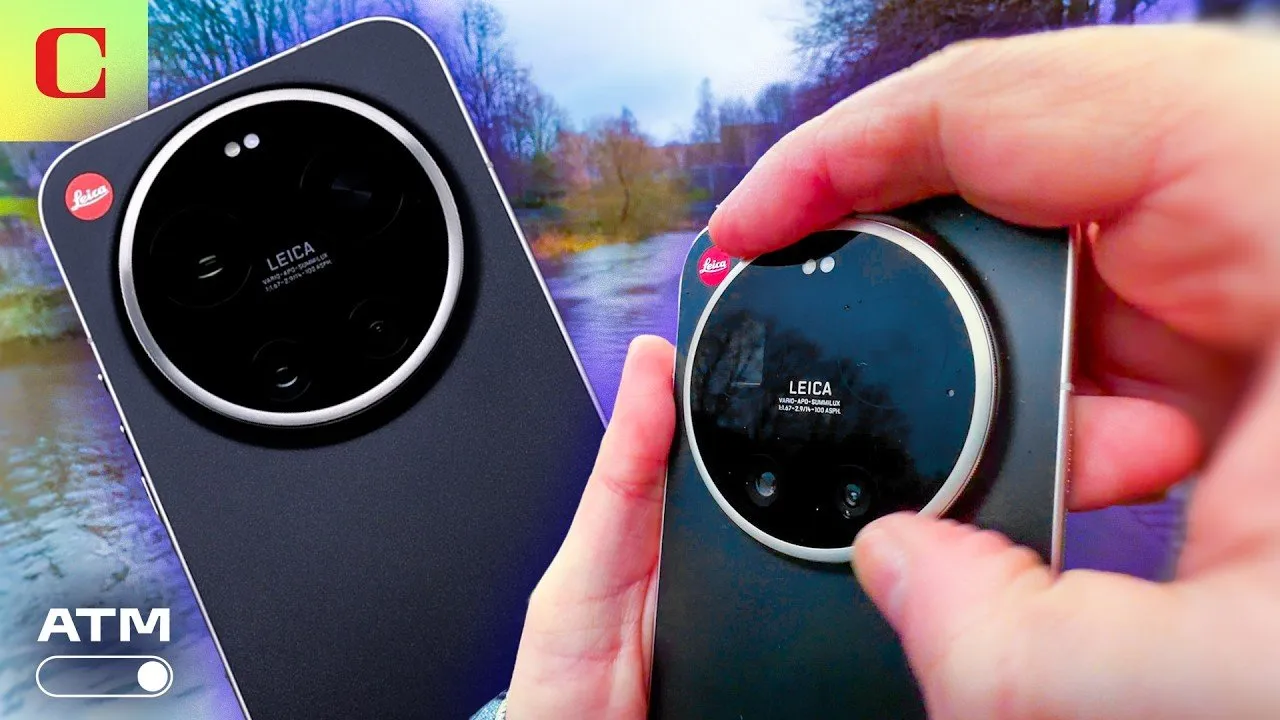
Xiaomi has officially launched the 17 Ultra Leica Lights edition, a premium flagship smartphone developed in close collaboration with the legendary German optics manufacturer Leica. Retailing at £1,700 (approximately $2,300), the device prioritizes professional-grade photography through specialized hardware and software integration, positioning itself as a "camera-first" mobile tool. The release targets a high-end "prosumer" market, bridging the gap between traditional mobile devices and dedicated photography equipment.
Key Points
- Premium Market Positioning: The £1,700 price point places the device in the luxury tech segment, aimed specifically at photography enthusiasts.
- Tactile Hardware: The smartphone features a unique, functional control wheel on the lens housing and physical moving elements in its telephoto lens.
- Advanced Sensor Technology: The inclusion of a new "Loafic" image sensor provides enhanced dynamic range compared to standard mobile sensors.
- Leica Color Science: The device integrates authentic Leica color profiles, including Leica Chrome and Monopan 50 film simulation.
- Flagship Internals: Beyond optics, the phone utilizes the Snapdragon 8 Elite Gen 5 processor and Android 16.
Hardware Innovation and Optical Engineering
The Xiaomi 17 Ultra distinguishes itself through hardware that mimics the ergonomics of traditional cameras. The most notable physical addition is the tactile function wheel located on the front of the device, which allows users to manually adjust exposure compensation or zoom. Unlike most modern smartphones that rely on digital cropping, the 17 Ultra’s telephoto system utilizes physical moving elements to achieve a continuous zoom between 75mm and 100mm focal lengths.
Central to its imaging capability is the "Loafic" image sensor, a new piece of technology designed to maximize dynamic range within a single frame. This is paired with Leica Sumilux glass, ensuring that the light reaching the large sensor maintains high fidelity and minimal distortion. According to a review by All Things Mobile, the device emphasizes a "natural" aesthetic, often lacking in the hyper-processed images produced by mainstream competitors.
"I have taken thousands of photos with it so far in my testing time, and I'm honestly stunned by the quality that I've been able to achieve... it’s ostensibly more camera than it is phone." — Representative from All Things Mobile
Software Integration and User Experience
The partnership with Leica extends deep into the device’s software architecture. The 17 Ultra includes exact color profiles found in Leica’s standalone professional cameras, such as the Leica Q3. These profiles, specifically Leica Chrome, are designed to preserve deep, natural shadows rather than artificially brightening them—a common complaint regarding the image processing of Xiaomi’s primary rivals.
For street photographers, the device offers a high-contrast black and white mode and a simulation of the Monopan 50 film stock. While the device includes a 200-megapixel high-resolution mode, technical analysis suggests that the standard shooting modes provide better detail retention, as the extreme pixel count can occasionally lead to digital artifacts and "watercolor" textures during heavy processing. Despite these minor software hurdles, the integration of Pro Mode allows experienced users to treat the smartphone like a manual rangefinder.
Market Context and Flagship Performance
While the photography suite is the primary draw, Xiaomi has not compromised on standard flagship specifications. The 17 Ultra is powered by the Snapdragon 8 Elite Gen 5 chipset, providing enough computing power for high-intensity gaming and multitasking. The 6.9-inch OLED display offers high peak brightness, while the IP68 water resistance rating ensures durability for outdoor photography sessions.
The device runs on Android 16 and incorporates Google’s latest AI services, including Gemini Live and Circle to Search. Xiaomi also offers a standard 17 Ultra model for consumers who desire the internal power without the specialized Leica branding and physical camera controls, likely at a more competitive price point.
As Xiaomi continues to refine its partnership with Leica, the 17 Ultra serves as a bellwether for the future of mobile imaging. The industry will closely watch whether consumers are willing to pay a significant premium for specialized optical hardware in an increasingly software-driven market. Moving forward, the focus for Xiaomi will likely be the refinement of its 200MP processing algorithms to match the high standards set by its physical lens engineering.