Table of Contents
Xiaomi has aggressively redefined the boundary between flagship smartphones and dedicated imaging equipment with the launch of the Xiaomi 17 Ultra Leica Edition. Positioning the device as a camera first and a phone second, the tech giant’s 2026 flagship introduces a physical mechanical control ring, a massive 1-inch main sensor, and a comprehensive ecosystem of accessories designed to emulate the experience of a standalone Leica camera.
Key Takeaways
- Camera-Centric Hardware: Features a triple-array setup including a 1-inch 50MP main sensor and a 200MP telephoto lens with true variable optical zoom.
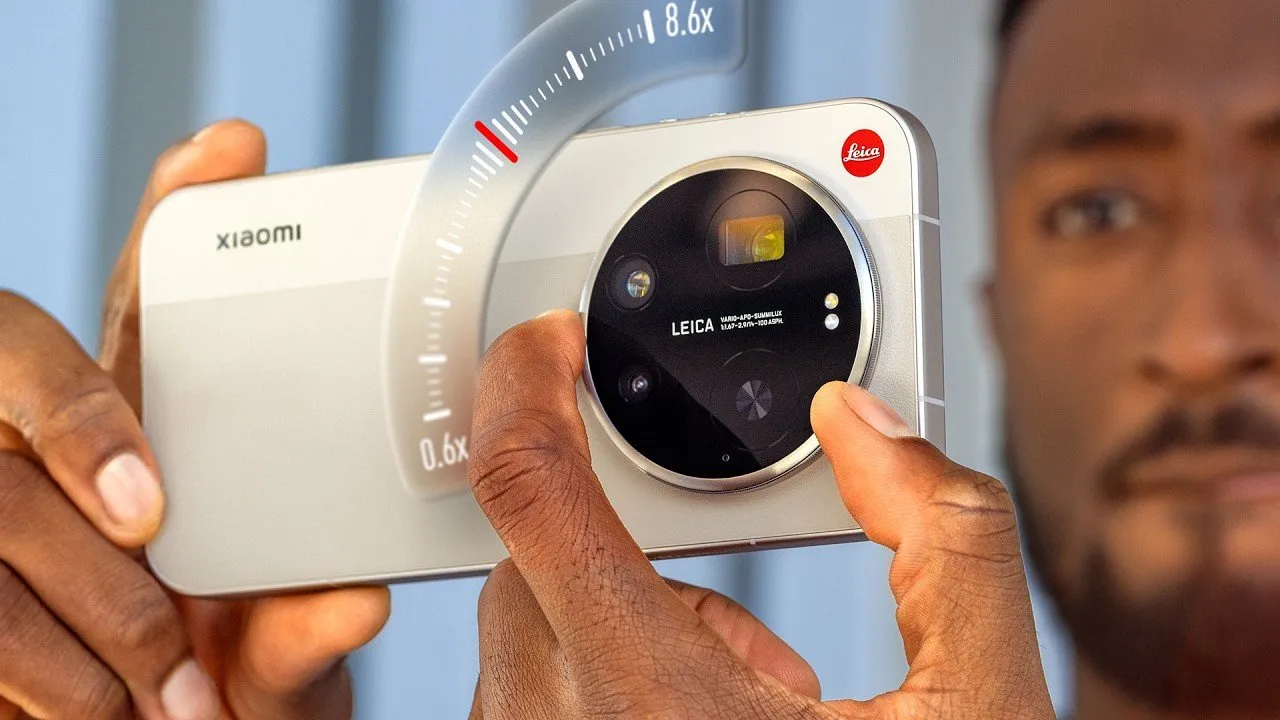
- Mechanical Innovation: A rotating, haptic-feedback ring around the camera module controls zoom, exposure, and manual focus, simulating professional lens mechanics.
- Top-Tier Specifications: Powered by the Snapdragon 8 Elite Gen 5 with a 6,800 mAh silicon carbon battery and IP69 durability rating.
- Leica Integration: Deep software and hardware collaboration includes exclusive color profiles, distinct housing design, and a dedicated accessories kit.
A Shift in Design Philosophy
While competitors like Apple’s iPhone 17 Pro Max continue to refine the traditional smartphone form factor, Xiaomi has taken a divergent path with the 17 Ultra. The device abandons standard mobile aesthetics for a design language that mirrors high-end German camera equipment. The back panel features a two-tone finish with a leather-like texture on the bottom two-thirds for grip, contrasting with a smooth upper section.
The unboxing experience reinforces this pivot. Xiaomi includes a custom case with MagSafe compatibility, a camera-style wrist strap, and an aluminum lens cap. According to early hands-on reports, the accessory package alone represents significant value, signaling to consumers that this device is intended for serious photography workflows.
"Everything about this just kind of screams I'm really trying to buy a camera and then the rest of the smartphone is kind of secondary to that."
Optical Engineering and Sensor Technology
The core of the Xiaomi 17 Ultra is its triple-camera array, which leverages high-megapixel sensors across all focal lengths. The primary shooter utilizes a massive 1-inch 50MP sensor with an f/1.67 aperture, designed to provide shallow depth of field and high dynamic range without excessive computational processing.
Complementing the main sensor is a 14mm ultrawide lens (50MP, f/2.2) and a groundbreaking telephoto system. The zoom lens utilizes a 200MP sensor paired with variable optical mechanics, allowing the lens to move physically between 75mm and 100mm equivalents (f/2.39 to f/2.96). This allows for continuous optical zoom within that range, rather than digital cropping, offering higher fidelity for portrait and telephoto photography.
The device also introduces significant video capabilities, supporting 8K recording and a high-speed 1080p mode capable of capturing 1,920 frames per second.
The Mechanical Ring and User Experience
The most distinct feature of the 17 Ultra is the physical metal ring surrounding the camera housing. Unlike the capacitive "Camera Control" buttons seen on competitor devices, this is a moving mechanical part with haptic feedback that simulates the click of a notched lens ring.
This control surface is deeply integrated into the operating system. By default, it manages zoom in photo mode and exposure value in video mode. However, Xiaomi allows users to map the ring to various professional functions, including:
- Manual focus
- Shutter speed adjustment
- White balance (Kelvin) control
- Quick-launching the camera app
Despite the innovation, the implementation has faced some critique regarding ergonomics. Early tests suggest that while the ring offers superior granular control compared to touchscreens, its placement can lead to accidental inputs or fingers obscuring the lens, particularly when using the ultrawide sensor.
"I would still crown it the best overall, most fun smartphone camera shooting experience that I've ever had... It's a much more thoughtful execution than I was expecting."
Flagship Performance Specs
Underneath the specialized camera hardware, the 17 Ultra retains the specifications of a top-tier 2026 smartphone. It runs on the Snapdragon 8 Elite Gen 5 chipset, paired with LPDDR5X RAM and UFS 4.1 storage. The device sports a 6.9-inch flat display with a 120Hz refresh rate and a peak brightness of 3,500 nits.
Power management is handled by a high-density 6,800 mAh silicon carbon battery, supporting 90W fast wired charging and 50W wireless charging. Notably, Xiaomi achieved an IP69 dust and water resistance rating, a significant engineering feat given the moving mechanical parts on the camera module.
Software and Market Implications
The device runs on Hyper OS 3 atop Android 16. The partnership with Leica extends deep into the image processing pipeline, offering "Leica Authentic" and "Leica Vibrant" profiles, alongside specific emulations like the "Leica M9" (daylight locked, high contrast) and "Leica M3" (monochrome film simulation).
While the Xiaomi 17 Ultra may not aim for the clinical, neutral color science preferred by some purists, it targets a growing demographic of creators who value character and the "shooting experience" over pure technical perfection. By offering physical controls and unique color science, Xiaomi is attempting to carve out a niche that sits comfortably between the computational photography of the iPhone and the manual control of professional mirrorless cameras.
As the smartphone market saturates, manufacturers are increasingly relying on specialized hardware to drive upgrades. The 17 Ultra’s focus on mechanical interaction and sensor size sets a new benchmark for what consumers can expect from mobile imaging hardware in the coming years.