Table of Contents
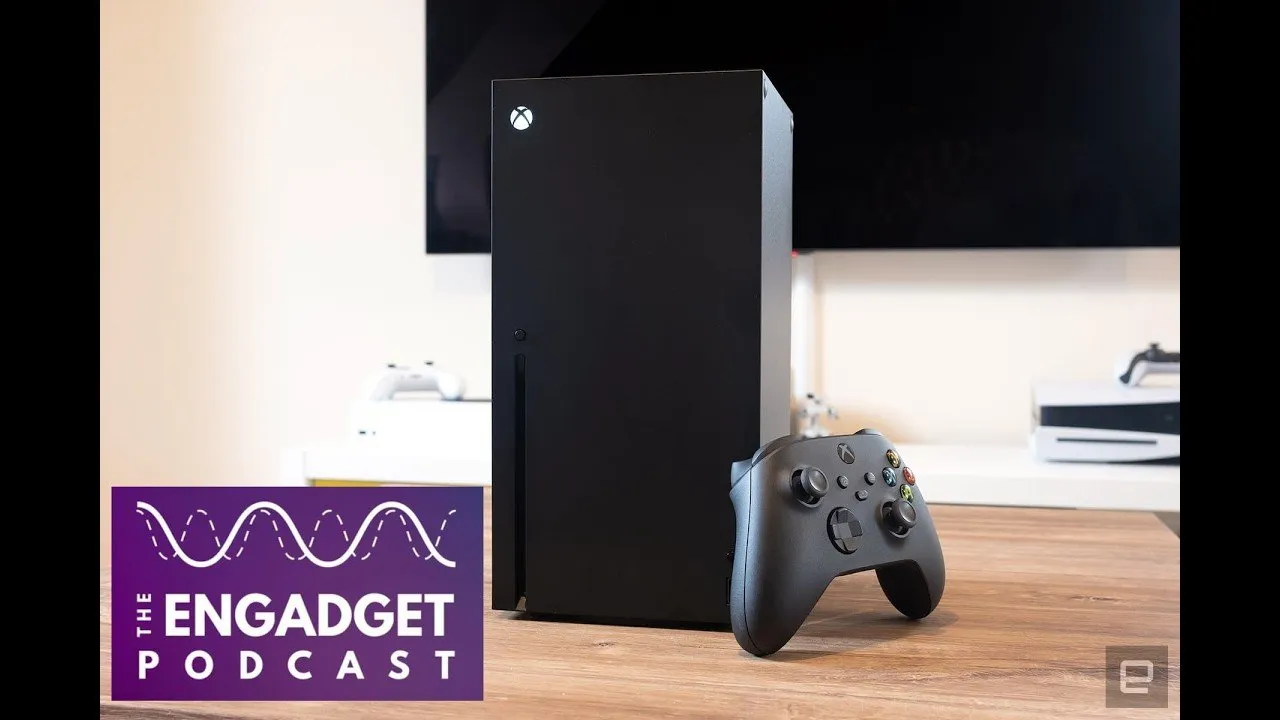
Microsoft and Samsung have signaled a major shift in the consumer technology landscape, with the Xbox ecosystem undergoing a fundamental strategic pivot and the Samsung Galaxy S26 series making its official debut. As Microsoft moves further away from traditional console exclusivity, Samsung is doubling down on high-performance hardware and integrated artificial intelligence to maintain its lead in the premium smartphone market. These developments, discussed in a recent report from Engadget, reflect a broader industry trend toward hardware versatility and ecosystem-wide service availability.
Key Points
- Microsoft is reportedly accelerating its "Project Latitude" initiative, aiming to bring more first-party Xbox titles to competing platforms like the PlayStation 5 and Nintendo Switch.
- The Samsung Galaxy S26 series introduces the Snapdragon 8 Gen 5 chipset (in select regions) and an ultra-thin design language aimed at reclaiming the "thinnest flagship" title.
- Rumors of a dedicated Xbox handheld device have intensified, suggesting Microsoft may shift its hardware focus toward portable gaming to compete with the Steam Deck.
- Samsung has integrated deeper Galaxy AI features into the S26, focusing on real-time video translation and generative photo editing directly on the device.
The Evolution of Xbox: Beyond the Console
The "big shakeup" at Xbox centers on the realization that hardware sales alone can no longer sustain the massive budgets required for AAA game development. Following the acquisition of Activision Blizzard, Microsoft is under increased pressure to maximize returns on its intellectual property. This has led to a strategy where the Xbox Game Pass remains the central value proposition, but the games themselves—including major franchises—are increasingly likely to appear on rival hardware.
Industry analysts suggest that this strategy effectively turns Xbox into one of the world’s largest third-party publishers while maintaining a "reference" hardware line for its most dedicated fans. This shift is accompanied by persistent reports that Microsoft is developing a handheld gaming PC. By targeting the burgeoning handheld market, Xbox could capture a segment of players who prefer the flexibility of mobile play over traditional living room setups.
"The goal is to be where the players are. We want to ensure that our communities can stay together regardless of the device they choose to play on, while still offering the best premium experience on Xbox hardware," stated Phil Spencer, CEO of Microsoft Gaming, in a recent strategic briefing.
Samsung’s Galaxy S26: Hardware Refinement Meets AI
While Microsoft focuses on software distribution, Samsung is reinforcing its hardware dominance with the launch of the Galaxy S26. The new lineup emphasizes a "Slim" aesthetic without compromising on battery life or thermal management. The Galaxy S26 Ultra remains the flagship's crown jewel, featuring a 200-megapixel main sensor and a new anti-reflective display coating that improves outdoor visibility by 40% compared to the previous generation.
Key Hardware Specifications
- Display: 6.2-inch to 6.8-inch Dynamic AMOLED 2X with 144Hz variable refresh rates.
- Processor: Integration of the Qualcomm Snapdragon 8 Gen 5, offering a 25% boost in neural processing power.
- Battery: High-density silicon-carbon batteries that allow for thinner chassis while maintaining 5,000mAh capacities in the Ultra model.
The software experience on the S26 is defined by One UI 7, which leans heavily into Galaxy AI. Samsung has moved more of its AI processing on-device to ensure user privacy and reduce latency for features like Live Translate and Note Assist. This move positions Samsung as a direct competitor to Apple’s "Apple Intelligence," focusing on practical utility rather than just novelty features.
Market Implications and Future Outlook
The simultaneous shifts from these two giants highlight a maturing tech market where brand loyalty is increasingly driven by ecosystem utility. For Microsoft, the move toward a platform-agnostic future may alienate some long-term console fans but promises a more sustainable financial path in an era of $300 million game budgets. For Samsung, the S26 represents a defensive and offensive play to prevent Apple from gaining further ground in the high-end segment, particularly in markets like North America and Europe.
Moving forward, the success of these strategies will depend on consumer adoption of Xbox services on non-Microsoft hardware and whether Samsung's AI features provide enough "stickiness" to prevent users from switching brands. Expect more announcements regarding Xbox's mobile store and Samsung's expanded AI partnerships during the next fiscal quarter as both companies seek to solidify their dominance in their respective sectors.