Table of Contents
Iran is currently witnessing a historic upheaval that has captured the attention of the world. In what observers are calling a "final battle," millions of citizens across more than a hundred cities have taken to the streets. The imagery emerging from the country is potent: regime statues being toppled, flags torn down, and a unified chant of "death to the dictator." However, the regime’s response has been swift and brutal, characterized by internet blackouts and the authorization of lethal force against unarmed protesters.
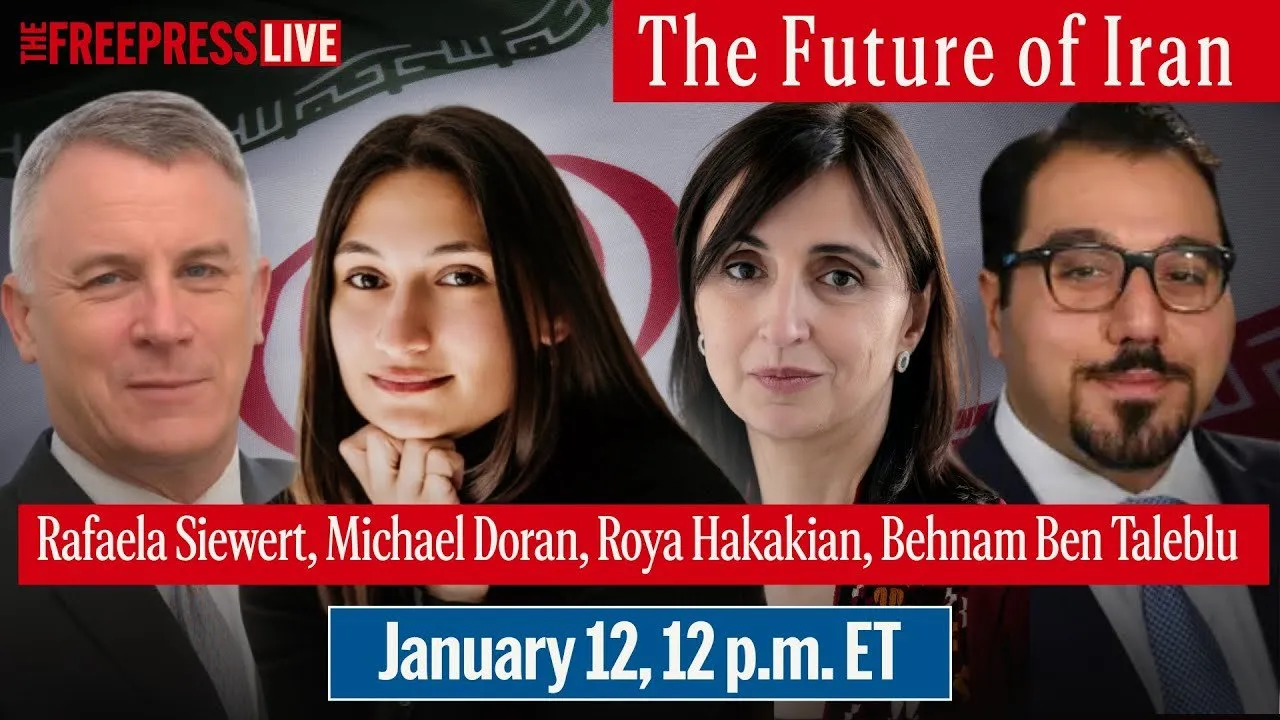
To understand the trajectory of this uprising, The Free Press convened a panel of leading Iran experts: Michael Doran of the Hudson Institute, Iranian journalist and author Roya Hakian, and Behnam Ben Taleblu from the Foundation for Defense of Democracies. Their analysis paints a picture of a nation where the social contract has irrevocably shattered, leaving the populace and the state in an existential standoff.
Key Takeaways
- The "Silent Majority" has broken: Since late 2017, the Iranian street has moved past demands for reform, seeking wholesale regime change.
- A historic shift in the Bazaar: Traditional merchant classes (Bazaaris), historically the backbone of the 1979 revolution, have turned against the current regime, signaling a critical loss of core support.
- The security myth is shattered: The regime’s argument that it alone protects Iran from "Syria-style" chaos has been disproven by recent geopolitical failures and the economic collapse.
- Brutality in the darkness: The regime is utilizing internet blackouts to commit mass violence without witnesses, with experts fearing a repeat of the 1988 prison massacres.
- US Policy pivot: Experts argue for "smart" intervention—surging internet access (Starlink) and cyber support—rather than premature negotiations which could demoralize the street.
From Economic Grievance to Regime Change
While the spark for the current unrest was economic—specifically the devaluation of the rial and the collapse of purchasing power—the slogans on the street tell a different story. The protests have rapidly morphed from complaints about the cost of living into a fundamental rejection of the Islamic Republic.
Behnam Ben Taleblu notes that this transition has been in motion since December 2017. For decades, the regime relied on an evolving social contract where citizens pushed for incremental reform. That era is over. The "great silent majority" has realized that neither reformist nor hardline factions offer a solution.
"Once you break that third rail, there’s no going back. What we're seeing is the vignettes of Iran's national uprising be stitched together and reach this very strong nationalist crescendo."
The Bazaaris Join the Fray
A pivotal development in this wave of protests is the participation of the "Bazaaris"—the traditional shopkeepers and merchant class. Roya Hakian emphasizes that this demographic provided the financial backbone for Ayatollah Khomeini in 1979. For decades, they remained on the sidelines of protests, observing but not participating.
Their shift from the margins to the mainstream represents a profound fracture within the regime's traditional power base. When the very constituency that helped birth the Islamic Republic strikes against it, it signals that the dissatisfaction has permeated every socioeconomic strata of Iranian society.
The Regime’s Response: "Die in the Darkness"
The Iranian government has responded to the uprising with a calculated strategy of silence and violence. As of early January, the regime cut internet and electricity across vast swathes of the country. This blackout serves a dual purpose: it disrupts protester communication and hides state-sanctioned atrocities from the international community.
Experts warn that the death tolls reporting 2,000 casualties are likely conservative estimates. The blackout tactic allows security forces to "power wash the blood off the streets" before the world can see the aftermath.
Echoes of 1988
Roya Hakian draws a chilling parallel between the current crackdown and the 1988 massacre of political prisoners. Following the Iran-Iraq war, a weakened regime executed thousands of prisoners to consolidate power. Hakian fears a similar scenario is unfolding now, where the regime, humiliated by recent geopolitical failures, seeks to purge any potential dissenters.
"The number of the dead is far greater than anybody knows... people are talking about 8,000 to 10,000. I believe it because there was another moment in Iranian history... where the regime was feeling incredibly weakened... and thousands of prisoners were killed in a matter of weeks."
Michael Doran adds that the regime is unlikely to fracture easily. Unlike in fragile democracies, authoritarian regimes like Iran’s or Assad’s in Syria often disregard public opinion entirely, willing to kill indiscriminately to maintain power unless the security forces themselves fracture.
The Collapse of the Security Narrative
For years, the Islamic Republic maintained a narrative that, despite economic hardships, it was the only force capable of keeping Iran safe from foreign invasion and civil war. They pointed to Afghanistan and Iraq as warnings of what life without them would look like.
This narrative has collapsed. The "12-Day War" and recent conflicts involving Israel have exposed the hollowness of the regime's military might. The realization that the regime’s vast military expenditure goes toward protecting itself from the people—rather than protecting the people from foreign threats—has been a psychological turning point.
Furthermore, the economic mismanagement is total. Michael Doran explains that due to sanctions and corruption, the government has lost control of the financial system. It operates a shadow banking network to sell oil to China, but the proceeds are kept abroad or siphoned off, leaving the domestic economy in ruins. The government has no levers left to pull; they cannot offer economic concessions because the coffers are empty.
The Debate on US Intervention
With the regime backed into a corner, the question shifts to the role of the United States. President Trump has rhetorically supported the protesters, stating the US is "locked and loaded" to help. However, the experts warn against traditional diplomatic pitfalls.
Do No Harm
A primary concern is that the US might fall for the regime's "negotiation trap." Historically, when under domestic pressure, Tehran offers nuclear talks to gain sanctions relief. Michael Doran argues that entering negotiations now would be disastrous, demoralizing the protesters and throwing the regime a financial lifeline.
Strategic Support vs. Direct War
There is a consensus that support should be strategic rather than a blunt military instrument. Ben Taleblu advocates for surging "non-kinetic" support:
- Satellite Internet: Massively scaling up Starlink and direct-to-cell capabilities to break the information blockade.
- Cyber Warfare: Disrupting the command and control structures of the IRGC and Basij forces to disorganize the repression.
- Information Operations: Publicly "naming and shaming" the specific commanders ordering the shootings, exposing their identities to their local communities.
The goal, experts argue, is not to engage in a full-scale invasion, but to tilt the balance of power on the streets in favor of the people, making the cost of repression unsustainable for the security forces.
Conclusion: A Fight for the Future
The situation in Iran remains fluid and dangerous. While the regime retains the capacity for extreme violence, the psychological barrier of fear appears to have been breached. The "Kleenex policy"—where the Supreme Leader uses and discards presidents to deflect blame—is no longer working. The anger is now directed squarely at the top.
Whether this uprising evolves into a revolution depends heavily on the cohesion of the security forces and the international community's willingness to deny the regime legitimacy and resources. As Hakian notes, this is not merely a charitable project for the West; a change in Tehran would remove the primary antagonist to peace in the Middle East, reshaping global security for decades to come.