
Table of Contents
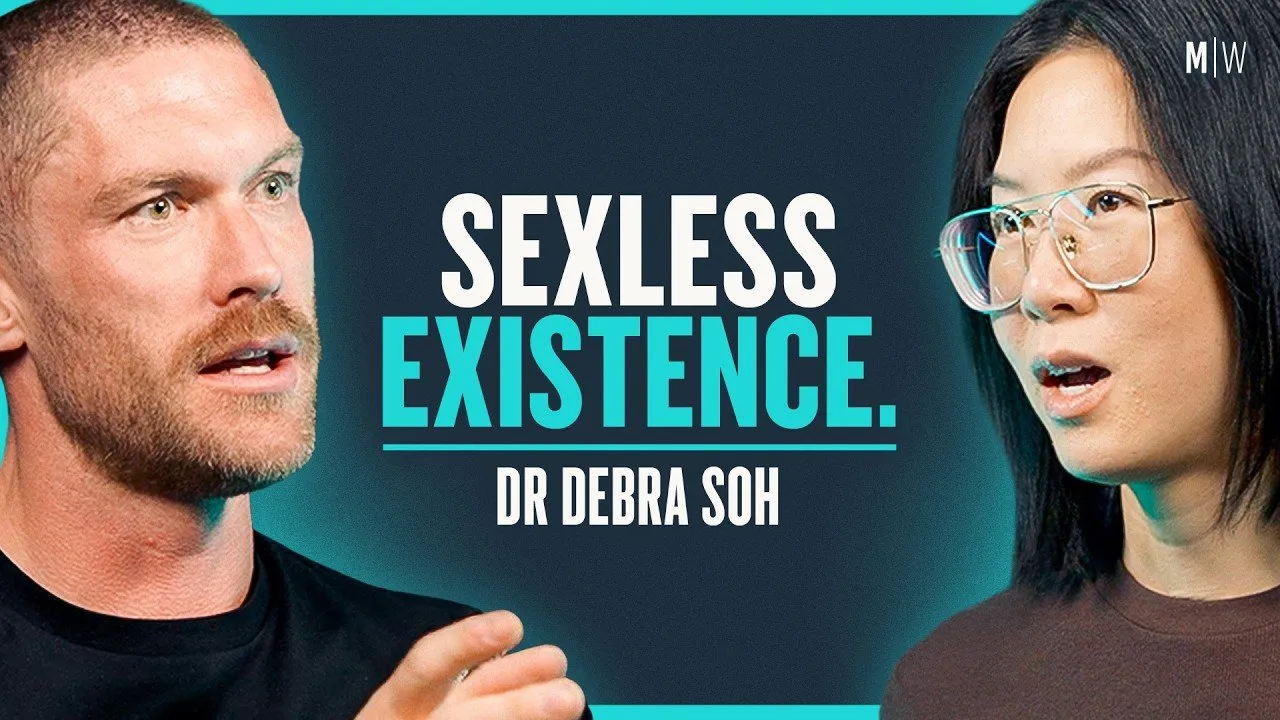
In recent years, a growing body of data has highlighted a startling trend: people across all age groups, particularly Gen Z and millennials, are having less sex than previous generations. What was once dismissed as a minor fluctuation is now being documented as a long-term "sex recession." This shift is not merely about individual preferences; it is a profound transformation of how we relate to one another, form communities, and view our biological imperatives.
Key Takeaways
- Broad Declines: Sexual activity is declining across all demographics, including married couples, singles, and across various global cultures.
- The Role of Technology: Smartphones, social media, and on-demand pornography are serving as sedatives, distracting individuals from the challenges of real-life intimacy and mate-seeking.
- Biological Factors: Endocrine disruptors and the widespread use of hormonal birth control are potentially altering mating psychology and hormonal profiles in ways we are only beginning to understand.
- Socioeconomic Imbalances: A rise in female educational and financial success has created a "tall girl problem," where a mismatch in socioeconomic status narrows the pool of "eligible" partners for high-performing women.
- The Cost of Avoidance: Prioritizing short-term convenience—like sleep or digital stimulation—over the potential for rejection or relationship friction is contributing to a wider crisis of connection.
The Anatomy of the Sex Recession
The sex recession is not a localized phenomenon. Data consistently shows that one in three men and one in five women have not engaged in sexual activity in the past 12 months. This is not simply a redistribution of the "sexual pie" from human-to-human contact to human-to-machine interactions; the total volume of sexual activity as an aggregate is shrinking. Young people are opting out of the complexities of dating, often citing a preference for sleep, social media, or solo digital outlets over the risk of romantic rejection.
Is Pornography a Substitute or a Sedative?
Critics of the "porn addiction" label often point out that it may be a misnomer. Instead of an addiction, pornography appears to function as a sedative for anxiety and a coping mechanism for procrastination. When individuals face the pressure of dating, the ease of digital gratification allows them to bypass the emotional labor required for real-life intimacy. This habituation can lead to a sense of lethargy, where the drive to seek out partners is effectively neutralized by the accessibility of high-intensity digital imagery.
The Impact of Socioeconomic Shifts
Modern dating is heavily influenced by the concept of hypergamy—the tendency for individuals to seek partners of equal or higher socioeconomic status. As women have increasingly outperformed men in education and career advancement, the pool of men perceived as "suitable" has diminished. This has created an environment where a small cohort of ultra-high-performing men have an abundance of options, while a larger group of men feel essentially invisible to the women they might otherwise date.
"The very dearth of eligible men is caused by the fact that they’re not being given this kind of access."
This dynamic is exacerbated by diversity and inclusion initiatives that many argue inadvertently penalize young men, further discouraging them from pursuing traditional milestones like higher education or professional advancement. When men feel the system is stacked against them, their motivation to "level up" in ways that traditionally signaled mate value—such as career success and social stability—can crater.
Biological and Environmental Disruptors
Beyond culture and economics, there are significant biological factors at play. Hormonal birth control, for instance, has changed the landscape of human mating. By halting ovulation, the pill alters female signaling and mate preference. Men are biologically attuned to a woman’s cycle, and when that cycle is suppressed, it removes subtle cues that have historically governed attraction and mate-guarding behaviors.
The Hidden Role of Environmental Chemicals
Furthermore, researchers are increasingly looking at endocrine disruptors—chemicals in our food, water, and environment that may be negatively impacting testosterone levels. Male testosterone has been in a documented decline for over 40 years. While researchers have accounted for diet and exercise, these environmental factors remain a critical, often overlooked variable in the cooling of human sexual drive.
The Rise of Simulated Companionship
As the barrier to genuine human connection feels higher, technology is stepping in to fill the void. From hyper-realistic sex dolls to AI companions, individuals are finding ways to simulate intimacy without the messiness of a real partner. While this may provide immediate emotional relief, it risks creating a feedback loop where individuals become more isolated, further reinforcing the decline in human-to-human interaction.
"People do fall in love with their AI chatbots... they really thought it was going to be very stilted. Some of them are still like that, but they’re advancing so quickly."
Navigating the Future of Intimacy
If we are to reverse these trends, the solution likely lies in returning to the basics of human interaction. This means prioritizing real-life meetings over apps, encouraging face-to-face social skills, and fostering an environment where both men and women feel capable of initiating connection. For individuals, this often starts with physical and mental health—reducing reliance on processed foods, improving sleep, and addressing underlying anxiety rather than medicating it with digital escapism.
Ultimately, the decline in sex is a symptom of a deeper crisis in how we connect. Whether through fostering greater compassion between the sexes or simply putting down the phone to make eye contact with a stranger, the path to reclaiming intimacy requires moving past the ease of digital surrogates. Genuine connection is inherently risky, uncomfortable, and demanding, but it remains the only true foundation for a fulfilling, long-term life.


%20-%20Dr%20Debra%20Soh)