Table of Contents
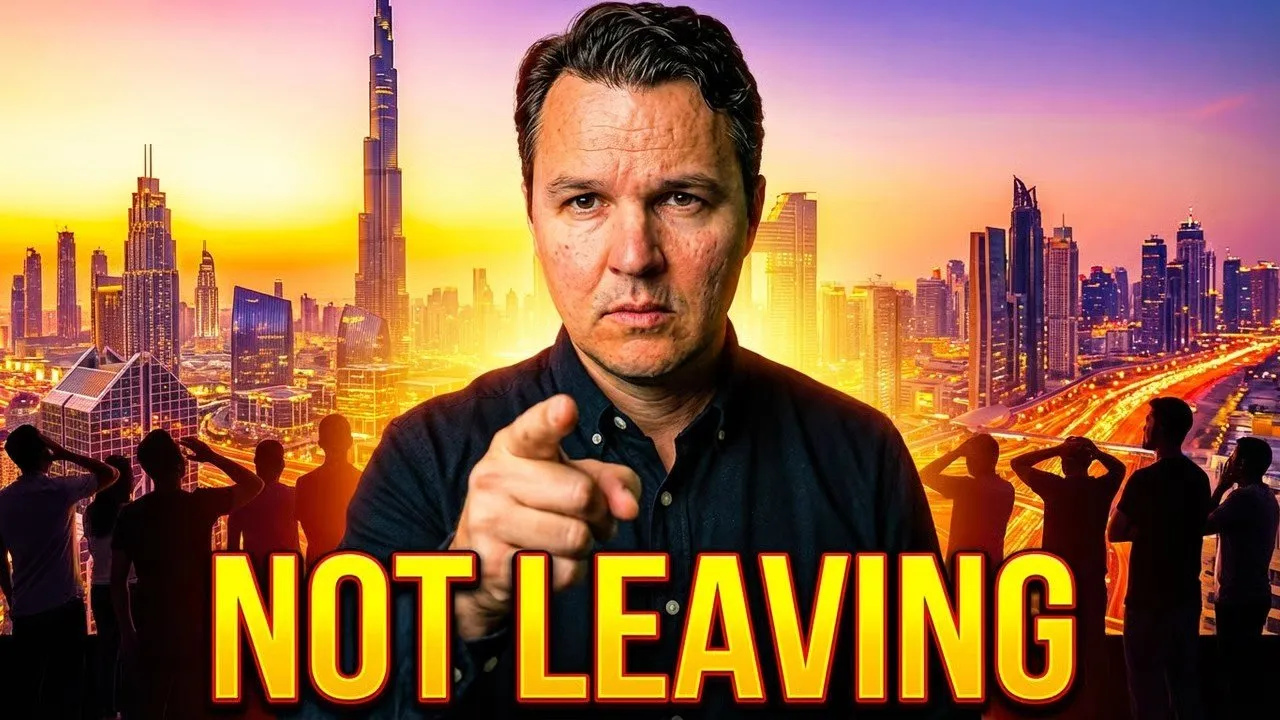
Despite escalating geopolitical tensions in the Middle East and the audible presence of missile interceptors over the city, expatriate content creator Lark—known for his focus on digital assets—has reaffirmed his commitment to living in Dubai. Nearly 18 months after relocating his family from New Zealand, the entrepreneur asserts that the city's unique economic, social, and regulatory landscape outweighs the current risks, framing his decision as a permanent lifestyle choice rather than a temporary relocation.
Key Points
- Economic Advantage: Dubai offers a zero-tax environment on income and capital gains, which the author contrasts sharply against his previous 39% tax burden in New Zealand.
- Regulatory Clarity: The UAE’s defined legal framework for cryptocurrency and DeFi protocols allows for business growth without the administrative hurdles present in many Western jurisdictions.
- Professional Ecosystem: The region attracts a high concentration of intentional, ambitious, and globally-minded professionals, creating a network effect that accelerates wealth building.
- Infrastructure and Services: The author cites high-tier healthcare, world-class schools, and extreme service efficiency as key drivers for his family-focused, long-term commitment.
- Geopolitical Resilience: While acknowledging regional volatility, the author maintains confidence in the UAE’s robust defensive infrastructure and diplomatic alliances.
The Case for Strategic Relocation
For many expatriates, the decision to move to the United Arab Emirates is driven by an "abundance mindset" that the author argues is increasingly scarce in Western nations. Moving away from the "tall poppy syndrome"—a cultural tendency to disparage those who succeed—the author notes that Dubai’s social atmosphere is built on intentionality. Because residents move to Dubai by choice rather than necessity, the resulting community consists of founders, investors, and innovators who prioritize professional growth and longevity.
The author argues that this environment is fundamentally different from his experience in New Zealand, where he described a stagnant professional landscape. In Dubai, the concentration of like-minded individuals at networking events, gyms, and conferences facilitates a rapid "leveling up" that would be geographically impossible to replicate in his home country without constant, costly international travel.
The real Dubai is one of the most family-friendly places I’ve ever seen in my life, genuinely. The schools are world-class, the healthcare system actually functions, and when we take our kids to the park, it’s bursting with other kids and families and energy.
Evaluating Risk and Regional Stability
Addressing the criticism regarding recent regional military activity, the author emphasizes that his decision to stay is based on a calculated assessment of the UAE's defensive capabilities. He points to the significant investment the nation has made in its missile defense systems and the support of international allies, such as France and Italy, as reasons for his continued confidence.
The author distinguishes between "false reassurances" and what he views as genuine confidence in the government's ability to maintain order. He suggests that the state’s proactive approach to governance—evidenced by consistent infrastructure development—provides a level of stability that he no longer perceives in his home country, where he claims public services and R&D investment have suffered.
Financial Implications and Future Outlook
Beyond the cultural and social appeal, the financial motivation remains a cornerstone of the author's argument. He contends that paying high taxes in a system that fails to provide basic infrastructure—such as efficient transportation or well-maintained public spaces—is an unsustainable trade-off. By shifting his residence to a tax-neutral jurisdiction, he is not only increasing his personal capital but gaining access to a higher standard of living and administrative reliability.
Looking ahead, the author intends to continue building his life in the region. His testimony serves as a call to action for other professionals, encouraging them to prioritize environments that align with their personal ambitions and to reject professional stagnation. He views his move to Dubai not as an exit from his roots, but as a necessary step for those seeking to maximize their potential in an increasingly complex global economy.


![Banks Just Lost! XRP Holders Need To See This [NOW]](/content/images/size/w1304/format/webp/2026/03/kraken-fedwire-access-xrp-implications.jpg)