Table of Contents
Federal Reserve policy shifts and market dynamics are positioning 2026 as a potentially strong year for profit-taking rather than new investments, according to market analysts who point to dovish monetary policy, renewed quantitative easing measures, and bullish Wall Street projections. The convergence of these factors suggests markets may experience significant upward momentum before entering a correction phase.
Key Points
- The Fed has implemented three consecutive rate cuts with more anticipated, particularly under incoming Trump administration pressure for rates at 1%
- Wall Street analysts project up to 16% gains for the S&P 500 in 2025, with some forecasting the index reaching 7,700-7,800 by 2026
- The Federal Reserve has resumed $40 billion monthly Treasury buybacks, effectively restarting balance sheet expansion
- Cryptocurrency markets show signs of bottoming out despite recent volatility, with new Solana and XRP ETFs experiencing strong inflows
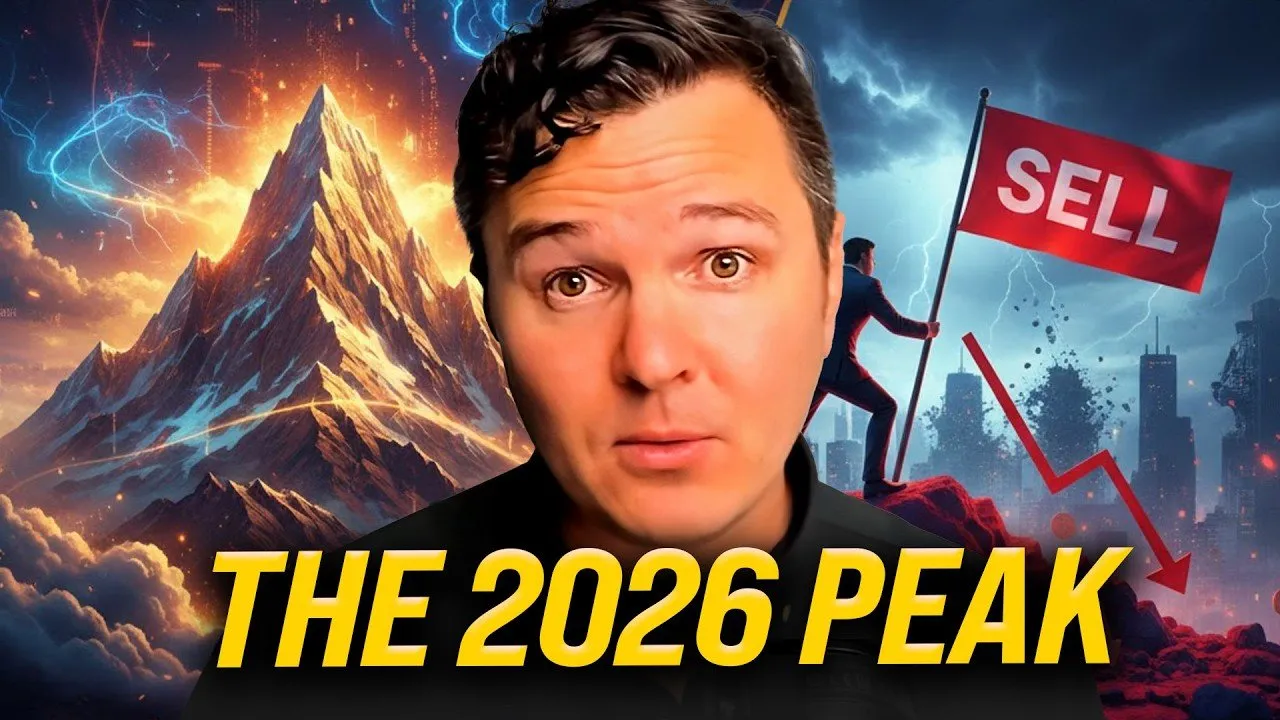
- Historical market patterns, including the Benner cycle analysis, suggest 2026 may mark an optimal selling period
Fed Policy Creates Bullish Environment
The Federal Reserve's recent dovish stance represents the primary catalyst for potential market gains ahead. Following three consecutive rate cuts, the central bank's dot plot indicates one additional cut planned for next year, though weakening employment data suggests more aggressive easing may occur.
Market dynamics could shift dramatically under new Fed leadership. Jerome Powell's departure in May opens the door for a Trump-appointed chair who may prioritize aggressive rate cuts. Leading candidates Kevin Warsh and Kevin Hassett are expected to align with the administration's goal of reducing rates to 1%, potentially compromising traditional Fed independence.
The central bank has also resumed what officials term "reserve management" - $40 billion monthly in short-term Treasury purchases. While not officially designated as quantitative easing, this balance sheet expansion functions similarly to previous stimulus programs. The New York Fed indicated these purchases will "remain elevated for a few months," providing additional liquidity to markets.
Wall Street Optimism Builds
Goldman Sachs characterizes developed market equities as entering a "late cycle setup" for next year, anticipating earnings-fueled acceleration that historically creates ideal selling conditions. The investment bank expects continued inflation easing alongside potential aggressive rate cuts under new Fed leadership.
Bullish price targets reflect growing optimism among major institutions. Tom Lee of Fundstrat projects the S&P 500 reaching 7,700 in 2026, while Morgan Stanley's Mike Wilson forecasts 7,800, representing approximately 12% gains from current levels.
Technology stocks, particularly artificial intelligence companies, have corrected significantly from previous highs, potentially reaching more reasonable valuations. Despite concerns about AI sector bubbles, the underlying technology continues demonstrating real-world applications and revenue generation, supporting current price levels through earnings growth.
Cryptocurrency Market Positioning
Bitcoin and broader cryptocurrency markets show technical indicators suggesting the current correction may be nearing completion. Short-term Bitcoin holders face selling pressure, but this typically results in supply moving to longer-term investors with higher conviction levels.
The short-term holder realized profit and loss ratio indicates structural late-stage correction characteristics, potentially signaling upcoming relief rallies. Additionally, the Russell 2000's recent breakout above resistance to new highs demonstrates increased risk appetite, historically correlating with cryptocurrency performance, particularly altcoins.
New cryptocurrency ETF launches continue attracting institutional capital despite broader market weakness. Solana and XRP ETFs maintain consistent weekly inflows, indicating sustained demand even at current price levels, while established Bitcoin and Ethereum ETFs experience mixed flows.
Historical Patterns Support Timing
Market timing analysis, including the historical Benner cycle developed in 1875, suggests 2026 may represent optimal selling conditions. This pattern, originally based on agricultural commodity cycles, has demonstrated remarkable correlation with broader financial markets over nearly 150 years, identifying recurring periods of panic, good times, and optimal selling opportunities.
The strategy emphasizes selling into market strength rather than chasing momentum, positioning investors to capitalize on anticipated gains while preparing for subsequent corrections. Trump administration plans for "tariff dividends" around mid-2026, functioning similarly to stimulus payments ahead of midterm elections, could provide additional market support during this timeframe.
Current market positioning suggests investors should prepare for potentially significant upward moves driven by monetary accommodation, followed by strategic profit-taking opportunities as conditions mature throughout 2026.
![Bitcoin Is on Sale [How to Buy It in 2026]](/content/images/size/w1304/format/webp/2026/03/how-to-buy-bitcoin-2026.jpg)