Table of Contents
A legislative battle is intensifying in the U.S. Senate over the future of stablecoin yields, as traditional banking interests push to dismantle the practice of passing interest earnings to retail investors. At the heart of the conflict is a proposed provision, known as section 404, which would effectively prohibit digital asset platforms from offering interest on stablecoins, a move critics characterize as a desperate attempt to protect the banking industry’s long-standing, low-interest deposit model.
Key Points
- Regulatory Capture: The American Bankers Association is lobbying for a total ban on stablecoin yield to prevent a massive flight of capital from traditional bank accounts.
- The 2025 Catalyst: While the Genius Act of 2025 mandated 1:1 backing for stablecoins, it left a loophole allowing third-party platforms to pass treasury yields to users.
- Bank Profitability: Four major U.S. banks generated over $262 billion in net interest income last year, largely by paying depositors an average of 0.4% while earning roughly 3.7% on those funds.
- Defi Resistance: Recent court rulings, including a landmark 2026 decision regarding Uniswap, suggest that government efforts to regulate autonomous, open-source code may be legally unenforceable.
The Banking Monopoly Under Threat
The traditional banking model relies on fractional reserve banking, where institutions keep a small fraction of deposits in reserve and lend the remainder, pocketing the "net interest margin"—the spread between what they charge borrowers and what they pay depositors. With U.S. banks capturing billions in annual revenue, the emergence of stablecoins—which operate on a 100% reserve model—represents an existential threat to this business structure.
By offering investors a path to capture the true market yield of short-term Treasury bills, stablecoins eliminate the arbitrage banks have enjoyed for over a century. Industry analysts argue that if retail capital continues to shift toward digital assets that offer 4% to 7% APY, the traditional deposit monopoly faces structural collapse.
"They're arguing that because their business model relies on paying you next to nothing, it should be illegal for anyone else to pay you something. It is regulatory capture in its purest form." —Coin Bureau
The Legislative War: Section 404
The conflict has centered on the Digital Asset Market Clarity Act, currently stalled in the Senate. The banking lobby is aggressively pushing for section 404, a provision that would prohibit any regulated U.S. entity from offering interest on stablecoins. The proposed penalties for non-compliance are severe, reaching up to $500,000 per offense, per day.
The Independent Community Bankers of America has warned that failing to curb these yields could lead to a structural shock, potentially displacing up to $6.6 trillion in deposits. Despite a White House compromise proposal in March 2026 that would have permitted limited transaction-based rewards, the American Bankers Association has rejected all middle-ground solutions, insisting on a total prohibition.
Implications of a Regulatory Ban
While the banking lobby seeks to trap liquidity within the traditional system, legal experts suggest such measures may prove futile due to the decentralized nature of modern finance. Federal courts have already signaled limits on government overreach in this sector; in March 2026, a federal judge dismissed a class-action lawsuit against Uniswap, ruling that developers cannot be held liable for the actions of autonomous smart contracts.
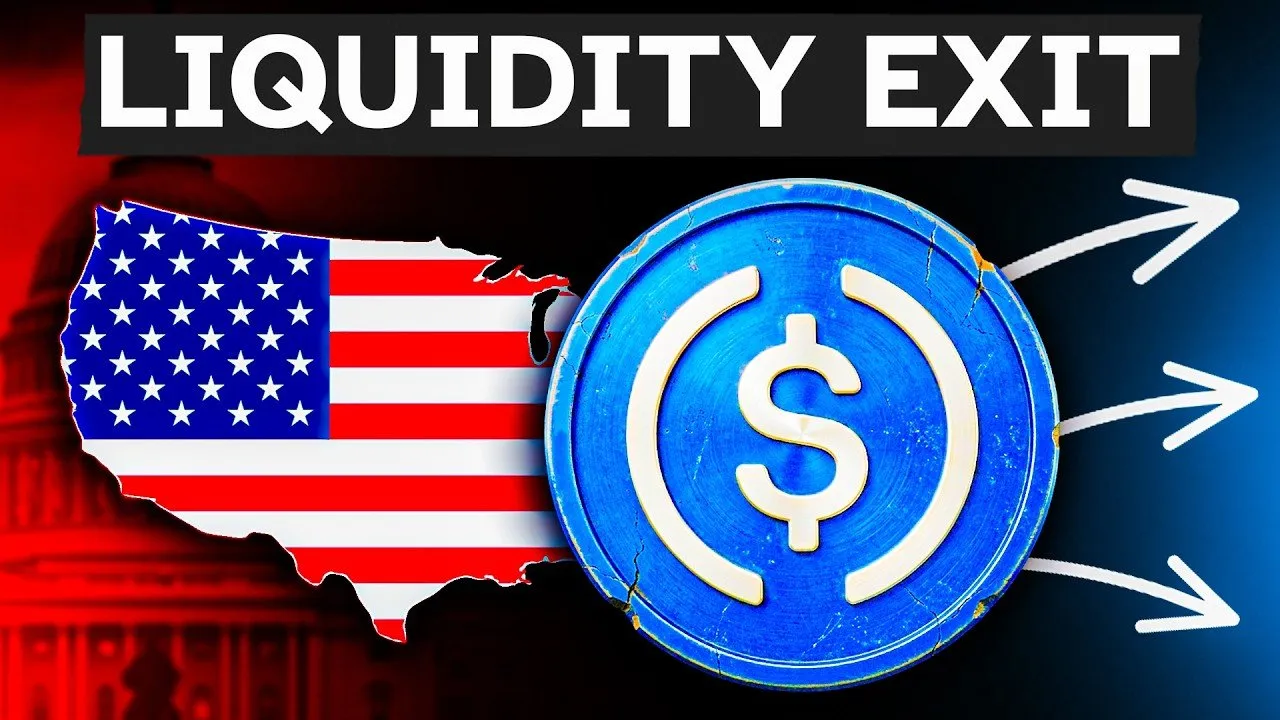
If the U.S. government forces a ban on yield through regulated, domestic platforms, industry observers anticipate a significant migration of capital toward permissionless DeFi (decentralized finance) protocols and offshore exchanges. Rather than strengthening the banking system, a strict legislative ban may simply accelerate the exodus of capital to jurisdictions and protocols beyond the reach of the Treasury and U.S. regulators.
The critical question remains whether the existing decentralized infrastructure can scale to meet the influx of capital seeking fair market yields before federal regulators attempt to close the door. As the Senate continues to debate the Digital Asset Market Clarity Act, the outcome will likely define the long-term feasibility of competing with traditional banking interest rates in the digital age.