Table of Contents
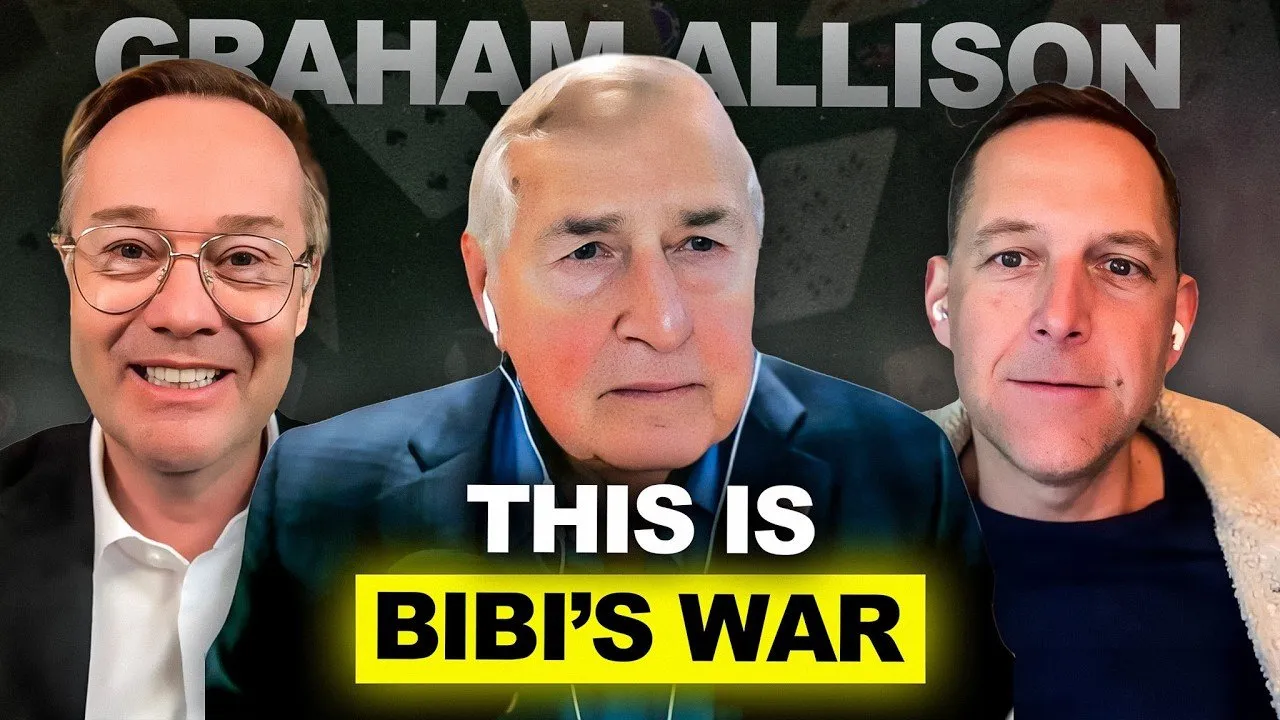
The current global landscape is shifting in ways that few fully grasp, yet the ramifications are felt from the Straits of Hormuz to the manufacturing hubs of Asia. As conflicts expand across the Middle East, the traditional understanding of warfare, diplomacy, and the American role on the world stage is being fundamentally challenged. With information becoming increasingly scarce due to widespread censorship, understanding the true nature of these developments—and the risks they pose to the United States—has never been more critical.
Key Takeaways
- The Erosion of Sovereignty: Modern warfare is being reshaped by autonomous systems and AI-driven targeting, raising profound moral questions about machine-led lethal decision-making.
- Geopolitical Realignment: The current conflict risks accelerating global nuclear proliferation as smaller, wealthy nations realize that traditional security guarantees are no longer reliable.
- The Illusion of Choice: Critics argue that the U.S. is no longer acting as an independent superpower, but rather as an enabler for foreign agendas that do not align with American national interests.
- The Necessity of Honor: Maintaining the moral authority of the United States requires transparency, accountability for civilian casualties, and a return to the principles of justice in foreign policy.
The Shift Toward Technological Warfare
One of the most concerning aspects of the current conflict is the shift toward autonomous weaponry. When targeting decisions are outsourced to artificial intelligence, the line between military necessity and tragedy becomes blurred. The reported double-tap bombing of a school in Iran—an event that suggests either a profound intelligence failure or the cold efficiency of an algorithm—highlights the danger of removing human oversight from the power of life and death.
The Moral Cost of Automation
If the United States is to remain a standard-bearer for Western values, it cannot rely on machines to execute sensitive strikes without clear, human-verified intelligence. The moment a nation abandons the individual accountability inherent in Western tradition to adopt tactics of collective punishment, it forfeits its claim to moral superiority. As Colonel Douglas McGregor notes, the shift toward a war with no clearly defined ground strategy often leads to a reliance on air campaigns that target infrastructure rather than legitimate military assets, ultimately hardening the resolve of the population being attacked.
Nuclear Proliferation and Global Stability
The stated goal of preventing nuclear proliferation may be achieving the exact opposite of its intent. When regimes witness "regime change" being forced upon nations that lack a nuclear deterrent, the message sent to the rest of the world is clear: sovereignty is only guaranteed by the possession of weapons of mass destruction. By aggressively pursuing the destabilization of states like Iran, the current trajectory is likely to incentivize other nations to accelerate their own nuclear agendas.
"The incentive for every small but reasonably wealthy country as of right now is get nukes as quickly as you can because you are going to get regime changed if you don't."
The Limits of Power and Diplomacy
History provides a sobering reminder that even the greatest empires are governed by the realities of debt, logistics, and limited resources. Former President Dwight D. Eisenhower understood these constraints, often resisting calls to expand military engagements when the strategic necessity was not absolute. Today, Washington appears to have lost this sense of "limits." By ignoring the long-term economic and diplomatic fallout of its current actions, the U.S. risks not only its financial standing but its reputation as a reliable mediator.
The Search for an Off-Ramp
The path forward requires a return to traditional diplomacy, yet the U.S. currently lacks the credibility to act as a neutral party. Finding an intermediary—a nation with standing in both the Eastern and Western spheres, such as India—is essential to de-escalating the conflict before the global economy reaches a point of no return. As oil markets fluctuate and critical infrastructure is pulverized, the urgency for a political settlement cannot be overstated.
The Question of American Honor
The most fundamental issue remains whether the United States is acting in its own best interest or being drawn into conflicts that serve the objectives of other entities. An honorable nation state’s objectives clearly, pursues non-violent solutions in good faith, and resorts to force only when necessary. If American diplomatic efforts are exposed as mere ruses to distract adversaries while preparing for a strike, the long-term damage to the U.S. position in global affairs will be catastrophic.
"The challenge in American foreign policy is to link the contingencies of power with the principles of justice."
Ultimately, the citizens of the United States must demand transparency. If the country is to maintain its role as a leader on the world stage, it must act with the restraint and accountability that defines a constitutional republic. As the stakes rise and the potential for a wider conflict looms, the need for a strategic shift—one that prioritizes American interests and upholds the dignity of human life—becomes the defining challenge of our time.
Conclusion
The current path of escalation is not merely a matter of foreign policy; it is a test of the American character. As the world witnesses the destruction of civilizational states and the collapse of economic stability, the necessity of reevaluating our alliances and our objectives has never been more pressing. Whether this leads to a new age of man or simply the exhaustion of empires remains to be seen, but the survival of our values depends on our ability to distinguish between necessity and hubris. Moving forward, the focus must shift from the expansion of influence to the restoration of honor and the pursuit of a sustainable peace.