Table of Contents
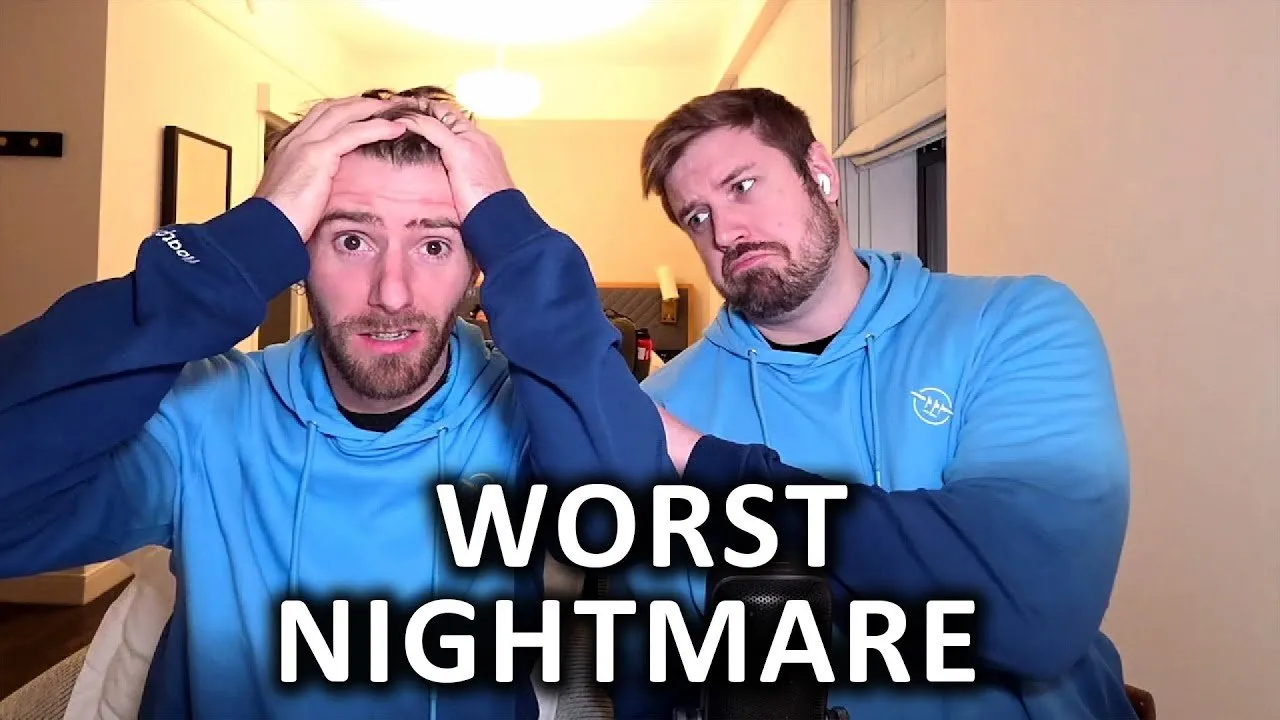
A highly anticipated live demonstration of a prototype modular Micro-LED television suffered a catastrophic technical failure during the January 16, 2026, broadcast of the WAN Show, underscoring the persistent volatility of pre-production display hardware. Hosts Linus Sebastian and Luke Lafreniere were attempting to showcase the unit’s peak brightness capabilities when the system abruptly cut power, leaving the studio in silence and the screen dark.
Key Points
- A prototype 16K Micro-LED display malfunctioned during a live stress test on the WAN Show.
- The failure occurred during a demonstration of the panel's experimental power delivery system.
- Linus Media Group clarified the hardware was an early engineering sample, not a consumer-ready product.
- Analysts suggest the incident highlights remaining thermal management hurdles for next-generation modular screens.
Live Demonstration Abruptly Halted
The incident occurred approximately forty minutes into the broadcast as Sebastian prepared to demonstrate the "infinite canvas" feature of the unbranded prototype. The display, touted for its ability to maintain 5,000 nits of sustained brightness, was connected to a proprietary external power supply unit. As the hosts increased the brightness settings to maximum levels for a visual fidelity test, the screen flickered violently before shutting down completely.
Following the blackout, Sebastian immediately identified a thermal overload in the controller board. While the broadcast continued without interruption, the visual component of the demo was abandoned. The hosts spent the remainder of the segment dissecting the failure, using the opportunity to educate viewers on the complexities of driving high-density pixel arrays without active cooling solutions.
"This is exactly why we insist on live demonstrations rather than pre-recorded b-roll," Sebastian remarked during the stream. "When you operate on the bleeding edge of display technology, sometimes you bleed. This unit is months away from mass production, and today we saw exactly why those timelines exist."
Challenges in Micro-LED Adoption
This public malfunction draws attention to the broader engineering challenges facing the display industry as it transitions from OLED to Micro-LED technology. While Micro-LED promises superior brightness and longevity without the risk of burn-in, the power requirements and heat dissipation remain significant engineering bottlenecks. The prototype shown on the WAN Show utilized a new modular interconnect system designed to reduce cabling, a point of failure that experts believe contributed to the shutdown.
Industry observers noted that while the failure was unfortunate for the manufacturer providing the sample, it provided a realistic look at the development cycle of consumer electronics. The transparency regarding the failure—rather than a curated marketing presentation—aligns with a growing consumer demand for authenticity in technology coverage.
Implications for Consumer Hardware
The failure serves as a cautionary tale for early adopters anticipating the rollout of affordable modular displays in late 2026. Manufacturers have been aggressively marketing the scalability of these screens, but stability at peak performance remains a variable. The incident on the WAN Show suggests that thermal throttling algorithms may need to be more aggressive in consumer units to prevent similar shutdowns, potentially limiting the real-world brightness compared to advertised specifications.
Linus Media Group indicated they would be working with the manufacturer to diagnose the specific component failure and plan to release a follow-up video detailing the autopsy of the prototype. For the broader market, the event reinforces that while next-generation display tech is visually impressive, the supporting power infrastructure requires further refinement before it is ready for the average living room.