Table of Contents
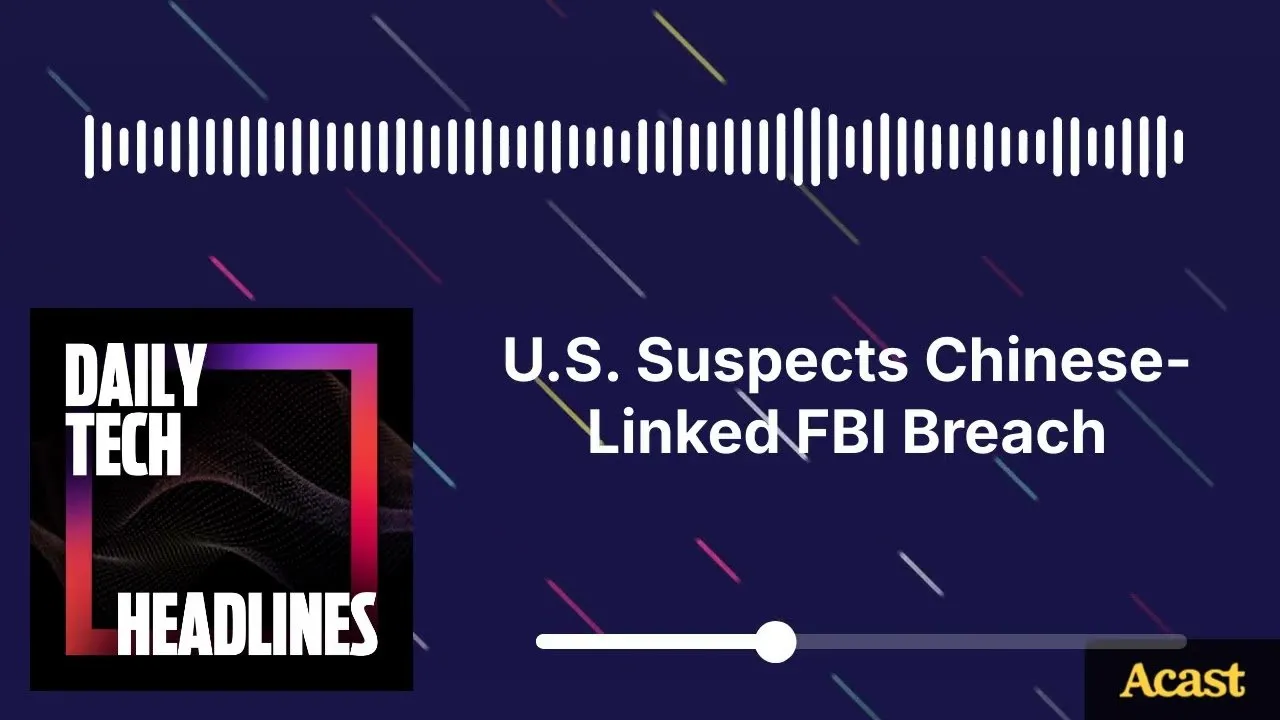
United States investigators are currently probing a suspected cyber intrusion into an FBI internal network, with officials pointing toward state-linked hackers from China. The breach, which exposed metadata related to domestic surveillance orders, marks a significant escalation in ongoing tensions regarding international digital espionage.
Key Points
- Investigators suspect China-linked actors accessed an FBI system containing non-content metadata, including phone numbers and IP addresses.
- The U.S. President has issued a new executive order aimed at dismantling transnational cyber-fraud and extortion syndicates.
- Nintendo has launched a legal challenge against the U.S. government, seeking refunds for tariffs the company alleges were imposed unlawfully.
- Anthropic faces a Department of Defense (DoD) blacklist, though tech giants Google, Microsoft, and Amazon maintain support for the firm’s non-defense operations.
- OpenAI has delayed the launch of its "adult mode" for ChatGPT to further refine age verification and safety protocols.
FBI Breach and Federal Cybersecurity Shifts
According to reports from The Wall Street Journal, the FBI recently detected and contained suspicious activity within a system housing metadata tied to surveillance orders. While the compromised data includes website routing information and connection logs, officials confirmed that the actual content of communications remained secure. The investigation remains in its nascent stages, leaving the full scope of the intrusion unclear.
In response to increasing digital threats, the White House has moved to bolster national cyber-defenses. An executive order signed this week directs federal agencies to overhaul the regulatory and technical frameworks used to combat transnational criminal organizations. The initiative mandates a concrete action plan to identify the groups responsible for widespread digital extortion and to develop new countermeasures to neutralize their operational infrastructure.
Tech Industry Legal and Policy Conflicts
The technology sector is grappling with significant regulatory hurdles, most notably Nintendo’s lawsuit against the U.S. government. The gaming giant contends that recent tariffs violate legal limits set by the International Emergency Economic Powers Act, as clarified by a previous Supreme Court ruling. Nintendo is seeking full reimbursement for tariffs paid on imported hardware, a move that follows the company's decision to absorb costs for the new Switch 2 rather than passing them to consumers.
Meanwhile, the AI landscape is shifting as the Department of Defense restricts the use of Anthropic’s models, citing supply chain risks. Despite the federal directive to phase out Claude within six months, commercial demand for the platform is surging. App Figures reports that Claude’s daily active users reached 11.3 million on March 2, a 183% increase since the beginning of the year. Anthropic CEO Dario Amodei has confirmed the company intends to challenge the DoD designation in court.
The Pentagon directed federal agencies to stop using anthropic technology, including Claude, within 6 months, with some contractors having already switched to alternatives.
Infrastructure and Security Developments
OpenAI remains at the center of rapid development, though its infrastructure expansion in Texas has stalled. After negotiations regarding financing and technical requirements failed with Oracle, the project collapsed, potentially paving the way for Meta to take over the site with assistance from Nvidia. On the security front, OpenAI has introduced Codeex Security, a diagnostic tool that identified thousands of high-severity vulnerabilities in critical open-source projects like OpenSSH and Chromium during its research phase.
As these developments unfold, the focus shifts to the long-term implications of AI-driven security and the rising costs of data breaches. With the Transport for London (TfL) hack recently confirming that 10 million individuals had their personal data compromised—and two suspects now awaiting trial—the urgency for enhanced digital accountability remains a primary concern for policymakers and private enterprises alike.

![Will The Crypto Rally Actually Continue? [These Are My Picks]](/content/images/size/w1304/format/webp/2026/03/will-the-crypto-rally-continue-my-picks.jpg)