Table of Contents
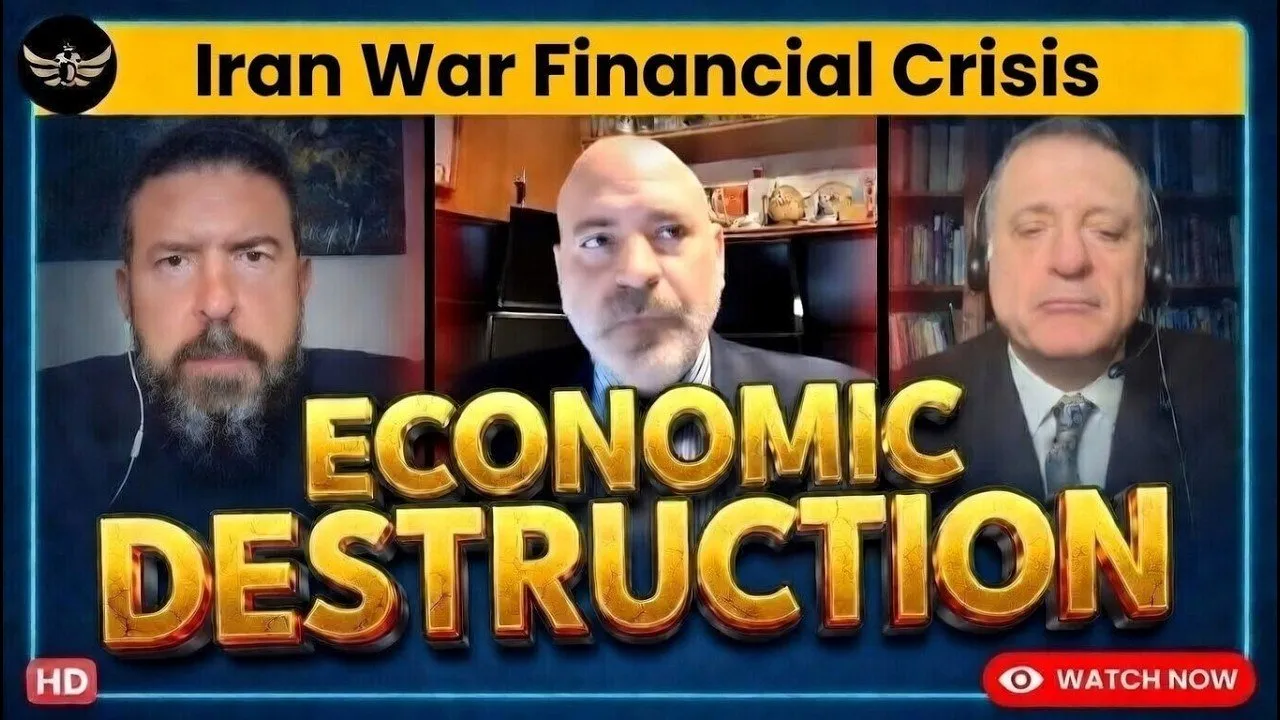
Ongoing geopolitical tensions involving Iran have triggered a significant disruption in global energy markets, pushing oil prices toward critical thresholds and threatening broader economic stability. As crude oil prices fluctuate near $119 per barrel and major infrastructure for liquefied natural gas (LNG) faces operational halts, central banks are grappling with a resurgent inflationary environment that complicates future interest rate policy.
Key Points
- Energy Market Volatility: Crude oil prices have reached crisis levels, with analysts projecting potential surges toward $150–$200 per barrel if supply chain disruptions persist.
- LNG and Commodity Shortages: With 12.8 million tons of annual LNG capacity offline—including major facilities in Qatar—global gas prices have spiked by up to 50% in single-session trading.
- Inflationary Pressure: Rising energy costs have translated into higher consumer and producer prices, evidenced by a 3.4% year-over-year increase in U.S. PPI, challenging the Federal Reserve's ability to pivot toward interest rate cuts.
- Strategic Investment Sectors: Market analysts are identifying potential resilience in energy infrastructure, defense contractors, and companies with strong pricing power as portfolios recalibrate for a high-inflation, high-interest-rate regime.
The Economic Implications of Energy Disruption
The current conflict has moved beyond geopolitical posturing to impact the structural foundations of the global economy. Beyond crude oil, the suspension of critical LNG exports has forced Europe and Asia to scramble for alternative energy sources. The reliance on Persian Gulf energy supplies has left major importers, including Japan, South Korea, and India, particularly vulnerable to these disruptions.
According to current market reports, the energy crisis is acting as a catalyst for renewed inflation. When energy inputs increase in cost, the effect cascades through transportation, manufacturing, and food production. Central banks, which were previously signaling a potential transition toward monetary easing, now face a "trap" between stagnant growth and the necessity to curb oil-driven inflation through sustained high interest rates.
"Every central bank right now is trapped between rising inflation, raising rates, and lower growth. If the Fed is forced to keep rates high due to oil-driven inflation, risk assets will face significant downward pressure."
Strategic Positioning in Uncertain Markets
In response to the market climate, investors are rotating capital toward sectors that demonstrate immunity to inflationary cost pressures. The consensus among market observers is that companies with high gross margins—those capable of raising prices without losing customer demand—are best positioned to maintain profitability.
Growth and Defensive Sectors
- LNG Infrastructure: As Europe and Asia pivot away from traditional supply routes, U.S.-based LNG exporters, such as Cheniere Energy and NextDecade, have become central to long-term energy security strategies.
- Defense Contractors: Heightened global defense budgets and the necessity of rearming NATO allies have provided revenue visibility for firms like Palantir and Lockheed Martin, which often rely on long-term government contracts.
- Gold as a Hedge: Despite the U.S. dollar currently outperforming safe-haven assets in the short term, institutional targets from firms like JP Morgan and Deutsche Bank suggest gold remains a critical long-term component for portfolio stabilization.
Looking Ahead: Escalation vs. De-escalation
The market is currently pricing in two primary scenarios: a sustained escalation involving potential ground interventions or a strategic de-escalation that would allow for a stabilization of global energy supplies. The latter remains complicated by the political stakes for all involved parties.
For investors, the immediate path forward involves balancing risk against potential volatility. While market corrections in tech and high-growth assets have created accumulation opportunities, analysts warn against "chasing the pump" on rallies that lack structural support. As the situation evolves, the focus for market participants will remain on central bank communications and the status of energy export facilities in the Persian Gulf, which serve as the primary indicator for global economic normalization.