Table of Contents
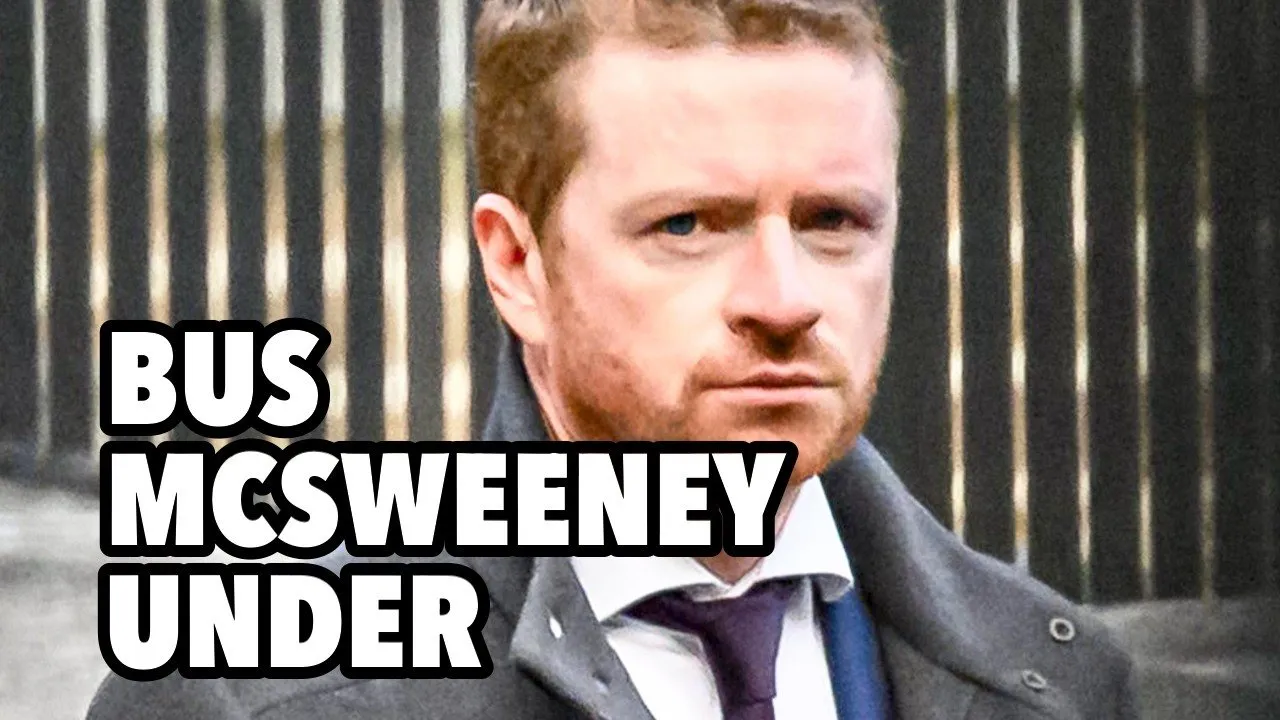
The political atmosphere in Westminster has reached a fever pitch following the sudden resignation of Morgan McSweeney, Prime Minister Keir Starmer’s chief of staff. While official channels paint this as a standard personnel shuffle, political insiders suggest a far more turbulent reality: a regime scrambling to maintain its grip on power amidst plummeting approval ratings and internal factionalism. As rumors circulate regarding Starmer’s own tenure, the United Kingdom appears to be grappling with a profound crisis of leadership that extends far beyond the walls of 10 Downing Street.
Key Takeaways
- Strategic Sacrifice: Analysts suggest Morgan McSweeney’s resignation was not voluntary but a calculated move by Starmer to buy time and deflect from his own collapsing political position.
- The "Never Here" Premier: Starmer faces growing resentment from his own MPs and the public for prioritizing international affairs—specifically Ukraine—over the deepening domestic economic crisis.
- Succession Vacuum: Despite Starmer’s weakness, he remains in office largely because potential rivals like West Streeting and Angela Rayner facing their own political liabilities.
- Systemic Instability: With seven Prime Ministers in just ten years, the UK is exhibiting symptoms of severe political dysfunction, leading to a disconnect between the ruling class and the electorate.
The Sacrificial Lamb: analyzing the McSweeney Ouster
The departure of Morgan McSweeney is widely viewed not as a resignation of principle, but as a dismissal of necessity. McSweeney was instrumental in Starmer’s rise to leadership, yet he was reportedly forced out as the Prime Minister’s political capital began to drain away. By removing his closest lieutenant, Starmer appears to be attempting to insulate himself from the growing criticism surrounding his administration's lack of strategic direction.
However, the resignation letter itself offers a rare glimpse into the fracture lines within the Labour Party. Specifically, it highlights tensions involving Peter Mandelson, a heavy hitter from the New Labour era.
"I accept I made a mistake in supporting Peter Mandelson's appointment as ambassador to Washington when I was asked for my opinion about it."
This admission is revealing. It implies a significant power struggle behind the scenes, potentially involving the appointment of ambassadors and the direction of foreign policy. The subtext suggests that McSweeney may have lost a battle against the entrenched establishment figures surrounding the Prime Minister. By forcing McSweeney to "take the fall," Starmer may have temporarily appeased certain factions, but he has also jettisoned the primary architect of his election victory.
"In Office, But Not In Power"
The core of Starmer's vulnerability lies in a perception that has crystallized over the last 18 months: that he is disconnected from the realities of British life. As living standards fall and the economy stagnates, the Prime Minister is frequently criticized for his intense focus on foreign affairs, particularly the conflict in Ukraine.
The "Never Here" Moniker
Discontent has bred a new nickname for the Prime Minister among his own backbenchers: "Never Here." This reflects a growing frustration that Starmer is more visible in Brussels, Washington, or Kyiv than he is addressing the concerns of his constituents or his party. While international alliances are crucial, the optics of embracing foreign leaders while the domestic economy fractures have alienated large swathes of the electorate.
This disconnect has led to a collapse in goodwill. The "Alinsky curse"—a reference to the political polarization that eventually alienates the moderate middle—appears to be in full effect. The public perception is of a leader more interested in the affairs of other nations than in the governance of his own, leaving him with a title but very little actual authority.
The Succession Crisis and Labour's Strategic Paralysis
If Starmer’s position is so precarious, why has he not yet fallen? The answer lies in the lack of a compelling alternative. The Labour Party currently faces a dearth of viable successors, creating a political deadlock.
- West Streeting: Viewed by many as the establishment pick, Streeting is closely aligned with the right wing of the party and figures like Peter Mandelson. This association makes him a polarizing figure for the party's base.
- Angela Rayner: The Deputy Leader remains entangled in investigations regarding her tax affairs. This ongoing scrutiny makes her a risky proposition for a party trying to project stability.
The Missed Tactical Pivot
Political strategists argue that if the Labour Party possessed the ruthless survival instincts of its past, it would execute a tactical pivot immediately. The upcoming by-election in Manchester presents a critical danger zone. A strategic party might force a leadership change now to bring in a figure like Andy Burnham, the Mayor of Manchester.
Burnham, while ideologically similar to the current leadership in many ways, possesses the populist touch and regional authority to potentially hold the "Red Wall." However, the current Labour apparatus seemingly lacks the agility to execute such a maneuver. Instead, the party appears set to drift through the coming by-elections and local elections, potentially suffering damaging defeats that will further erode their standing.
A Nation Adrift: The "Banana Republic" Comparison
The crisis facing Keir Starmer is symptomatic of a broader malaise in British politics. The turnover of leadership in the UK has become historically unprecedented.
"Seven prime ministers in 10 years... the UK is a banana republic."
This instability has fostered a deep cynicism among voters. The revolving door at Downing Street suggests a political class that is more focused on internal feuding and globalist aspirations than on consistent governance. From the perspective of many voters, the "Establishment"—regardless of whether it wears a Conservative or Labour rosette—prioritizes the maintenance of the transatlantic neoliberal order and the reversal of Brexit over national sovereignty or economic stability.
The Rise of the Fringes
As the two main parties converge on policy and suffer from leadership crises, the electorate is beginning to fracture. We are witnessing a drift toward alternative political vehicles:
- The Green Party: Increasingly capturing the urban, university-educated demographic. They are positioning themselves as the new home for the radical left, advocating for open borders and deeper European integration.
- Reform UK: This party is becoming a landing zone for the disillusioned working class and traditional conservatives. It represents a rejection of the "Uni-party" consensus, appealing to those who feel betrayed by the failure to implement Brexit fully.
Conclusion
Keir Starmer survives today not because of his strength, but because of the weakness of his opposition and the paralysis of his party. By sacrificing Morgan McSweeney, he has bought himself time—perhaps hours, perhaps days, perhaps weeks. However, the fundamental issues plaguing his premiership remain unresolved.
The UK finds itself in a state of drift, governed by a political class that appears to loathe the populist sentiments of its own people while lacking the competence to manage the nation's decline. Until a leader emerges who can bridge the gap between the priorities of the electorate and the actions of the state, the revolving door at Number 10 is likely to keep spinning.