Table of Contents
Internal leaks discovered within the Chromium issue tracker have revealed Google’s active development of a desktop-optimized Android experience codenamed "Aluminum OS," signaling a potential convergence of the company’s operating systems. While software evolution takes center stage, hardware market dynamics are shifting rapidly, with Counterpoint Research projecting the Google Pixel line to become the fastest-growing major smartphone brand globally in 2026.
Key Points
- Aluminum OS Leak: Google is testing a "bonafide" desktop Android experience on Chromebook hardware, featuring window management and Chrome extension support.
- Pixel Market Surge: Counterpoint Research forecasts 19% growth for Google’s Pixel line in 2026, driven by supply chain resilience.
- Nothing's Strategic Pivot: Carl Pei announced there will be no "Nothing Phone 4" flagship this year, shifting focus to the mid-range A-series.
- Motorola's Mixed Bag: The company launched a $150 Moto Watch but faces criticism over a loophole allowing them to skip OS updates in Europe.
The Emergence of "Aluminum OS" and Desktop Android
Evidence surfacing from the Chromium issue tracker suggests Google is accelerating its efforts to create a native desktop environment within Android. The project, reportedly referred to as "Aluminum OS" or "ALOS," is currently being tested on existing Chromebook hardware, specifically an HP Elite Dragonfly Chromebook codenamed "Bria/Redrix."
Unlike previous desktop modes, this iteration appears to be a comprehensive overhaul. The leak points to a redesigned, taller status bar that includes date and time elements similar to Chrome OS, clickable system tray elements, and—crucially—compatibility with Chrome extensions. This development addresses a long-standing limitation of Android on larger screens: the lack of a desktop-class browser experience.
The timing of this leak correlates with broader industry rumors suggesting a potential phasing out of Chrome OS by 2034 in favor of a unified "Android PC" platform. While Google continues to support Chromebooks with lengthy update cycles, "Aluminum OS" represents a significant step toward a unified ecosystem.
"This really is like your bonafide desktop experience... It’s got window management obviously, which is a really big part of the desktop environment. So that's going to be a part of this native Android environment just like it is on Chrome OS, which includes the ability to minimize full screen."
Market Shifts: Pixel Growth and Nothing's New Strategy
On the hardware front, Google occupies a strong position in the global market. A new report from Counterpoint Research indicates that the Google Pixel line is set to be the fastest-growing major smartphone brand in 2026. Analysts attribute this projected 19% growth to Google's integrated supply chain, specifically its reliance on in-house Tensor processing units.
While competitors facing memory shortages and component cost hikes may struggle, Google's vertical integration provides a buffer, allowing for aggressive global expansion beyond its strongholds in the U.S. and Japan.
Conversely, London-based tech company Nothing is altering its release cadence. CEO Carl Pei confirmed that the company will not release a flagship "Nothing Phone 4" this year. Instead, the company plans to target the mid-range market with the expected launch of the Phone 4a and 4a Pro in early March.
"We're not just going to churn out a new flagship every year for the sake of it. We want every upgrade to feel significant. Just because the rest of the industry does things a certain way, it doesn't mean we will do the same."
Motorola: New Hardware and Regulatory Loopholes
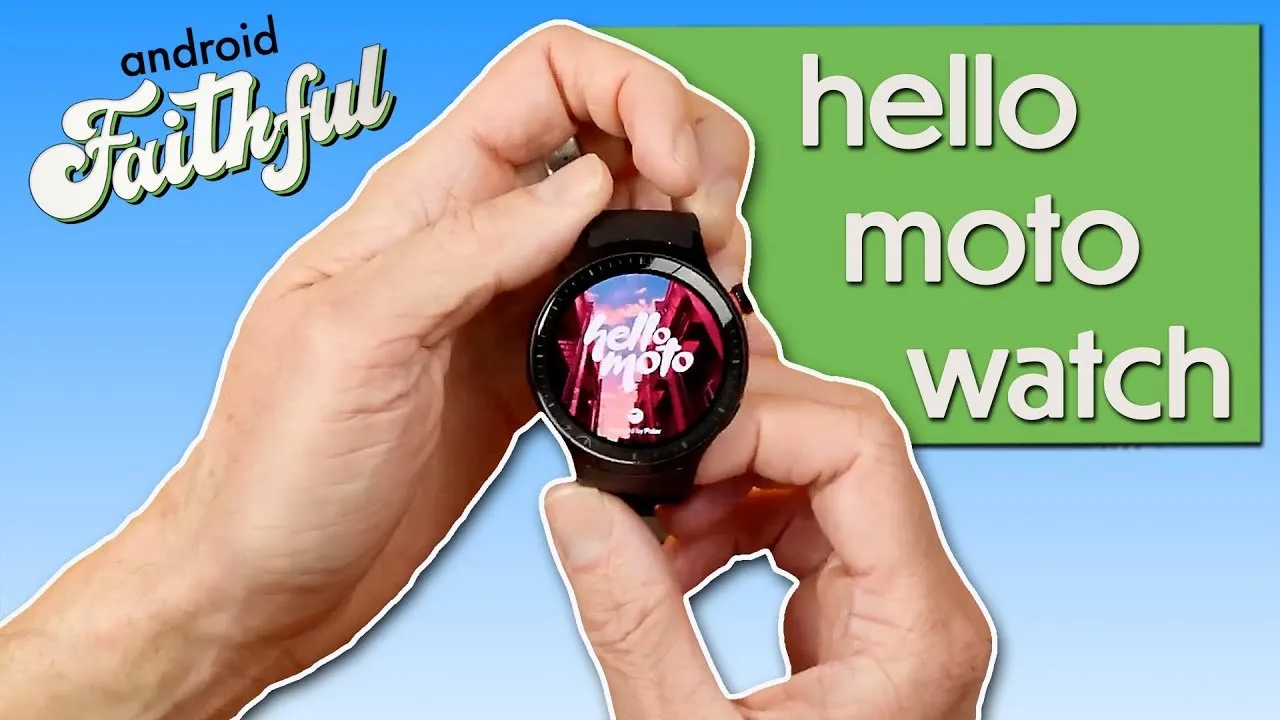
Motorola has introduced the Moto Watch, a $150 wearable featuring a 1.4-inch OLED display, aluminum frame, and a reported 13-day battery life. Notably, the device runs on Moto OS rather than Google's Wear OS, a trade-off that allows for the lower price point and extended battery performance. The device also integrates "Moto AI" and fitness tracking powered by Polar.
However, Motorola is simultaneously facing scrutiny regarding its software update policy in the European Union. Despite EU regulations intended to enforce device longevity, Motorola has launched new handsets with five years of security patches but zero operating system updates. This decision leverages specific wording in the regulation stating that manufacturers must provide updates for free if they provide them at all.
By opting not to provide OS feature updates, Motorola remains compliant with the letter of the law while circumventing the spirit of the regulation, a move that has drawn criticism from consumer advocates and Finnish regulators alike.
Android 16 Adoption and Legacy Hardware
As of February 2026, Android 16 distribution has reached 7.5%, a significant improvement over the 4.5% adoption rate of Android 15 at the same point in the previous cycle. This data suggests that efforts to streamline the update process are finally yielding faster adoption rates for the latest OS versions.
In terms of longevity, the Nvidia Shield TV continues to be a benchmark for long-term support. A recent retrospective by Ars Technica highlighted the device's 10-year lifespan, during which it received updates from Android 5 through Android 11, cementing its status as one of the most supported Android devices in history.
Looking ahead, the industry expects further announcements regarding the "Nothing Phone 4a" series in March, alongside potential official reveals regarding Google's desktop Android ambitions at upcoming developer conferences.