Table of Contents
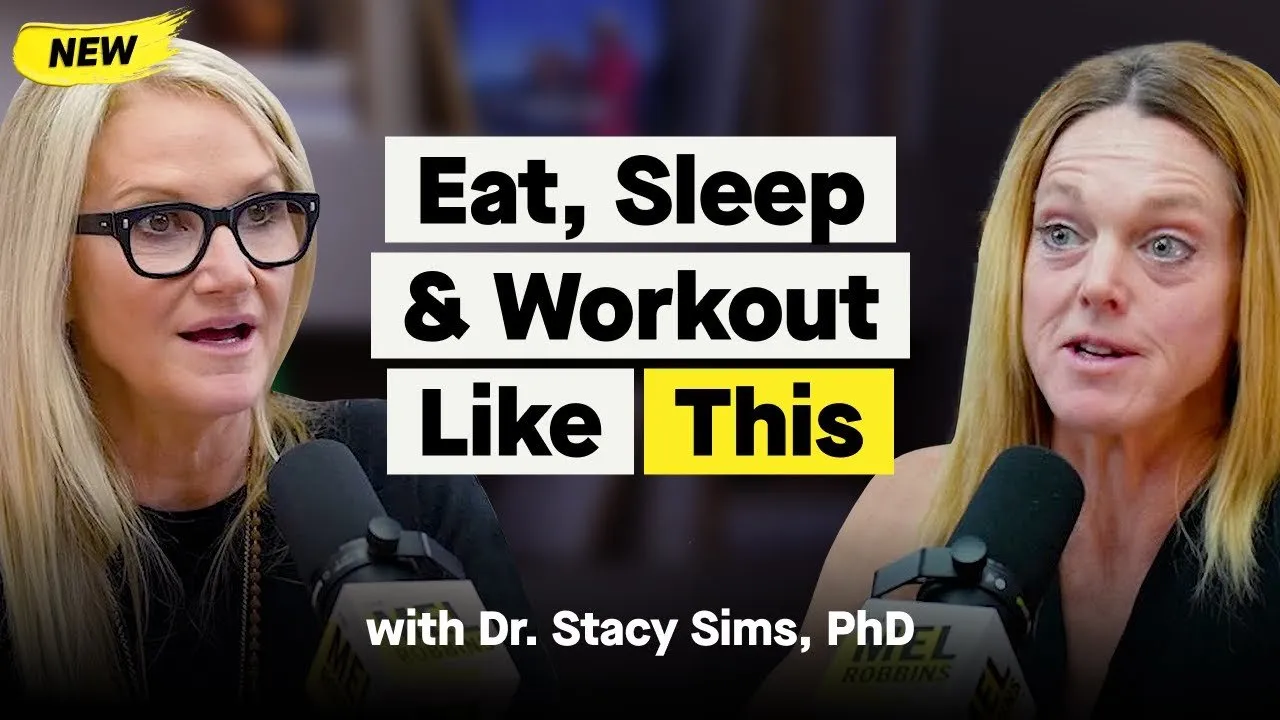
For many women, the transition into perimenopause and menopause feels like waking up in a stranger’s body. The exercise routines that worked in your 30s suddenly result in weight gain. You might experience brain fog, frozen shoulder, or the sudden appearance of abdominal fat often dubbed the "menopot." According to Dr. Stacy Sims, a world-renowned exercise physiologist and nutrition scientist, this isn't a sign of decline—it is a signal that your body requires a completely different operating manual.
Menopause is not merely a reproductive transition; it is a fundamental shift in how your body handles stress, builds muscle, and utilizes energy. By understanding the physiological changes occurring behind the scenes, you can stop fighting your physiology and start working with it to build a stronger, more resilient body than you had in your 20s.
Key Takeaways
- Menopause is "Reverse Puberty": Just as puberty introduces hormones that change body shape and function, menopause removes them, requiring new inputs to maintain muscle and metabolism.
- Lift Heavy, Rest Long: High-repetition, light-weight workouts are ineffective for this demographic. To replace the muscle-building signal of estrogen, you must lift heavy loads that stimulate the central nervous system.
- Stop Moderate Cardio: "Gray zone" training (moderate-intensity steady state) can increase cortisol and belly fat. Switch to true Sprint Interval Training (SIT).
- Prioritize Protein: As estrogen drops, the body breaks down muscle more easily. Women should aim for significantly higher protein intake (approx. 30g per meal) to counteract this.
- Creatine for Brain Health: Beyond muscle, creatine monohydrate is a powerful tool for combating brain fog and mood fluctuations associated with hormonal drops.
The Physiology of "Reverse Puberty"
To understand why your body is changing, you must first redefine what menopause actually is. Technically, menopause is a single day on the calendar: the 12-month mark after your last period. Everything leading up to that day is perimenopause, and everything after is postmenopause. Dr. Sims frames this transition as "reverse puberty."
During puberty, the influx of estrogen and progesterone acts like a key in a lock, opening up new epigenetic expressions—hips widen, breasts develop, and body composition changes. In perimenopause, that key is removed. Every system that has relied on estrogen for the last 30 to 40 years—from your brain and gut to your muscles and tendons—takes a hit.
"If you really think about your own experience of what happened to your body in puberty... it makes so much sense. When you hit perimenopause and menopause, it's like you're going through a reverse puberty."
The Impact on Brain and Body
When estrogen levels decline, the effects are systemic. Estrogen is not just a reproductive hormone; it drives the production of serotonin and dopamine (mood-regulating neurotransmitters) and helps transport glucose to the brain. When these levels drop, women often experience increased anxiety, mood swings, and brain fog.
Physically, the loss of estrogen leads to an increase in visceral fat—the deep, inflammatory fat stored around organs. This is distinct from subcutaneous fat and is often resistant to traditional weight loss methods. Furthermore, estrogen receptors are present in tendons and ligaments. A drop in estrogen decreases collagen synthesis and tissue stiffness, which explains why injuries like frozen shoulder and plantar fasciitis are common during this life stage.
Why Your Old Workout Routine is Failing
A common mistake women make during this transition is doubling down on what worked in the past: cutting calories and increasing cardio. Dr. Sims argues that this approach often backfires. When you are in perimenopause, your body is already in a state of stress due to hormonal fluctuations. Adding long-duration, moderate-intensity cardio (like 45-minute spin classes or long runs) creates a "chronic cortisol" response.
Because estrogen and progesterone are no longer present to help mitigate cortisol, the body perceives this exercise as a threat, causing it to hold onto fat—specifically around the midsection—as a survival mechanism.
The Solution: Sprint Interval Training (SIT)
Instead of moderate cardio, the goal should be polarized training. You want to be either very relaxed (walking) or working at maximum intensity. Dr. Sims recommends Sprint Interval Training (SIT). This involves going as hard as you possibly can for 30 seconds or less, followed by a long recovery (1 to 2 minutes) until your heart rate comes completely down.
This type of training creates a specific metabolic stress that signals the body to burn fat without chronically elevating cortisol. It is about quality, not quantity. A 20-minute session with high intensity and adequate rest is far more effective than an hour of moderate work.
The Power of Heavy Strength Training
If there is one non-negotiable tool for the menopausal woman, it is heavy resistance training. Estrogen is essential for muscle contraction force and muscle repair. When it depletes, you cannot simply maintain muscle mass with light weights and high reps (e.g., barre or pilates alone).
You need to provide a new stimulus that forces the body to adapt. Lifting heavy weights stimulates the central nervous system (CNS). When you lift a load that is heavy for you, the brain must recruit more muscle fibers and fire them faster to move the weight. This neural adaptation acts as a workaround, bypassing the need for estrogen to build strength.
"You're literally rewiring your body to work with what you have in it. It's never too late to start and you can always become stronger and build muscle."
The Ideal Protocol
Dr. Sims outlines a specific "ideal" protocol for women looking to optimize their body composition and strength:
- Frequency: Aim for 3 days a week.
- Intensity: Heavy loads. On a scale of 1 to 10 (Rate of Perceived Exertion), you should be at an 8 or 9.
- Repetitions: Keep reps low (3 to 5 reps per set). If you can easily do 15 reps, the weight is too light.
- Rest: Take significant rest periods (2 to 3 minutes) between sets. You are training the nervous system, not the cardiovascular system. You need to fully recover to lift heavy again.
- Structure:
- Day 1: Squat focus (lower body push).
- Day 2: Push/Pull focus (upper body bench press, overhead press, rows).
- Day 3: Hinge focus (deadlifts, hip thrusts).
Nutrition: Fueling Instead of Starving
The "eat less, move more" dogma is particularly damaging during menopause. Due to the changes in the gut microbiome and muscle breakdown, perimenopausal women actually have higher protein requirements than younger women. Dr. Sims recommends aiming for approximately 1 gram of protein per pound of body weight (or what you want your ideal body weight to be).
To achieve this, you need to structure meals around protein, aiming for 30 to 40 grams per sitting. This might look like a salad loaded with mixed greens, beans, nuts, cheese, and chicken. Protein is essential not just for muscle, but for providing the amino acids required for neurotransmitter production.
Additionally, do not fear carbohydrates. The gut microbiome diversity decreases during menopause. To support gut health and serotonin production (95% of which happens in the gut), you need fiber-rich carbohydrates like fruits, vegetables, and whole grains.
Supplements and Stress Management
While lifestyle changes are primary, targeted supplementation can bridge the gap created by hormonal fluctuations.
Creatine Monohydrate
Creatine is often associated with bodybuilders, but it is vital for menopausal women. It helps with cellular energy availability. Research suggests that 3 to 5 grams of creatine monohydrate daily can help women recover from depressive or anxious episodes faster than SSRIs alone. It saturates the brain, improving cognition and mood stability.
Sleep Hygiene
Sleep disruptions are a hallmark of menopause due to the decline in progesterone, which is the body's calming hormone. To aid sleep, Dr. Sims suggests:
- L-Theanine and Apigenin: These supplements can help activate the parasympathetic nervous system (the "rest and digest" state).
- Temperature Control: Drinking something cold before bed can help drop core temperature, mitigating night sweats.
- Morning Mindfulness: Taking 5 to 10 minutes in the morning for quiet mindfulness sets the tone for the autonomic nervous system, building stress resilience for the rest of the day.
Conclusion
The narrative that women over 40 must accept a decline in health, strength, and metabolism is outdated. While the transition is significant, the body is highly adaptable. By shifting focus from calorie cutting and cardio to heavy lifting, protein prioritization, and recovery, you can rewire your physiology.
Menopause is not happening to you; it is a phase you can control. As Dr. Sims emphasizes, women who start lifting heavy in their 50s often find they are stronger and have better body composition than they did in their 30s. The tools are available—it is simply a matter of picking them up.