Table of Contents
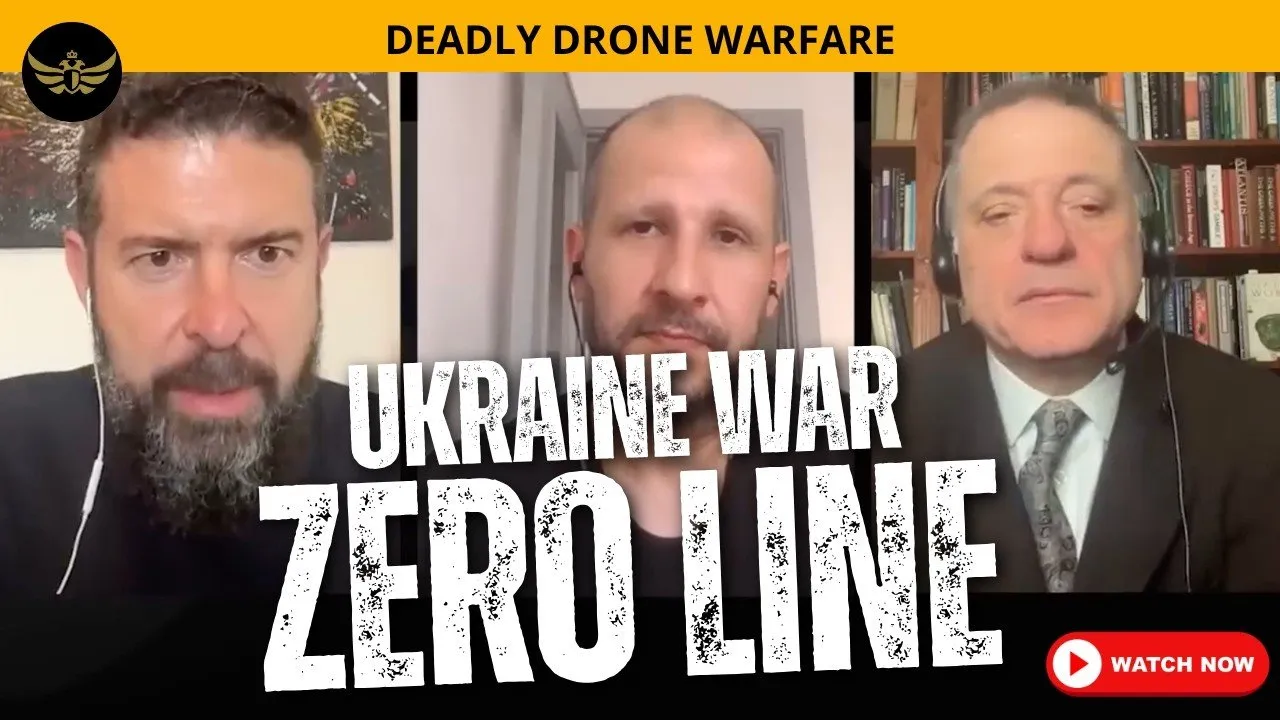
The narrative surrounding the war in Ukraine often varies wildly between mainstream Western media reports and the ground reality experienced by those observing the front lines firsthand. While outlets frequently depict a conflict where Russian forces are faltering or being pushed back, those present in the operational zones describe a vastly different, more complex landscape. João Quaresma, a geopolitical researcher who recently returned from the field, provides a grounded perspective on the role of emerging technology, particularly drone warfare, in shaping the current trajectory of the conflict.
Key Takeaways
- Drone Dominance: Drone warfare has become the most critical tactical element on the battlefield, necessitating a rapid evolution in defense and interception strategies.
- Civilian and Military Integration: Russia is increasingly utilizing a network of specialized schools—open to both civilians and military personnel—to train operators and engineers in drone assembly and tactics.
- Tactical Realism: Front-line troops prioritize tactical patience and drone suppression over reckless advances, aiming to minimize casualties while maintaining strategic objectives.
- Information Disconnect: There is a profound gap between the chaotic, "cartoonish" narratives often found in mainstream media and the observable reality of life in Russian border regions and tactical rear areas.
The Evolution of Drone Warfare
On the modern battlefield, the drone is not merely a tool for surveillance; it is a decisive weapon system. During his recent visit to both military units and training centers in the Caucasus and the Lugansk region, Quaresma observed a highly sophisticated approach to drone technology. This includes the development of "interceptor" drones designed specifically to neutralize enemy surveillance and strike platforms.
From Classroom to Trench
The training infrastructure for these systems is remarkably robust. Quaresma highlights that these schools—often supported by local government initiatives—are open to civilians. By providing intensive courses on aerodynamics, flight physics, and maintenance, Russia is creating a steady pipeline of operators who can transition seamlessly into military service. This integration of technical skill and field deployment illustrates how quickly the nature of warfare has shifted toward remote, high-speed engagement.
"There was a network of schools created throughout many regions of Russia. Everyone is learning, and very important, these schools are open to everyone."
Operational Realities and Tactical Patience
Contrary to reports suggesting a Russian retreat or systemic collapse, observers on the ground describe a military that is highly focused on methodical planning. The doctrine has moved away from the blunt force maneuvers of the past, favoring coordinated operations that prioritize the survival of personnel. In environments like the Kursk region, where the threat of constant drone surveillance is omnipresent, troops are trained to hide rather than engage, emphasizing that survival requires constant vigilance and adaptation.
The Role of Tactical Retreats
Quaresma notes that many claims of a Russian "backfoot" stance often misinterpret necessary tactical movements. In a landscape saturated with enemy reconnaissance, fixed positions are liabilities. Experienced units engage in fluid defensive and offensive maneuvers, avoiding the traps of rigid, static warfare. This, combined with the successful management of local infrastructure in regions like Belgorod, paints a picture of a society and military that have absorbed the shocks of the conflict and developed long-term resilience.
The Human and Industrial Component
Beyond the technical side, the conflict is defined by an immense industrial effort occurring in decentralized, sometimes underground, laboratories. In these facilities, soldiers and specialists work in tandem to customize drones for specific battlefield conditions. This ability to iterate on designs—adjusting motors, 3D-printing components, and calibrating systems within hours—allows forces to respond to enemy tactics with surgical precision.
Societal Resilience
The disparity between international reporting and local reality is perhaps most striking in cities like Belgorod or Briansk. While Western media outlets might claim these regions are deprived of essential services or internet connectivity, residents and observers report that daily life continues with standard infrastructure functionality. This cognitive dissonance between the "narrative" and the "ground truth" remains one of the most significant challenges in accurately assessing the state of the conflict.
"If you were not allowed to make tactical retreats here and there, you're making a huge mistake. Overall, Russia is not retreating. It's complete nonsense."
Strategic Outlook
The consensus among those embedded with the troops is one of grim determination. There is no sentiment of impending defeat; rather, there is a focus on the necessity of drone suppression and the long-term attrition of resources. With Ukraine experiencing significant human resource strain and Russia increasingly focusing on cost-effective, high-tech defense, the conflict has entered a phase where technological superiority and the ability to preserve combat power—rather than territorial speed—determine success.
"The only thing that holds Russia back is the drone warfare, because Ukraine is supplied in big numbers by the west."
Ultimately, the war in Ukraine remains a conflict defined by technical ingenuity and hard-fought tactical adjustments. By examining the growth of drone schools, the sophistication of maintenance labs, and the reality of life in the rear, it becomes clear that the conflict is far more entrenched and technologically complex than typical headlines suggest. As both sides continue to adapt their methods, the focus will likely remain on who can better control the sky and maintain the integrity of their supply lines under the constant threat of automated warfare.