Table of Contents
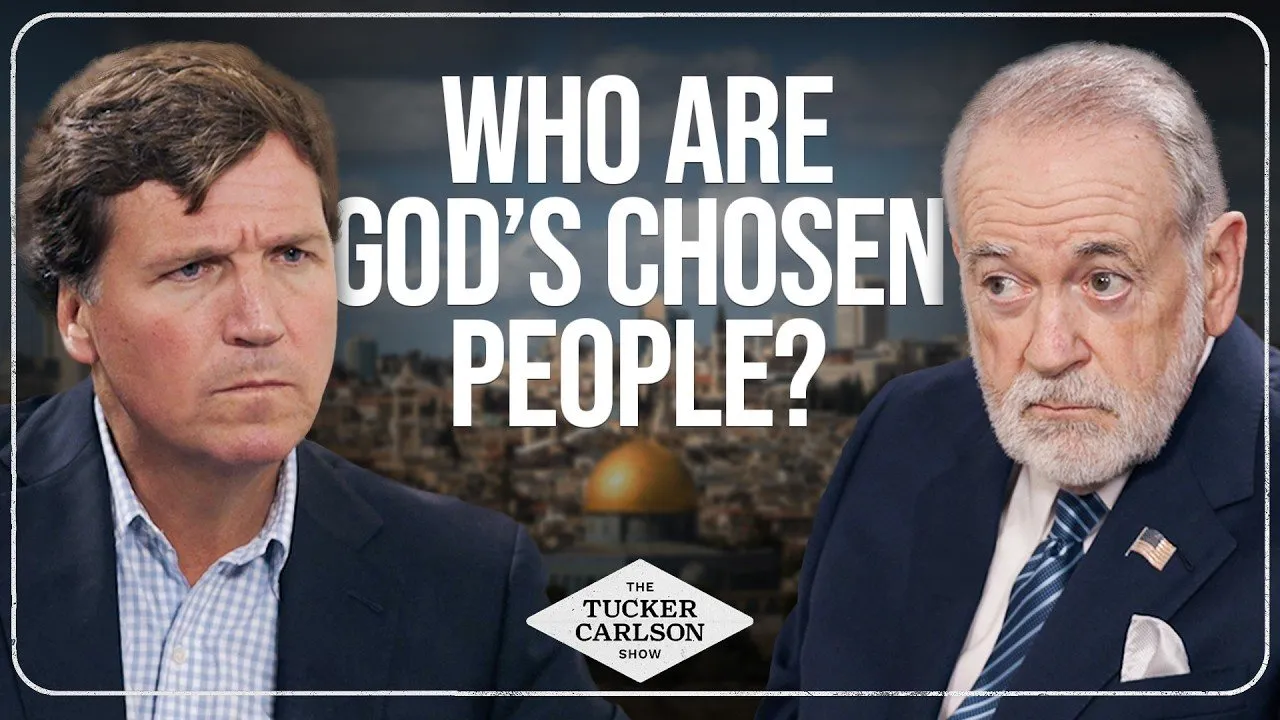
The relationship between the United States and Israel has long been defined by shared strategic interests and deep-rooted cultural ties. However, recent events surrounding Tucker Carlson’s journey to Jerusalem to interview U.S. Ambassador Mike Huckabee have brought a different, more friction-filled dynamic to light. Amidst the backdrop of a looming regional conflict with Iran and escalating rhetorical attacks from high-level officials, the logistics of modern diplomacy are becoming increasingly complex. This trip was not merely a journalistic exercise but an exploration of the tensions that arise when the interests of a foreign government appear to collide with the rights of American citizens.
Key Takeaways
- Prioritization of Foreign Interests: Concerns are rising that U.S. diplomatic officials may prioritize the sensitivities of host governments over the protection and representation of American citizens.
- Surveillance and Interrogation: Media teams visiting Israel reported intense questioning by security personnel regarding the content of private journalistic interviews, raising questions about the line between security and intelligence gathering.
- De-escalation Efforts Rebuffed: Attempts to bridge the rhetorical gap with Israeli leadership were met with refusals, highlighting a hardening of positions within the current political climate.
- Ambassadorial Role Questions: The behavior of U.S. representatives abroad is under scrutiny, particularly regarding their willingness to defend American interests in the face of foreign government pressure.
The Road to Jerusalem: Context and Conflict
The motivation for this specific interview was rooted in the shifting winds of Middle Eastern geopolitics. As the United States moves closer to a potential regime-change war with Iran—a conflict critics argue is being driven largely by Israeli Prime Minister Benjamin Netanyahu—the need for clarity in the U.S.-Israel relationship has never been more pressing. Ambassador Mike Huckabee, a long-time fixture in American politics and media, recently took his post in Jerusalem, bringing with him a history of staunch support for the region.
A History of Proximity
Tucker Carlson and Mike Huckabee have known each other for over 30 years, having worked in adjacent circles at Fox News and encountered one another during Huckabee’s tenure in Arkansas. Despite this personal history, the interview was sparked by a public exchange on social media. Huckabee suggested that Carlson, who has recently focused on the plight of Middle Eastern Christians, should speak with him directly. This led to a series of negotiations that revealed a surprising level of institutional resistance within the U.S. Embassy.
Navigating Diplomatic Hostility
Logistical arrangements for the interview were fraught with tension from the outset. Despite Carlson being an American citizen and the son of a former U.S. Ambassador, the embassy reportedly refused standard security protocols and logistical assistance. Instead of providing a control officer or embassy escort, the U.S. mission directed the media team to the Israeli Ministry for Foreign Affairs (MFA). This move was particularly notable because the Deputy Foreign Minister had recently labeled Carlson an enemy of the state in public statements.
Security Concerns and Historical Echoes
When requesting that flight information be shared with the Israeli military to avoid accidental engagement in a highly active war zone, the U.S. Embassy initially declined. This refusal prompted concerns regarding the safety of American civilians in foreign airspace. Notably, references were made to historical incidents like the bombing of the USS Liberty, suggesting that even close allies must maintain transparent communication to prevent tragedy. Eventually, the embassy relented, but the friction set an ominous tone for the remainder of the trip.
The Rhetoric of "Amalek" and Political Labels
Central to the friction is the increasingly personal nature of the rhetoric used by Israeli leadership toward American critics. Prime Minister Netanyahu has publicly utilized the term Amalek, an ancient biblical reference to an enemy that must be entirely blotted out. This concept of collective punishment or "blood guilt" stands in stark contrast to Western legal traditions, which emphasize individual responsibility.
"Anyone who doesn't agree with us 100 percent must be destroyed... and must be written off as a Nazi."
Efforts were made to secure a meeting with Netanyahu to de-escalate this language. Carlson sought to clarify his positions—specifically his desire for the dignified treatment of Christians and his opposition to a new war in Iran—and to argue that such extreme labels are counterproductive. However, these requests were denied by intermediaries who claimed a meeting would not serve the Prime Minister’s political interests.
The Interview and the Aftermath
The interview eventually took place in a diplomatic terminal at Ben-Gurion Airport. While the conversation with Huckabee was cordial, observers noted a distinct constraint in the Ambassador’s responses. There appeared to be a reluctance to criticize the host government, even when discussing the treatment of American personnel or broader military strategies. This raised a fundamental question: Whom does an ambassador ultimately serve?
Interrogation of the Media Team
The most revealing moment occurred after the cameras stopped rolling. As the media team prepared to depart, Israeli security personnel detained several producers. These individuals were not questioned about weapons or physical threats, but about the content of the interview they had just recorded. Interrogators reportedly asked for details on what the U.S. Ambassador said and demanded to see private text exchanges and staff directories.
- Producers were asked if the interview was "hostile."
- Security demanded to know the names and locations of office staff in the U.S.
- Interrogators held passports while asking questions unrelated to border security.
Conclusion
The events surrounding this diplomatic mission suggest a significant shift in the operational reality for Americans abroad. When a U.S. Embassy appears to coordinate with a foreign government to the detriment of its own citizens, the natural order of representation is inverted. Governments exist primarily to serve and protect their own people; when that priority is discarded in favor of a foreign power’s interests, it creates a situation that is fundamentally unsustainable. The transparency of these interactions is essential if the American public is to understand the true nature of its government’s international commitments.