Table of Contents
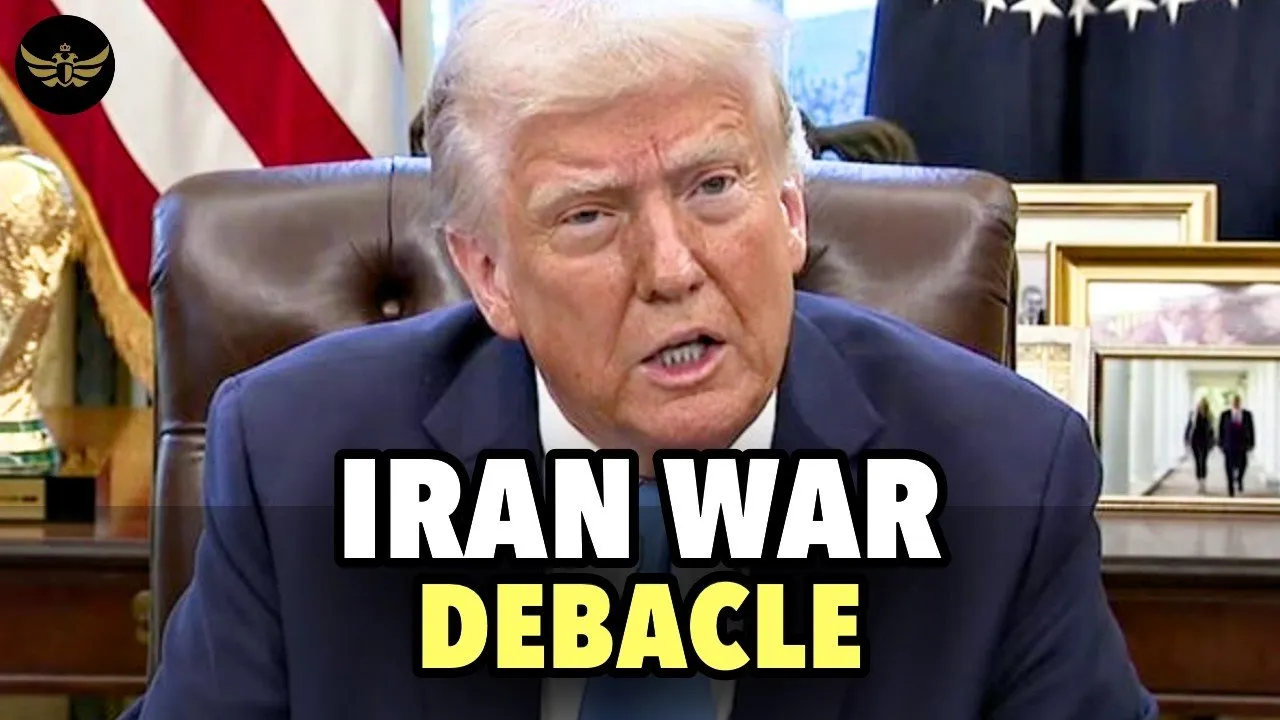
The unfolding conflict in the Middle East—involving the United States, Israel, and Iran—is rapidly evolving from a calculated strike into an unpredictable and expanding war. Initially framed by the Trump administration as a swift, surgical operation intended to neutralize leadership and spark a regime change, the situation has encountered the harsh realities of long-duration warfare. As the conflict deepens, it is becoming increasingly clear that the initial strategic assumptions may have been fundamentally flawed, placing the U.S. and its coalition in a precarious position.
Key Takeaways
- The Myth of the Short War: Strategy was predicated on a quick "three-to-four-day" operation to topple leadership; however, the lack of an internal uprising has forced a transition into a protracted, high-risk campaign.
- Resource Depletion: The U.S. and its allies are facing critical shortages of air defense missile interceptors and offensive munitions, exacerbated by the need to protect multiple vulnerable bases across the region.
- Geopolitical Backlash: Rather than forcing a collapse, the assassination of Iranian leadership has empowered hardline elements within Tehran, reducing the likelihood of a negotiated off-ramp.
- The "Hope Strategy" Failure: The reliance on the assumption that the Iranian public would revolt against their government has largely failed, with the regime consolidating support despite the intense external pressure.
The Strategic Miscalculation
The current U.S. military strategy appeared to rest on the belief that removing key Iranian officials would create a political vacuum, leading to a swift, pro-Western regime change. This approach, often described as a hope strategy, assumed that the Iranian public would rise up to fill the void. Instead, the administration is witnessing a hardening of the state apparatus. By removing perceived moderates, the coalition has inadvertently cleared the path for hardliners who are less inclined toward dialogue and arguably more prepared to pursue existential military countermeasures, including the potential development of nuclear assets.
The Reality of Internal Stability
While U.S. lawmakers have vocally encouraged civil unrest in Iran, the ground reality shows little evidence of a widespread uprising. Instead of mass protests, the region has seen significant public demonstrations of support for the Iranian government. The absence of military defections or administrative collapse suggests that the state’s internal security remains robust, turning the U.S. intervention into a potential quagmire rather than a clean tactical success.
The problem that I see now that the Trump administration faces is actually this: they don't have a plan. That was their plan. Take out the leader and hope that the people rise up.
The Logistics of Attrition
A primary concern for defense analysts is the rapid depletion of critical military stockpiles. Modern conflict in the region requires an immense supply of air defense interceptors to protect bases in Israel, Cyprus, Jordan, and the Arabian Sea. Reports indicate that even regional partners like the UAE are facing shortages. Unlike Russia, which has configured its industrial base for multi-year warfare, the U.S. military strategy has long prioritized short, high-intensity strikes, leaving it ill-equipped for a war of attrition.
Supply Chain and Economic Impacts
Beyond the battlefield, the economic fallout is beginning to pressure the global market. As oil tankers avoid the Straits of Hormuz and insurance costs skyrocket, energy prices—specifically natural gas in Europe—have experienced sharp spikes. This creates a difficult political landscape for Western leaders, who are now tasked with managing the domestic economic consequences of a war that lacks clear, achievable objectives.
Geopolitical Implications and Alliances
Critics argue that the U.S. approach to this conflict has alienated potential regional partners and further entrenched the divide between the West and the emerging Global South. Specifically, the strategy of cutting off Iran from its economic partners, such as China, may ultimately prove counterproductive. Rather than severing these ties, aggressive U.S. policy risks forcing Iran, Russia, and China into a tighter strategic alliance, potentially leading to retaliatory economic measures, such as the restriction of rare earth minerals essential for the Western military-industrial complex.
The "Al Capone" Style of Diplomacy
Many observers point to a lack of traditional diplomatic engagement as a defining feature of this crisis. By bypassing legislative authorization and multilateral consensus, the current policy shift resembles a unilateral, mob-style approach to statecraft. This absence of formal, high-level diplomatic communication channels leaves little room for de-escalation, making a unilateral withdrawal look like a strategic defeat, yet keeping forces in place ensures continued risk and mounting costs.
Conclusion
The Middle East conflict stands at a critical juncture. The strategy that promised a swift victory has instead yielded a sprawling, costly, and dangerous confrontation that threatens to spiral beyond the control of Washington. Without a realistic, history-informed off-ramp or a shift toward genuine diplomatic negotiation, the U.S. risks finding itself in a protracted regional struggle. The lessons of past quagmires suggest that when a military operation is defined by the absence of a long-term plan, the cost of extrication often outweighs the cost of the conflict itself. As it stands, the administration is struggling to define a goal beyond the initial strike, leaving the future of regional stability in a state of perilous uncertainty.