Table of Contents
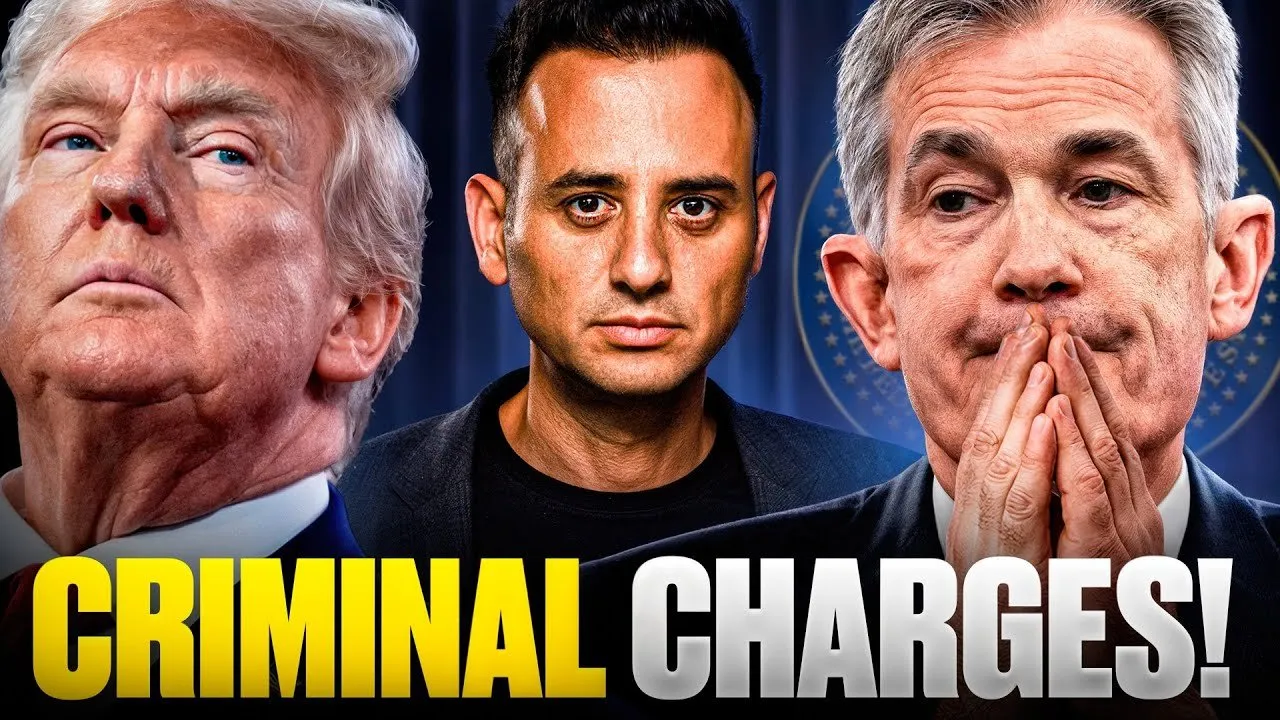
In a historic escalation of tensions between the executive branch and the central bank, the Department of Justice has served grand jury subpoenas to the Federal Reserve, threatening criminal indictment against Chair Jerome Powell. While the investigation officially centers on alleged perjury regarding testimony given before the Senate Banking Committee in June 2025, Powell has publicly characterized the legal action as a pretext for political retaliation stemming from his refusal to lower interest rates according to the administration's demands.
Key Developments
- Unprecedented Legal Action: The DoJ is investigating Chair Powell for potential perjury related to cost overruns on Federal Reserve building renovations.
- Defense of Independence: Powell issued a defiant statement asserting the move is an attempt to erode the Fed’s political independence and force monetary policy changes.
- Market Divergence: While US equity markets remained relatively stable, the US Dollar Index (DXY) weakened, and commodities including gold, silver, and copper surged to new all-time highs.
- Institutional Clash: Analysts warn that compromising the Federal Reserve's nonpartisan status could threaten the long-term credibility of the US dollar and the broader monetary regime.
The Investigation: Renovation vs. Retaliation
The immediate catalyst for the Department of Justice's inquiry involves testimony Chair Powell provided in June 2025 regarding the renovation of historic Federal Reserve office buildings. During that hearing, Powell was questioned regarding media reports alleging lavish spending, including the installation of VIP dining suites, ornate water features, and significant cost overruns.
Under oath, Powell characterized those reports as "misleading and inaccurate," denying the existence of specific luxury features. However, subsequent site visits by administration officials and legislators reportedly revealed discrepancies between the testimony and the final construction plans, with costs escalating from estimated figures to over $3.1 billion. The DoJ is now framing these discrepancies as potential perjury.
In a rare and combative public statement released prior to the news hitting mainstream headlines, Powell dismissed the renovation narrative as a smokescreen.
"This new threat is not about my testimony last June or about the renovation of the Federal Reserve buildings... Those are pretexts. The threat of criminal charges is a consequence of the Federal Reserve setting interest rates based on our best assessment of what will serve the public rather than following the preferences of the president."
Powell emphasized that the integrity of the US economy relies on monetary policy directed by evidence rather than "political fear or favor."
The Battle for Control of the Fed
This legal maneuvering occurs against a backdrop of a strained relationship between the administration and the central bank. President Trump has frequently criticized Powell, often referring to him as "Too Late Powell" regarding rate cuts. With Powell’s term as Chair set to expire in May 2026, the timing of the subpoenas suggests an effort to force an early resignation or delegitimize his influence.
However, the strategy faces structural hurdles. Even if replaced as Chair, Powell’s term as a Governor extends through January 2028. As a Governor, he would retain voting power on the Federal Open Market Committee (FOMC), allowing him to continue influencing rate decisions. Market observers believe the administration's goal is to remove him entirely to clear the path for a loyalist who aligns with the executive branch's desire for looser monetary policy.
This conflict strikes at the core of the US financial system. For over a century, the Federal Reserve has operated with a mandate of independence to prevent short-term political goals from destabilizing the long-term economy.
"If markets begin to believe that the U.S. administration just prints whatever it needs, the U.S. monetary regime collapses," noted macro economist Henrik Zeberg. "Disagreeing with the Fed is fine, but putting legal pressure to cut rates is not the best way forward."
Market Impact: The Rise of the Commodity Supercycle
The threat to central bank independence has triggered immediate reactions across global asset classes. The US Dollar Index (DXY) dropped by approximately 0.5%, a significant move for the currency benchmark, signaling shaken investor confidence in the dollar's governance.
Conversely, "hard assets" have entered a parabolic phase. Investors appear to be hedging against institutional instability by flocking to commodities:
- Gold: Acting as the primary store of value, gold has pushed to new all-time highs, mirroring the role typically ascribed to Bitcoin.
- Silver and Platinum: Following gold's lead, speculative capital has flowed into silver (up significantly year-over-year) and platinum.
- Industrial Metals: Copper has surged, driven by both the flight to safety and critical demand from the AI and data center sectors.
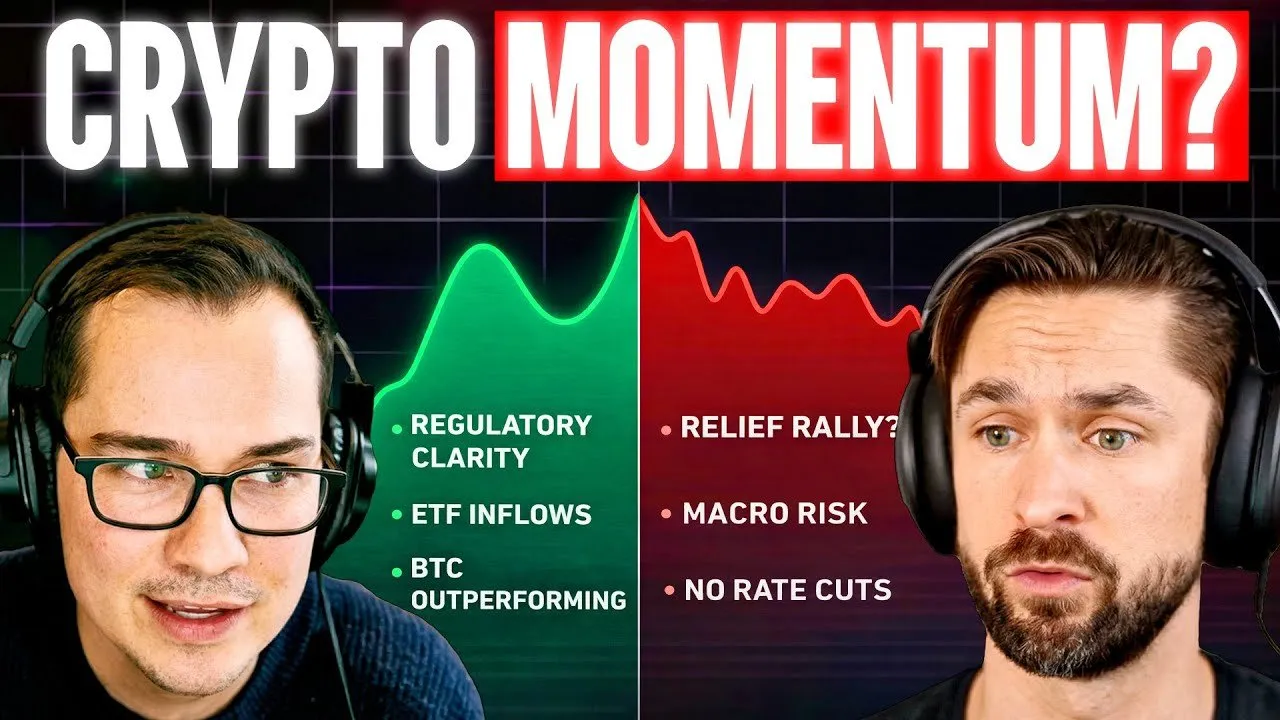
Notably, Bitcoin and the broader cryptocurrency market have remained relatively stagnant despite the geopolitical turmoil. While Bitcoin briefly spiked to $92,000, it failed to sustain the momentum, leading analysts to observe a shift in capital flow. The "crypto thesis"—seeking sound money outside of government control—is currently playing out in the commodities market rather than digital assets.
Venture capitalist Chamath Palihapitiya highlighted the structural demand supporting this trend, particularly for copper:
"We are still completely underestimating how short we are in terms of the global demand-supply dynamics... The asset that is set up to go absolutely parabolic is copper. It manifests in everything from our data centers to our chips to our weapons systems."
Implications and Outlook
The confrontation places the United States in uncharted territory. If the executive branch successfully pressures the Federal Reserve through legal intimidation, it could fundamentally alter global perception of the US dollar's stability. Senator Tom Tillis warned that the independence and credibility of the Department of Justice are now as much in question as that of the Fed.
In the near term, markets are pricing in a continued "commodity supercycle." As institutional trust wavers, capital is likely to continue rotating from fiat-denominated bonds and cash into tangible assets. Investors will be closely watching the DoJ's next steps and the FOMC's upcoming meetings to see if the political pressure results in the demanded rate cuts.