
Table of Contents
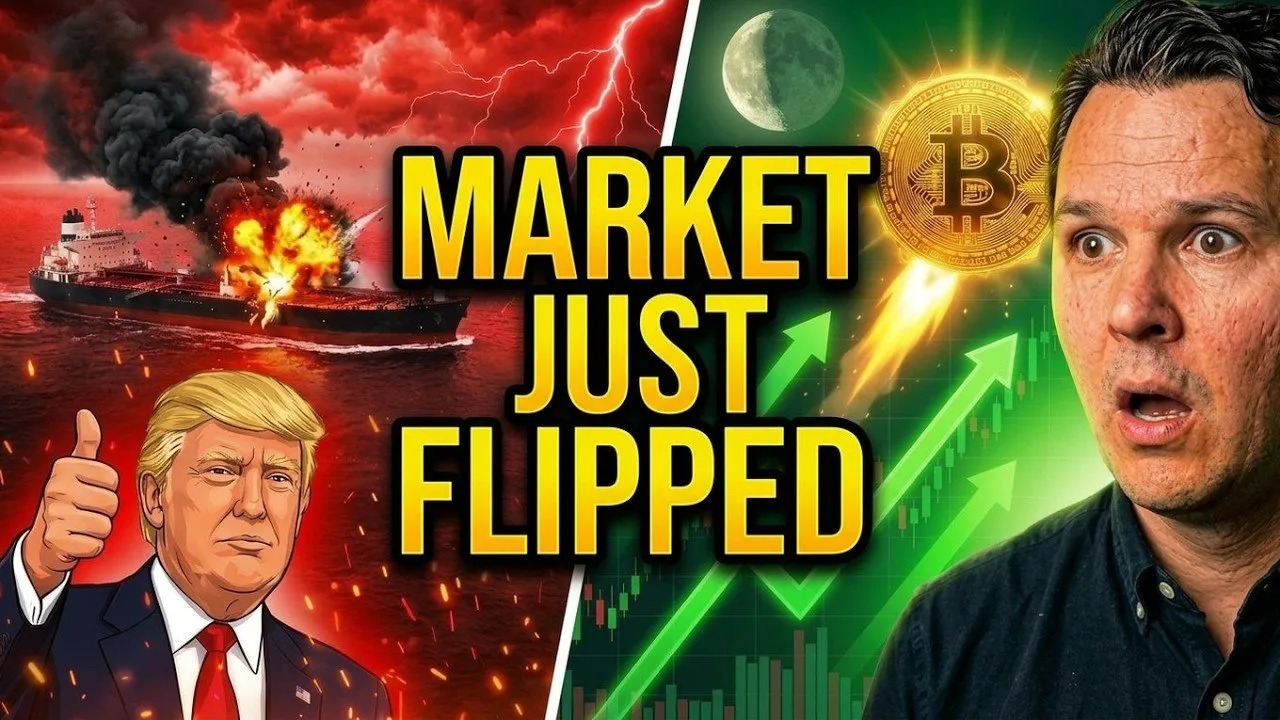
Global markets are showing signs of stabilization following reports that former President Donald Trump has proposed a federal backstop for maritime insurance in the Strait of Hormuz. The initiative aims to secure energy trade routes against potential disruptions from Iran, signaling a proactive shift in geopolitical risk management. As international coalitions mobilize to protect shipping lanes, investors are increasingly pricing in a contained conflict scenario, leading to a rally in risk assets and a softening of crude oil prices.
Key Points
- Geopolitical Intervention: A proposed federal insurance backstop for tankers aims to keep the Strait of Hormuz operational, potentially deploying U.S. Navy escorts if necessary.
- Market Response: Crude oil prices retreated from recent highs of $85.50 to approximately $82 per barrel as fears of a total shipping blockade subsided.
- Institutional Inflows: Bitcoin ETFs recorded a surge of $1.5 billion in inflows over the past week, suggesting strong institutional confidence despite broader market volatility.
- S&P 500 Resilience: Despite a recent surge in the VIX (volatility index) and the appearance of the Hindenburg Omen, the S&P 500 remains within 5% of its all-time highs.
Securing the Strait of Hormuz
The Strait of Hormuz remains a critical artery for the global economy, with approximately 20% of the world’s oil supply flowing through the chokepoint daily. Recent instability had paralyzed commercial shipping as private insurers canceled or significantly hiked premiums for vessels entering the region. The proposed U.S. policy seeks to neutralize this economic blockade by offering government-backed political risk insurance to shipping lines.
Beyond insurance, international cooperation is gaining momentum. Reports indicate that the French government is actively building a military coalition to supplement existing security measures. These developments serve as a market signal that the global community is committed to maintaining the flow of energy resources, regardless of regional hostility.
The globe cannot let Iran shut the straits down. They just can't. So countries like France are coming in and saying we are going to keep it open. We are committed. We are going to deploy assets to not only defend our neighbors, but we are also going to make sure that global maritime routes stay open and that the oil continues to move.
Financial Market Implications
Equity markets have demonstrated remarkable resilience despite the geopolitical tension. While the S&P 500 experienced a momentary dip earlier in the week, it saw a robust recovery. Historical data suggests that when the S&P 500 faces high volatility followed by a quick recovery—even in the face of conflict—it has maintained a positive trajectory in the majority of observed instances over the subsequent month.
The cryptocurrency market, often a barometer for broader risk sentiment, is reflecting this relative optimism. Bitcoin has broken above its 20-day exponential moving average (EMA), a technical development that traders are watching closely as a potential trend reversal signal. The surge in ETF inflows indicates that institutional investors, often referred to as "Wall Street," are actively buying the dip in the $60,000 price range.
What's Next for Investors
While current military and economic policies have provided short-term relief, the focus remains on the sustainability of these measures. Markets are currently looking for sustained volume to confirm the strength of the recent breakout in both traditional equities and digital assets. Analysts remain cautious regarding the Hindenburg Omen, a technical indicator associated with potential market corrections, yet note that the current environment is heavily influenced by rapid price adjustments to geopolitical news.
For investors, the immediate focus is on whether the stability of the Strait of Hormuz holds and if the current inflow trends for Bitcoin and related financial products maintain their momentum. As the year progresses, the interplay between AI-driven economic shifts and the stabilization of energy corridors will likely dictate the next phase of market performance.



)