Table of Contents
The latest diplomatic developments between Trump, Putin, and Zelensky have brought us full circle back to earlier negotiations, yet we remain no closer to ending the conflict in Ukraine. Yesterday's meetings at Mar-a-Lago, including a phone call between Trump and Putin followed by discussions with Zelensky, revealed a familiar pattern of diplomatic maneuvering that has characterized this crisis from the beginning.
Key Takeaways
- Trump and Putin have returned to the framework discussed in their earlier Anchorage meeting, rejecting unconditional ceasefire proposals
- Zelensky's 20-point peace plan was effectively dismissed, with Trump understanding Russia's opposition to temporary ceasefires
- Working groups between the US and Russia will be established to discuss security and economic issues separately
- The military situation continues to deteriorate for Ukraine while political negotiations remain stalled
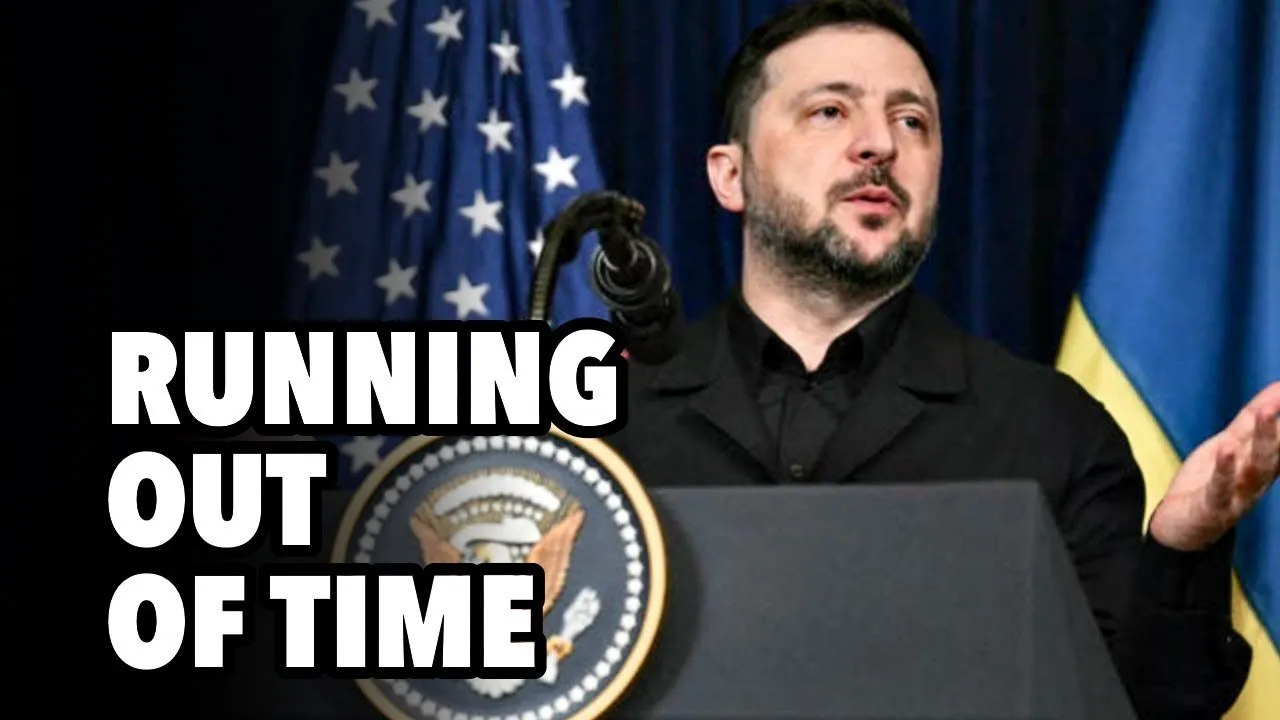
- Time is running short for meaningful negotiations as the 2026 midterms approach and battlefield realities shift
The Return to Anchorage Framework
The diplomatic process has come full circle, returning to the understanding reached between Trump and Putin in their Anchorage meeting. This represents a significant shift from the chaotic period following August, when Trump had walked back from the original framework under pressure from European allies, Ukrainian officials, and neoconservative voices in Washington.
Trump's Changed Position
Unlike in August, Trump held firm on his position during yesterday's discussions. The key difference this time was his phone call with Putin the night before meeting Zelensky, which appears to have reinforced his commitment to the original framework rather than allowing himself to be pushed toward unconditional ceasefire proposals.
Trump even mentioned it in the press conference that you could see Zelensky was not too happy about the working group's idea.
This resistance to pressure marks a notable change from Trump's earlier willingness to accommodate European and Ukrainian demands for different approaches to the conflict resolution.
The Failure of Ceasefire Proposals
The discussions clearly established that neither Trump nor Putin support the various ceasefire proposals that have been circulating. These include both unconditional ceasefires and the more recent proposals for temporary ceasefires disguised as referendum preparation periods.
Understanding Russia's Position
Trump's statement that he understands why Russia opposes ceasefires represents a significant diplomatic acknowledgment. This position aligns with the Russian view that temporary pauses would only allow Ukraine to regroup and rearm rather than leading to genuine resolution.
The Referendum Deception
Zelensky's latest proposal involves a 60-90 day ceasefire ostensibly to prepare for a referendum on territorial issues. However, this proposal faces several critical problems:
- It would exclude Ukrainian populations in Russia from voting, despite their significant numbers
- It mirrors the controversial Moldovan election model that excluded diaspora populations unfavorable to the desired outcome
- It contradicts Zelensky's claim that elections cannot be held during wartime while somehow allowing referendums
Military and Political Realities
The deteriorating military situation for Ukraine has fundamentally altered the negotiating landscape since the original Anchorage discussions. Russian forces have made significant advances, particularly breaking through Ukrainian positions in key areas.
Changing Battlefield Dynamics
The military situation has shifted decisively in Russia's favor since August, making the original Istanbul Plus framework potentially the only viable option for negotiations. Ukrainian positions in Donbass and Zaporizhzhia continue to face increasing pressure.
Political Instability in Kiev
New corruption scandals involving Zelensky's Servant of the People party, including allegations that MPs received money in exchange for votes, add to the political instability. These developments suggest growing challenges to Zelensky's political position as military and economic pressures mount.
The Working Groups Framework
The agreement to establish working groups represents a return to structured negotiation processes, though this approach faces significant challenges.
Bilateral Focus
The proposed working groups would focus on US-Russia bilateral discussions covering security and economic issues separately. This framework potentially sidelines some European involvement while still allowing Ukrainian participation through separate negotiating teams.
Time Constraints
The approaching 2026 midterm elections create serious time pressure for any meaningful progress. As domestic political considerations become more pressing, Trump's ability to focus on Ukrainian negotiations will inevitably diminish.
It's difficult to imagine that he can give his full attention to Ukraine whilst the elections are underway in the United States.
European and American Limitations
The current diplomatic situation reveals the fundamental limitations facing both European and American support for Ukraine's position.
Financial Constraints
Despite the 90 billion euro loan package, Ukraine continues to demand additional funding that European nations appear unable to provide. The US Congress has contributed only $800 million over two years, an amount insufficient for the scale of the conflict.
Weapons Supply Issues
Military-industrial capacity limitations mean that while long-term contracts spanning 5-20 years might be possible, immediate weapons supplies remain constrained. This reality undermines Ukrainian hopes for unlimited military support.
Looking Forward: Limited Options
The diplomatic developments suggest several possible scenarios, none of which offer quick resolution to the conflict.
Continued Military Action
Russian military operations will likely continue regardless of diplomatic discussions, as the working groups process will require considerable time to produce results. The pace of battlefield changes may outstrip diplomatic progress.
Political Changes in Kiev
Growing corruption scandals and military setbacks may trigger political changes in Ukrainian leadership, though this could further complicate negotiation processes rather than simplify them.
The return to the Anchorage framework represents both progress and a sobering reminder of time lost. While Trump and Putin appear to be on the same page again, the fundamental obstacles to peace remain unchanged. Zelensky's unwillingness to accept territorial concessions, European inability to provide unlimited support, and American domestic political pressures all suggest that despite coming full circle diplomatically, we are no closer to ending this conflict than we were months ago. The working groups may provide a structured approach to negotiations, but the window for meaningful diplomatic resolution continues to narrow as military and political realities evolve on the ground.