Table of Contents
Key Takeaways
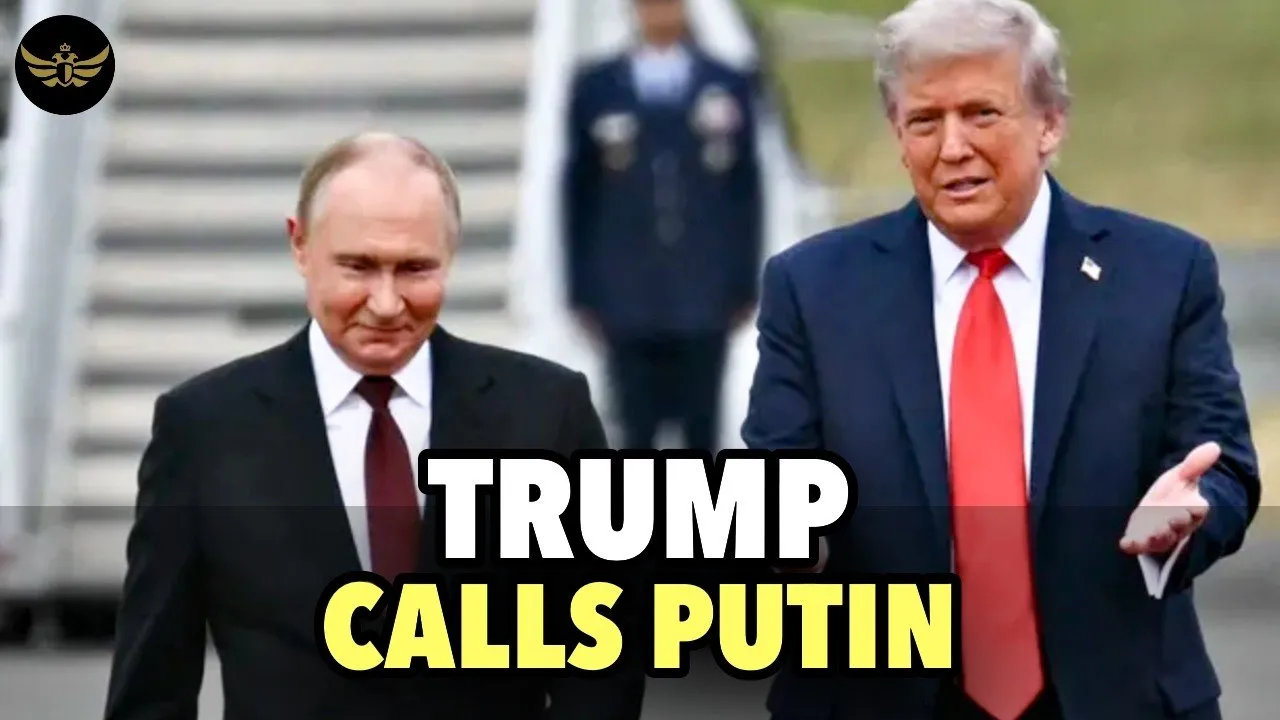
- President Trump initiated a phone call with Vladimir Putin, signaling a strategic search for an off-ramp to the escalating conflict in Iran.
- The high-level conversation, described by Russian officials as frank and business-like, focused heavily on ending hostilities in the Persian Gulf.
- Russia currently holds significant leverage over Tehran, making them a central diplomatic actor for any de-escalation efforts.
- Domestic pressures, including surging oil prices and the failure of predicted regime change, are forcing a reassessment of U.S. policy in the region.
- Long-term stability for Iran may require deeper economic and security integration within the BRICS framework to deter future aggression.
The Strategic Significance of the Trump-Putin Call
The recent diplomatic contact between Washington and Moscow marks a pivotal shift in the ongoing Middle Eastern crisis. Notably, Russian foreign policy aide Yuri Ushakov emphasized that the call was initiated by President Trump. In diplomatic circles, this detail serves as a clear indicator of who is currently seeking relief from the current geopolitical deadlock.
While the two leaders touched upon multiple issues, reports suggest the primary focus was the conflict involving Iran. This conversation follows a prolonged period of silence between the two leaders, dating back to the attack on Putin’s residence at Valdai. By reaching out, Trump acknowledges that Russia remains the most effective broker to stabilize a volatile region where U.S. objectives have not proceeded according to plan.
The single most important thing is that Trump called Putin in order to get Putin's help to bring the war to an end. Trump is now looking for an offramp.
Evaluating the Diplomatic Climate
The tone of the discussion was notably devoid of warmth or cordiality. When the Kremlin describes a call as frank, it typically implies that contentious, hard truths were exchanged. Analysts suggest Putin utilized the platform to voice strong disapproval of recent military actions, characterizing the targeting of Iranian leadership as both cynical and immoral.
Beyond the rhetoric, the practicalities of a ceasefire are being weighed. Moscow appears to be pushing for a cessation of hostilities rather than a temporary pause, aiming to secure the Straits of Hormuz and provide long-term guarantees that the current cycle of escalation will not be repeated. For Trump, securing these guarantees is a calculated move to preserve his political standing as energy markets react violently to the instability.
The Case for Russia Over China
Observers often ask why Trump would seek an off-ramp through Moscow rather than Beijing. The reasoning is largely rooted in recent trade tensions and the desire to avoid further public diplomatic humiliations. Having engaged in a high-profile trade dispute and faced setbacks in previous meetings with Chinese leadership, Trump likely views Putin as a more immediate—and perhaps more accessible—channel for resolving the crisis before his upcoming trip to Beijing.
Domestic Pressures and the Search for an Exit
Trump’s recent rhetoric, framing the conflict as a short-term excursion, reflects the increasing pressure from his own administration to abandon a failing strategy. With oil prices surging and the expected collapse of the Iranian government failing to materialize, the administration faces a "debacle" scenario. The military reality on the ground—characterized by continued missile strikes and the resilience of Iranian defensive assets—has contradicted the overly optimistic briefings provided by his close advisors.
He must sense that this thing isn't going to plan. He must be alarmed about what is happening in global energy markets.
For the administration to successfully pivot, experts argue that Trump must distance himself from the inner circle—specifically figures like Jared Kushner and Pete Hegseth—who have been instrumental in pushing policies that led to the current tragedy. Whether the president is capable of ceding influence to his Vice President, JD Vance, or shifting his cabinet to favor more pragmatic diplomacy, remains the defining question of his current term.
The Path Forward for Iran
Iran finds itself at a difficult juncture. While the nation has demonstrated resilience against external strikes, the human and economic costs of a prolonged conflict are mounting. To ensure long-term sovereignty, observers suggest Iran must pivot toward deeper cooperation with the BRICS nations. This includes:
- Economic Stabilization: Utilizing support from partners to stabilize the currency and mitigate the impact of sanctions.
- Military Modernization: Integrating advanced Russian and Chinese defense systems to create a more formidable deterrent.
- Diplomatic Realignment: Accepting security treaties that solidify Iran's standing within a multi-polar alliance.
While Iran remains deeply suspicious of foreign entanglements due to its historical struggle for independence, the threat of continued U.S. and Israeli hostility makes traditional isolationism an increasingly dangerous path.
Conclusion
The path toward a sustainable resolution in the Persian Gulf is fraught with challenges, primarily due to the deep-seated lack of trust between Washington and Tehran. While a temporary cessation of hostilities may be achievable through the mediation of figures like Putin, the risk of the conflict reigniting in the future persists. Ultimately, the effectiveness of any off-ramp will depend on whether Trump can successfully break away from the influence of the "war hawks" and prioritize long-term regional stability over the short-term political posturing that brought the region to the brink.