Table of Contents
After months of speculation and silence, the team behind the so-called "Trump Phone" (T1) has resurfaced with a physical prototype, updated specifications, and a targeted launch window for early 2025. The development comes alongside broader shifts in the tech landscape, including the rise of autonomous AI agents like OpenClaw and Tesla’s potential strategic pivot away from traditional automotive manufacturing.
Key Points
- Trump Phone Revival: The T1 smartphone aims to ship by late March or April pending T-Mobile certification, featuring a Snapdragon 7 series chip and 50MP cameras.
- Manufacturing Reality: Originally touted as "Made in the USA," the device is now described as having "final assembly" in Miami to comply with FTC regulations.
- AI Agent Security: New tools like OpenClaw offer autonomous desktop control, raising significant security concerns despite their convenience as personal assistants.
- Tesla’s Identity Crisis: Despite Elon Musk’s push toward "transportation as a service," automotive sales still account for approximately 75% of Tesla’s revenue.
The Trump Phone: Specs, Sourcing, and Launch Timeline
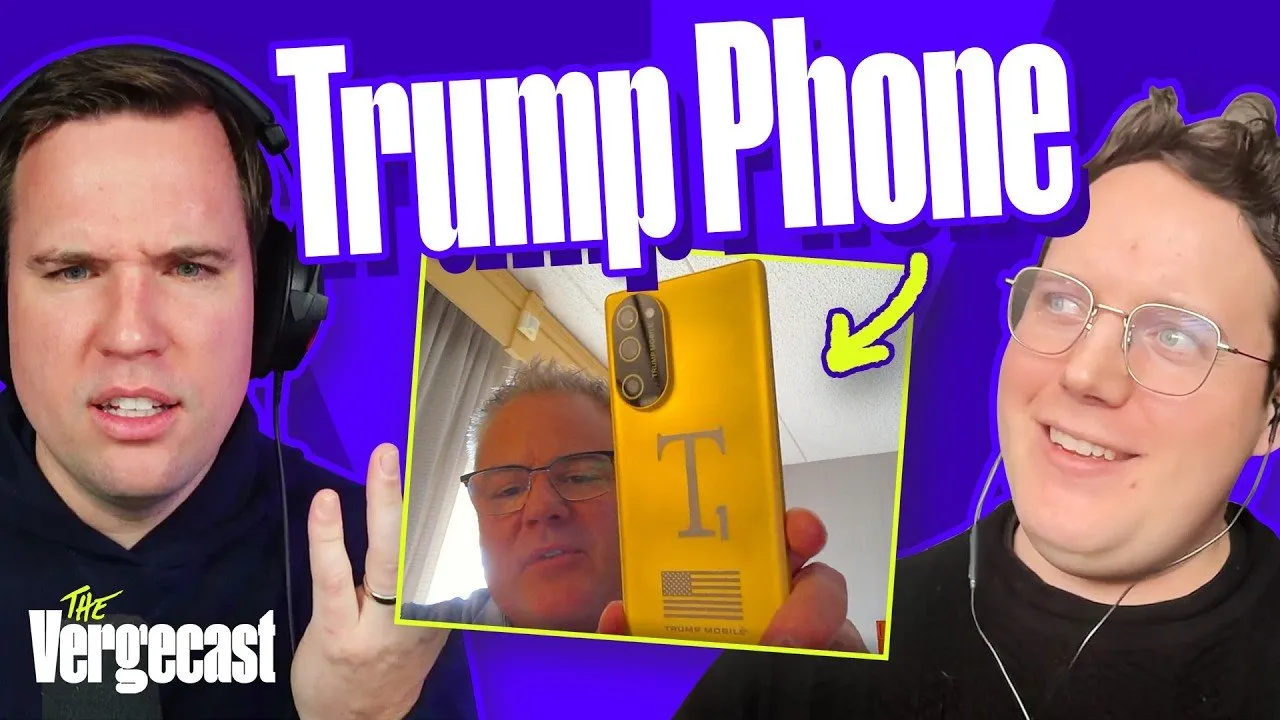
Following a quiet period since its initial announcement in mid-2024, executives behind the Trump Phone—officially the T1—have provided the first verified details regarding the hardware's existence. Previously dismissed by many analysts as vaporware due to rendered images and shifting claims, the device has now been demonstrated as a functioning Android smartphone.
According to The Verge’s investigation, the device is targeting a release window of late March or April, contingent upon network certification from T-Mobile. The company plans to pursue certifications for AT&T and Verizon subsequently but aims to ship initial units once the first carrier approval is secured.
The updated technical specifications position the T1 as a mid-range device rather than a flagship competitor, despite marketing that compares it to premium handsets. Key hardware features include:
- Processor: Qualcomm Snapdragon 7 series chip.
- Storage: 512GB of internal storage with microSD support.
- Cameras: A 50MP rear sensor and a notably high-resolution 50MP selfie camera.
- Battery: 5,000 mAh capacity.
- Display: A curved "waterfall" screen design.
While the initial pre-order price was listed at $499, executives indicated this was an introductory offer. The final retail price is expected to increase upon official launch, likely landing between $500 and $1,000.
Manufacturing and "Made in the USA" Claims
A central pillar of the T1’s initial marketing was its domestic production. However, the company has walked back claims that the device is "Made in the USA," a phrase strictly regulated by the Federal Trade Commission (FTC). The current operational model involves sourcing components globally with "final assembly" occurring in Miami. This process reportedly involves the assembly of approximately 10 key components, including the display, battery, and motherboard.
"They admitted on the call that they recognize that 'Made in the USA' is actually a term that the FTC regulates... and that this phone does not meet those requirements and that they could not legally call it made in the USA if they wanted to."
Visually, the prototype retains a gold finish and prominent branding, though the final logo placement may evolve. Early observations of the hardware suggest potential quality control challenges, such as misaligned camera lenses, common in early production runs from new hardware entrants.
The Double-Edged Sword of Autonomous AI Agents
Beyond hardware, the software landscape is witnessing a surge in autonomous AI agents. Tools like OpenClaw are gaining traction among developers for their ability to interface directly with a user’s operating system to perform tasks such as calendar management and flight check-ins.
Unlike traditional chatbots confined to a text window, these agents possess administrative access to the host computer. While this functionality unlocks the potential for a true "universal personal assistant," it introduces severe security vulnerabilities. Users are essentially granting third-party software unbridled access to sensitive data, including iMessage history, local files, and system settings.
Concurrently, the phenomenon of "Moltbook"—a platform described as a social network for AI agents—has sparked debate regarding the autonomy of these systems. While viral reports suggested agents were communicating in secret languages, analysis indicates significant human intervention and marketing influence behind the interactions. The consensus among experts is that while OpenClaw represents a functional (albeit risky) utility, Moltbook serves primarily as AI theater.
Tesla’s Pivot: Automaker or Service Provider?
In the automotive sector, questions persist regarding Tesla's long-term business model. CEO Elon Musk has increasingly framed the company’s future around "transportation as a service," emphasizing the development of the Cybercab and Optimus robots over expanding traditional vehicle lineups. Recent reports suggest the discontinuation of legacy models like the Model S and Model X could be on the horizon as the company reorients resources.
However, financial realities contrast with this futuristic narrative. In 2025, Tesla generated approximately $95 billion in total revenue, with $69.5 billion—roughly 75%—derived directly from automotive sales. While energy generation and storage sectors are growing, they do not yet possess the scale to replace the revenue lost from a potential contraction in vehicle manufacturing.
"I just don't see a world in which the streets are overrun with robots and Cybercabs [within eight years]... I'm just not seeing the evidence that suggests that it's going to be."
The transition from selling hardware to managing a robotaxi fleet faces significant regulatory and technical hurdles. Competitors like Waymo are currently outpacing Tesla in the deployment of Level 4 autonomous vehicles, casting doubt on aggressive timelines for a fully driverless Tesla ecosystem.
As the tech landscape shifts, consumers face a market defined by bold promises—whether it's a patriotic smartphone, a computer-controlling AI, or a self-driving future. The coming months will determine which of these technologies can navigate the gap between prototype and practical reality.