Table of Contents
Global financial markets are bracing for heightened volatility following comments from Donald Trump regarding the ongoing conflict in the Middle East. With reports suggesting the potential for continued military escalation in Iran, investors are evaluating the structural risks to global energy supplies and the broader economic stability of risk assets.
Key Points
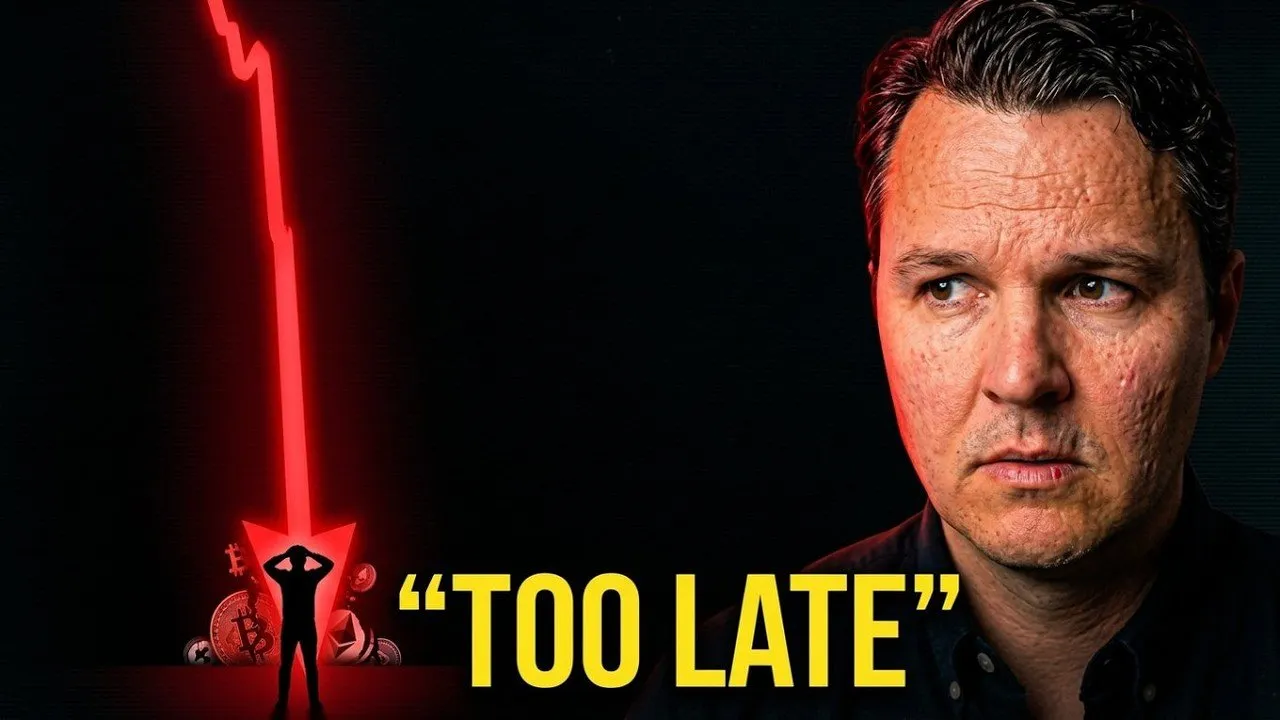
- Energy Market Fragility: Global oil prices have surged toward $112 per barrel, with analysts warning that further escalation could push prices toward $140–$200, threatening a global recession.
- Geopolitical Risk: Security concerns regarding the Strait of Hormuz—a critical chokepoint for approximately 20% of the world's oil and natural gas—remain the primary driver of market anxiety.
- Economic Contagion: International supply chains, particularly for fuel, are showing signs of stress, with reports indicating potential fuel shortages across Asia, Africa, and parts of Europe.
- Investor Sentiment: While institutional moves—such as BlackRock's integration of crypto assets into 401(k) plans—suggest long-term structural interest, immediate market behavior reflects a "risk-off" environment.
The Economic Implications of Regional Escalation
The core concern for market analysts is the potential for a multi-year structural energy deficit. As the conflict intensifies, the prospect of strikes on energy infrastructure—including refineries, pipelines, and desalination plants—presents a worst-case scenario for global inflation. Currently, the market is pricing in significant geopolitical risk, as traders interpret the current rhetoric as a precursor to a more aggressive campaign.
According to current energy assessments, the impact of a sustained disruption would be uneven. While the United States maintains a degree of energy independence, the global economy remains tethered to the stability of the Persian Gulf. Observers note that any significant, long-term closure of transit routes would effectively dismantle current economic recovery efforts, potentially leading to a period of contraction that could last several years.
"At $110 per barrel of oil, the global economy is breaking. If we go to $140, global recession is basically confirmed. If we go to $200, we are looking at a global depression, especially if critical production facilities across the Middle East are compromised."
Market Reaction and Sector Volatility
Financial markets are reflecting this uncertainty through erratic price action in both equities and digital assets. Cryptocurrency markets, which have historically been sensitive to liquidity conditions, are experiencing sharp fluctuations. Meanwhile, corporate strategies continue to diverge; while some firms are aggressively accumulating assets like Bitcoin, others are facing downward pressure as broader indices respond to the threat of a "risk-off" environment.
The ISM manufacturing PMI recently printed at 52.7%, indicating that the business cycle was showing signs of recovery prior to the latest round of tensions. However, economists warn that this progress is precarious. If energy prices continue to spike due to conflict-related supply chain failures, the cost of goods—particularly those dependent on diesel and industrial fertilizers—will likely force a new round of consumer price index spikes, further burdening the global economy.
The Outlook for Risk Assets
Despite the current climate of fear, certain institutional trends remain active. The potential for 401(k) access to Bitcoin and Ethereum is viewed by many as a long-term catalyst for institutional capital inflows. Analysts suggest that even a 1% allocation from the massive $10 trillion 401(k) market could create a significant "structural bid" for these assets. However, in the immediate term, capital preservation remains the priority for many traders until the trajectory of the Iranian conflict becomes clearer.
What Lies Ahead
The next two to three weeks are considered critical for both geopolitical and market outcomes. Should diplomacy fail to de-escalate the situation, the global economy faces the prospect of constrained energy supplies coinciding with high inflationary pressure. Conversely, any signal of a cooling-off period would likely trigger a rapid relief rally across risk assets.
Investors are advised to monitor the status of critical infrastructure in the Gulf and upcoming data points regarding fuel availability in major importing regions. Until concrete progress is made toward stability, the markets will likely continue to operate under a regime of heightened caution and volatility.