Table of Contents
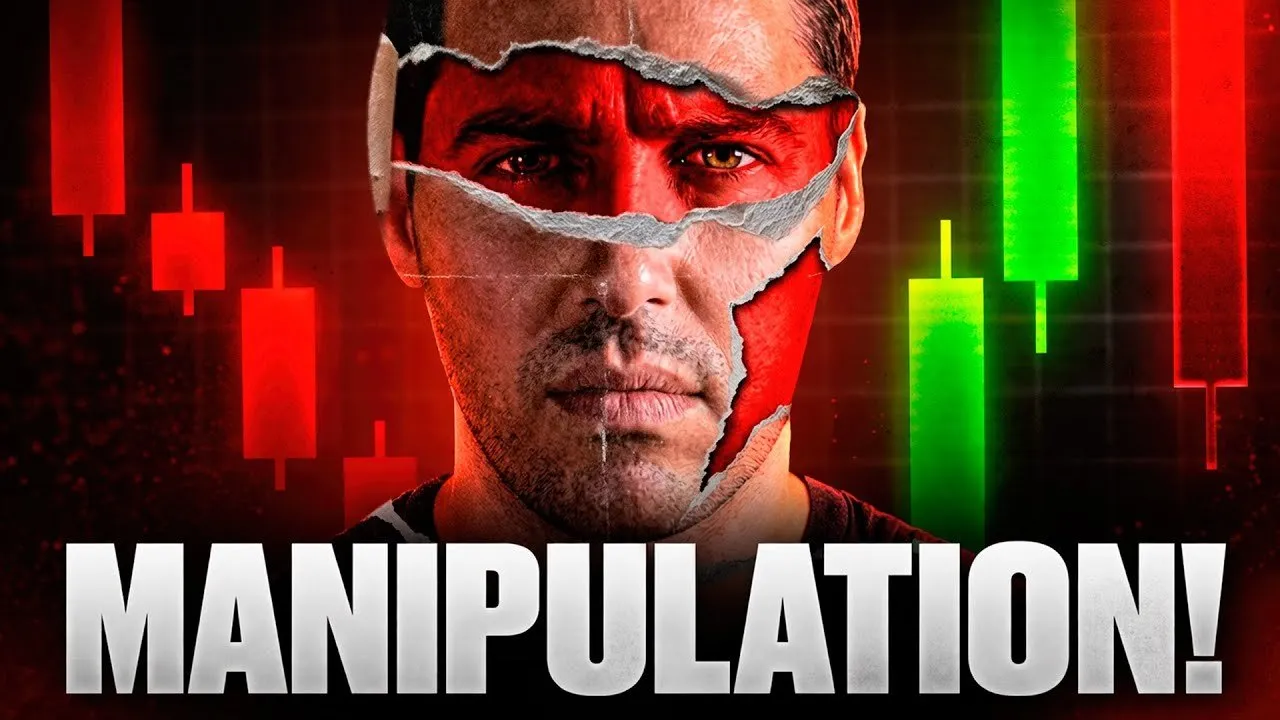
Financial markets are currently experiencing significant volatility as traders grapple with reports of suspected market manipulation linked to the Trump administration’s shifting rhetoric regarding geopolitical tensions in the Middle East. Following a series of contradictory statements on de-escalation, heavy trading volume in S&P 500 futures and oil markets has prompted concerns that insider activity is driving sudden, artificial price swings. These fluctuations have led to massive liquidations across indices and cryptocurrencies, leaving short-term traders struggling to navigate an environment where technical analysis is frequently disrupted by political headlines.
Key Points
- Strategic Manipulation: Observers report a $1.5 billion, single-order buy in S&P 500 futures immediately preceding news of a potential ceasefire, followed by a $200 million short position in oil.
- Market Fallout: Over $665 million in total long and short positions were liquidated in a 24-hour period, signaling high levels of instability.
- Institutional Skepticism: Veteran trader Peter Brandt and other market analysts have publicly questioned the integrity of current market movements, noting the lack of regulatory safeguards against political-linked future manipulation.
- Treasury Yields Rising: The 30-year US Treasury bond yield has climbed to 4.945%, a trend analysts suggest could exert further downward pressure on equity markets.
The Anatomy of Political Market Swings
The current market environment is defined by a "yo-yo effect," where statements on the conflict in the Middle East—ranging from 48-hour ultimatums to five-day extensions—create immediate, high-volume reactions. Technical analysts observe that these movements often align with unusually large notional value orders, suggesting that entities with advance knowledge of political announcements are positioning themselves to capitalize on the resulting price volatility.
For traders, this creates a "sell the news" dynamic where price rallies triggered by de-escalation headlines are often retraced within days. Because these moves are driven by exogenous political factors rather than fundamental economic data, traditional indicators often fail to predict the subsequent "dump" that follows the initial surge.
"I've traded futures markets for five decades. There is zero doubt in my mind that short selling on oil was insider trading. There is no law that prevents the Trump machine from manipulating futures markets; it is effectively legal." — Peter Brandt, Veteran Market Analyst
Implications for Investors and Asset Trends
The prevailing view among market experts is that these manipulated moves are insufficient to reverse broader, bearish trends currently affecting the S&P 500, NASDAQ, and Bitcoin. While temporary rallies may occur, the structural integrity of these markets appears compromised. Many institutional and retail traders are now shifting their focus toward high-timeframe analysis, as short-term trading has become increasingly precarious under current conditions.
The 18.6-year commodity cycle theory—which suggests we are currently in the "winner's curse" phase—points toward a period of tightening credit and dwindling liquidity. As the geopolitical situation remains volatile, the risk of "re-escalation" looms over the energy sector. Oil, in particular, remains a focal point; should the Straits of Hormuz remain a point of contention, supply chain disruptions regarding fertilizer and agricultural commodities could lead to systemic inflationary pressure, further complicating the economic outlook.
Looking Ahead: Navigating the Volatility
Investors are advised to exercise extreme caution as the market attempts to find its footing following the recent wave of liquidations. Analysts recommend focusing on key horizontal support levels and volume confirmation; if prices rise on diminishing volume, it is viewed as a high-probability signal of an impending breakdown rather than a true recovery.
Moving forward, the primary objective for market participants remains risk management. With credit conditions tightening and the potential for erratic policy-driven shifts continuing, the focus should be on liquidity preservation rather than chasing speculative "home run" trades. The market will likely continue to range as it digests the recent manipulation, with the next significant trending move expected to materialize once the current geopolitical uncertainty settles into a clearer, more predictable trajectory.