Table of Contents
In a rapidly shifting geopolitical landscape, the intersection of technology, military strategy, and corporate governance has reached a boiling point. The current administration’s approach to foreign policy—specifically regarding Iran—has raised serious questions about institutional norms, the erosion of Congressional oversight, and the unpredictable nature of modern "workshopping" of war plans. Meanwhile, in Silicon Valley, the relationship between federal agencies and tech giants is creating a new class of corporate winners and losers, fundamentally altering how investors view the stability of American markets.
Key Takeaways
- Erosion of Oversight: Critics and lawmakers alike express concern over the executive branch’s tendency to bypass Congressional authority when initiating military actions.
- Market Instability: The weaponization of regulatory power against private tech companies like Anthropic is causing investors to fear a broader "multiple contraction" in U.S. markets.
- The Cost of "Forever Wars": Foreign interventions are not only financially draining the U.S. Treasury but are also disrupting global supply chains and energy prices.
- Corporate Complicity: Silicon Valley’s deep entrenchment in government contracts has created a divide between firms prioritizing profit and those attempting to maintain ethical boundaries.
The Chaos of Executive War-Making
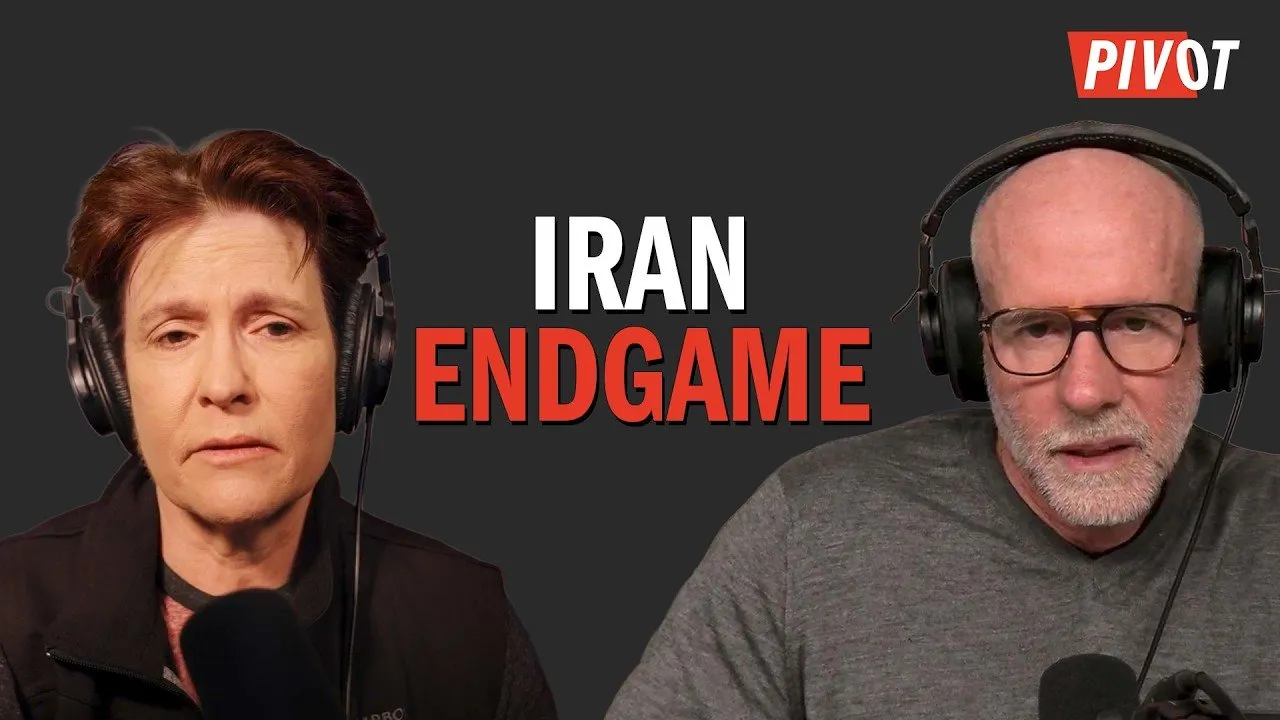
The current administration’s strategy toward Iran has been described as haphazard at best. By citing "imminent threats" without providing transparent evidence to Congressional oversight committees, the President is effectively operating without the traditional checks and balances designed to prevent reckless military escalation. As noted during recent discussions, the lack of a clearly articulated "offramp" or defined strategic objective suggests that the administration may be testing various narratives to justify ongoing military strikes.
The notion that we're going to end up after Trump is gone, we have to be thoughtful about how we improve the tensil strength of our democracy by stopping the slow but steady leak of power from Congress to the president.
This "workshopping" of foreign policy—often influenced by a small circle of advisors rather than a consensus of national security experts—mirrors a broader trend of bypassing the 535 members of Congress who are constitutionally mandated to have a say in matters of war. This centralization of power leaves both allies and citizens in a state of dangerous uncertainty.
Economic Ripple Effects and the Straits of Hormuz
Military aggression in the Middle East carries immediate, tangible consequences for the global economy. The conflict has already impacted the Straits of Hormuz, a critical artery for nearly one-fifth of the world’s oil supply. When energy security is threatened, inflationary pressures follow. While some argue that U.S. energy independence buffers the domestic economy, the reality is that global supply chain strains and the uncertainty of a sustained conflict create volatility that markets cannot easily ignore.
The Disconnect Between Spending and Strategy
There is a glaring inconsistency within the current political discourse. We see a strong isolationist rhetoric coming from the far-right, yet this is coupled with support for a trillion-dollar military budget. If the nation truly intends to pivot away from foreign "adventures," the logical path would involve a significant reduction in military spending rather than continued, expensive interventions that offer no clear path to stability.
Corporate Murder: The Silicon Valley Beef
The federal government’s decision to phase out the use of Anthropic products due to disagreements over safety and Pentagon integration has been characterized by industry insiders as "attempted corporate murder." This move, seemingly driven by personal rivalries and political favoritism, sets a precarious precedent. When government agencies begin picking winners and losers based on which CEOs are willing to play ball, it undermines the rule of law that has long made the U.S. an attractive hub for global capital.
When government starts selectively punishing and rewarding companies based on political favoritism, that capital gets scared and starts withdrawing.
The contrast between companies like Anthropic, which is standing its ground against regulatory overreach, and those like OpenAI, which appears more willing to align with the current administration to secure contracts, is deepening. This isn't just a corporate drama; it is a signal to investors that U.S. tech stocks, once considered the gold standard of stability, may be entering a period of multiple contraction.
The Future of Media and Institutional Power
The shifting sands of the media landscape—evidenced by Netflix’s exit from the Warner Bros. bidding war and the subsequent surge in their stock price—suggest that the era of massive, legacy media conglomerates may be waning. As these industrial brands struggle with debt and a shrinking creative talent pool, power is diffusing toward smaller, more agile entities. The decline of traditional network influence is opening a vacuum, offering an opportunity for new models of journalism and content creation to flourish without being saddled by the whims of political donors or the "blood sugar level" of the President.
Conclusion
The combination of unchecked executive power in foreign policy and the politicization of market access is creating a fragile environment for the American economy. As we look toward the future, the stability of our democracy and our markets will depend on returning to consistent, systemic applications of law. Whether through structural reform of Congress's war powers or a renewed commitment to market neutrality, the path forward requires a move away from the current chaos toward a more predictable, evidence-based approach to governance.