Table of Contents
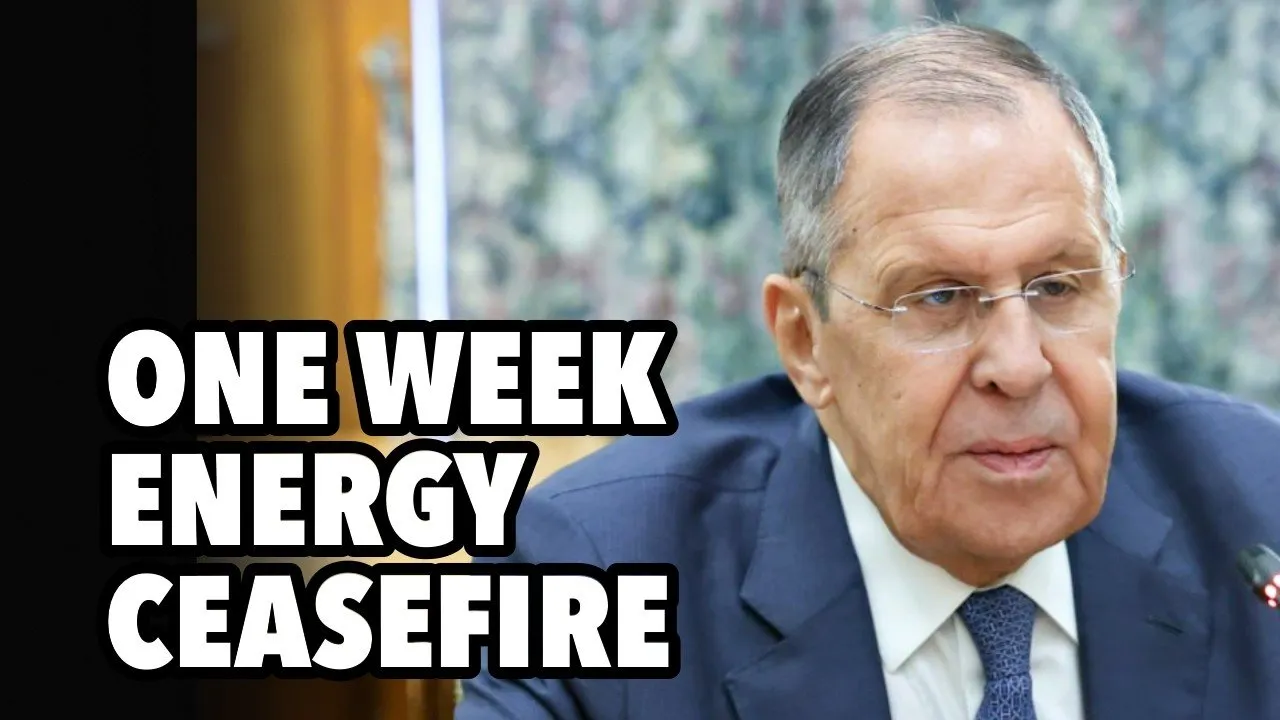
The recent announcements regarding a temporary energy truce in Ukraine have exposed significant fractures in the current diplomatic landscape. While claims of a breakthrough emerged from Washington, the subsequent clarifications from Moscow and the apparent confusion in Kiev paint a picture of disjointed communication. What was presented as a cohesive diplomatic achievement appears, upon closer inspection, to be a fragile arrangement characterized by conflicting narratives and a fundamental lack of consensus on long-term security guarantees.
Key Takeaways
- The Truce Discrepancy: While Washington claimed a significant diplomatic win, the Kremlin clarified that the energy truce was limited to only seven days and denied a direct phone call between leaders occurred.
- Kiev Out of the Loop: President Zelensky’s public statements suggest he was not informed of the truce details beforehand, learning of the arrangement largely through media channels.
- Security Deadlock: Despite US claims that security guarantees are nearly agreed upon, Russian officials vehemently deny seeing any such documents and remain committed to their original demands for Ukrainian neutrality.
- Negotiation Hazards: The current diplomatic approach—promising different outcomes to different parties—risks eroding trust and prolonging the conflict rather than resolving it.
The Anatomy of the "Energy Truce"
The narrative surrounding the energy truce began with a bold announcement from Donald Trump, asserting that he had leveraged his relationship with Vladimir Putin to secure a halt on strikes against energy infrastructure due to severe winter weather. Trump framed this as a favor granted by the Russian President, implying a direct and successful negotiation.
However, the narrative from Moscow quickly diverged. After a period of silence, Kremlin spokesman Dmitry Peskov confirmed a truce but with significant caveats. Peskov specified that the agreement was limited to a mere seven days, ending on February 1st, and primarily covered Kiev. Crucially, the Kremlin contradicted the impression that a direct conversation had taken place.
"Trump implied that there'd been a telephone call between Putin and Trump... The Russians are very clear that there has been no telephone call between Putin and Trump."
This discrepancy suggests a tactic of "bouncing" the opposing party into an agreement. It appears the US administration may have sent a written request which the Russians, perhaps for their own strategic reasons, decided to accommodate retroactively, effectively backdating the truce to match the request. Militarily, this short pause changes very little on the ground, as drone attacks have continued and the damage to the energy grid remains extensive.
Zelensky and the Information Gap
Perhaps the most telling aspect of this episode is the reaction from Ukrainian President Volodymyr Zelensky. Despite the high-level maneuvering, Zelensky’s public comments indicated he was unaware of the specifics of the truce until the news broke publicly. While he later posted a message of gratitude on social media, the timing and content of his statements revealed a disconnect.
Zelensky’s subsequent pleas for EU funding and Patriot missile systems contradict the idea of a stable ceasefire. If a robust truce were in place, the immediate urgency for defensive systems might arguably look different. Instead, Zelensky continues to operate as though the conflict is proceeding without pause, highlighting his isolation from the core negotiations happening between Washington and Moscow.
The Confusion in Abu Dhabi
Reports suggest that during meetings in the UAE, Ukrainian and American delegations pushed for a comprehensive, lasting energy truce. The Russian response was reportedly a firm refusal. The subsequent emergence of a "seven-day truce" seems to be a face-saving compromise engineered by Washington to show progress where there was arguably none. Zelensky’s lack of prior knowledge underscores that key decisions are increasingly being made over his head.
The Standoff Over Security Guarantees
Beyond the temporary energy truce, a deeper chasm exists regarding long-term security guarantees. American officials, including Marco Rubio, have indicated that security agreements with Ukraine are nearly finalized, suggesting a framework involving US intelligence backing and potential European "boots on the ground" to enforce a ceasefire.
The Russian response to these assertions has been uncompromising. High-ranking officials, including Foreign Minister Sergey Lavrov and UN Representative Vasily Nebenzia, have stated unequivocally that they have not agreed to any such guarantees. Furthermore, they claim they have not even been shown the documents Washington refers to.
Moscow’s position remains anchored to the "Istanbul Formula" from April 2022, which demands strict neutrality for Ukraine. The idea of Western security guarantees effectively acting as a NATO proxy is viewed by the Kremlin as a non-starter. The rhetoric from Russian diplomats has hardened, aiming to dispel any illusion that they are preparing to make concessions.
The Dangers of Disjointed Diplomacy
The current diplomatic strategy employed by Western negotiators appears to rely on compartmentalization—telling each party what they wish to hear to keep them at the table.
- To Europe and Ukraine: The US promises security guarantees, intelligence backstops, and support for European troop deployments.
- To Russia: The US reportedly signals agreement on withdrawal requirements and distinct terms, without mentioning the promises made to Kiev.
This approach creates a dangerous illusion of progress. By securing agreement from the US, UK, France, and Ukraine on a deal that Russia has not seen—and would likely reject—negotiators are building a consensus in a vacuum. When the disparate narratives eventually collide, the result is often a total breakdown of trust.
Conclusion
The "energy truce" ending on February 1st serves as a microcosm of the broader conflict: a situation defined by miscommunication, unilateral announcements, and a lack of genuine consensus. While Washington attempts to project an image of rapid diplomatic success, the reality on the ground is far more ragged. With Russia digging in on its demands for neutrality and Zelensky sidelined from key decisions, the war continues to grind on, fueled by a negotiation process that has yet to bridge the fundamental gaps between the warring parties.