Table of Contents
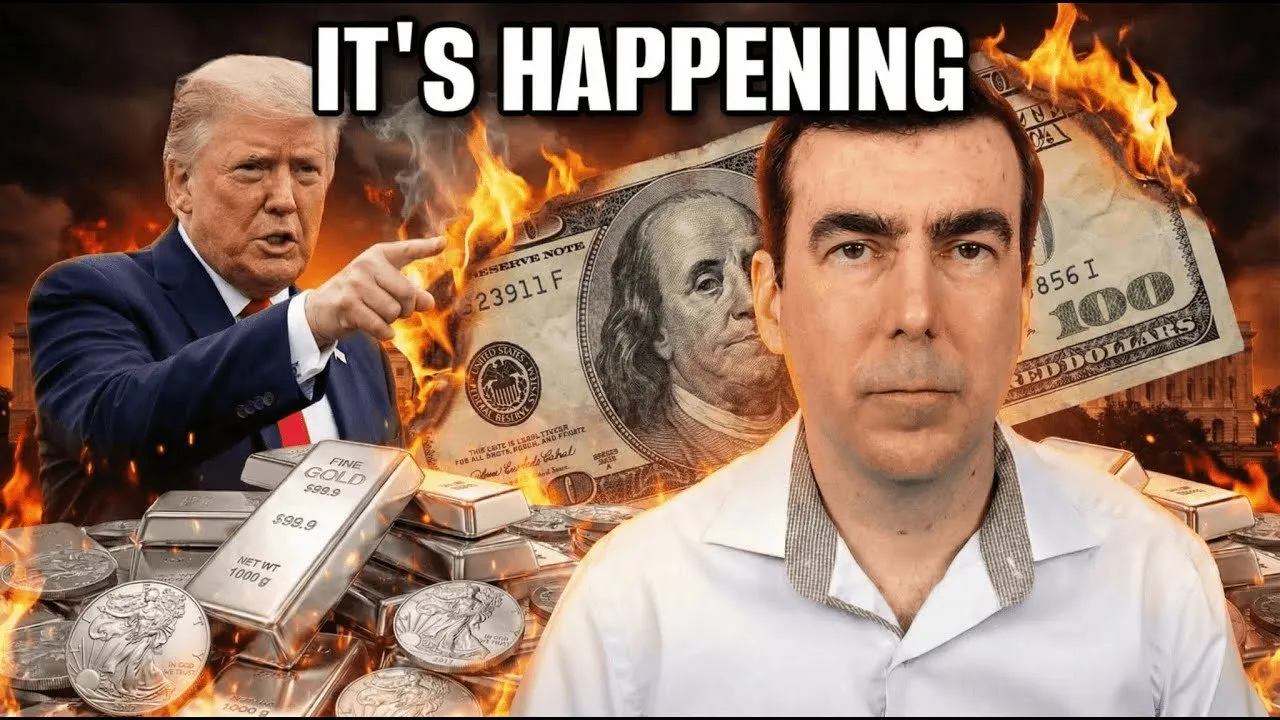
President-elect Donald Trump’s recent comments favoring a weaker U.S. currency have triggered a sharp market reaction, sending the dollar to a four-year low and fueling investor concerns regarding intentional currency debasement. While the administration suggests a softer dollar will reinvigorate American manufacturing, financial analysts warn the move could backfire by spiking import costs, increasing inflation, and driving foreign capital away from U.S. Treasuries.
Key Points
- Currency Plunge: The Bloomberg Dollar Index fell to its lowest level in nearly four years following Trump’s remarks in Iowa.
- Commodities Surge: Investors are piling into "debasement trades," driving gold and silver prices toward record highs as safe-haven hedges.
- Policy Conflict: Tension is emerging between the President’s preference for a weaker currency and Treasury Secretary Scott Bessent’s "strong dollar" stance.
- Economic Risk: Analysts project that while domestic manufacturers might see marginal gains, the broader economy faces risks of import-led inflation and rising unemployment.
The Shift Toward Dollar Debasement
In comments made to reporters in Iowa, President-elect Trump stated that the dollar’s recent decline is "great for U.S. businesses." Markets interpreted these remarks not merely as observation, but as policy validation, signaling an administrative intent to weaken the greenback to correct perceived trade imbalances. This sentiment was immediately reflected in currency markets, with traders aggressively shorting the dollar against a basket of global currencies.
According to market data, the U.S. dollar is currently viewed as overvalued on a purchasing power parity basis against most G10 currencies, particularly the Japanese yen and the euro. While the administration argues that correcting this imbalance will level the playing field for U.S. exporters, historical data suggests the correlation is not guaranteed. Analysis of durable goods orders and export volumes during previous periods of dollar weakness indicates that currency devaluation does not automatically translate to increased demand, especially in a slowing global economy.
Inflationary Pressures and Recession Risks
The immediate threat posed by a rapidly weakening dollar is the rising cost of imports. As the world’s largest importer, the U.S. faces the prospect of higher prices for everyday goods at a time when consumer demand is already fragile. Analysts warn that if wages fail to keep pace with these rising costs, the economy could contract.
Recent economic data highlights a concerning divergence: rising inflation coupled with reduced working hours for production employees. Historically, this pattern acts as a precursor to recession. Although a weaker dollar may theoretically create jobs over the long term, the short-term shock to purchasing power could accelerate economic downturns before any manufacturing renaissance takes hold.
Foreign Capital and The "Strong Dollar" Conflict
A significant structural risk involves the massive foreign ownership of U.S. assets, which totaled over $27 trillion as of late last year. Japanese investors, who represent the largest overseas holders of U.S. Treasuries, are particularly sensitive to currency fluctuations. A weakening dollar reduces the returns on these assets, potentially triggering a repatriation of capital back to Japan and Europe.
This dynamic places Treasury Secretary Scott Bessent in a difficult position. Unlike the President, Bessent has publicly advocated for a "strong dollar policy" to ensure continued foreign investment in U.S. debt.
"The U.S. has always had a strong dollar policy, particularly as the world's reserve currency. We absolutely are not intervening in the currency market... We're not planning to dump dollars at all."
Despite these assurances, the market is betting against the Treasury’s ability to maintain a strong dollar amid ballooning deficits and potential fiscal stimulus measures. If foreign buyers retreat from the bond market, interest rates could spike, forcing domestic investors to absorb the debt and potentially triggering a correction in equity markets.
Commodities Outlook and Investment Implications
The "debasement trade" has lit a fire under precious metals. Gold continues to surge as global central banks and private investors seek alternatives to fiat currency. Silver is also projected to see substantial gains, with Citi analysts forecasting spot prices could reach record highs in the coming months.
For investors, the current environment suggests a pivot away from unhedged equities and into defensive positions. Strategies include:
- Sector Rotation: Moving capital from banking and technology sectors into utilities and healthcare.
- Precious Metals: Dollar-cost averaging into gold and silver, though analysts warn of volatility.
- Cash Alternatives: Shifting cash positions into short-term Treasuries to mitigate currency erosion.
As the administration prepares to implement its economic agenda, the tension between stimulating exports via a weak dollar and maintaining the capital flows necessary to fund U.S. debt will remain a primary driver of market volatility in the coming quarters.