Table of Contents
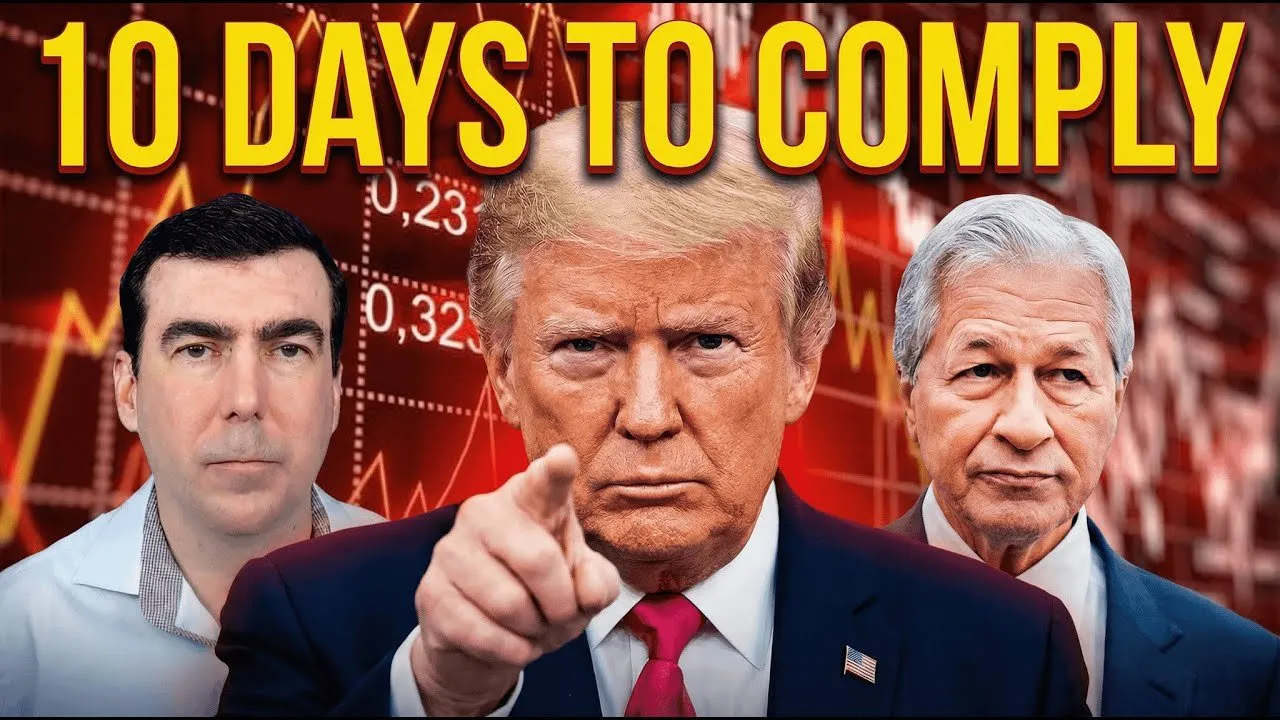
President-elect Donald Trump has issued a directive requiring major financial institutions to cap credit card interest rates at 10 percent for one year starting January 20, a move that has sparked immediate backlash from the banking sector and raised concerns among economists regarding credit availability. While the proposal aims to alleviate financial pressure on consumers facing high inflation and debt, industry leaders warn that such a drastic reduction from the current average of nearly 21 percent could inadvertently trigger a credit contraction and accelerate a recessionary environment.
Key Points
- The Directive: President Trump demanded lenders like JPMorgan Chase, Capital One, and Citigroup cap credit card rates at 10% for one year.
- Industry Response: Banking associations warn that artificial caps will force lenders to restrict access to credit for millions of higher-risk borrowers.
- Market Context: The current average credit card interest rate is approximately 21%, while the net yield on card loans for major banks hovers near 9.7%.
- Economic Risk: Analysts project that tightening lending standards in response to the cap could suppress consumer spending and precipitate a broader economic downturn.
Industry Pushback and Liquidity Concerns
The proposed rate cap represents a significant disruption to the current lending model. With the federal funds rate currently sitting between 3.25 percent and 3.5 percent, a hard cap of 10 percent on unsecured debt drastically compresses the profit margins banks use to offset the risk of default. Financial institutions have long argued that high rates on unsecured credit are necessary to cushion losses when borrowers fail to pay, as there are no assets—such as homes or vehicles—to repossess.
The Bank Policy Institute and the Consumer Bankers Association have issued strong warnings regarding the feasibility of the mandate. They argue that evidence suggests a 10 percent cap would force banks to reduce credit availability, potentially devastating 13.4 million American families and small business owners who rely on credit cards for liquidity.
"Institutions will not be able to offer credit cards to most consumers at a 10% rate." — Scott Simpson, President of America's Credit Unions
The implication is that banks would be forced to limit credit offerings strictly to their highest-tier customers—those who need borrowing privileges the least—while cutting off access for working-class Americans. This "flight to quality" effectively removes a financial lifeline for consumers already struggling with inflation.
The Macroeconomic Impact: A Catalyst for Recession?
While the directive is positioned as relief for consumers, financial analysts suggest it could trigger a classic "credit crunch." In a debt-based economy, the expansion of credit fuels growth, while its contraction often signals a recession. Historical data indicates that when banks tighten lending standards for commercial and industrial loans, consumer demand drops, leading to economic slowdowns.
Current economic indicators are already flashing warning signs. The Conference Board’s Leading Economic Index (LEI) declined for a second consecutive month in September, and the labor market remains soft, with the Bureau of Labor Statistics reporting only 50,000 jobs created in December—far below the 150,000 needed to keep pace with population growth.
Analysts note a paradox in the proposed policy: attempting to lower costs for consumers may result in banks tightening standards to protect their balance sheets. As delinquencies on consumer loans rise, banks historically retreat from lending and move capital into safer government securities.
"A 10% cap would mean the end of credit cards for most consumers except those who need them the least." — Matthew Goldman, Founder of Totavi
Banking Strategy and Market Outlook
Despite the looming regulatory pressure, major banks have posted record profits, with the KBW Bank Index climbing nearly 40 percent since November. However, the threat of a rate cap is altering institutional behavior. Data shows that domestic banks have begun tightening standards for commercial loans and increasing their holdings of Treasury securities—a defensive maneuver often seen prior to economic contractions.
For investors, this shift suggests a need to reassess exposure to the financial sector. If the administration enforces the 10 percent cap, bank earnings could suffer a direct hit, prompting a sell-off in the sector. Market strategists advise diversifying away from cyclical stocks and technology, which are sensitive to consumer spending, and moving toward defensive sectors such as utilities, healthcare, and short-term Treasuries.
As the January 20 implementation date approaches, the standoff between the administration and the banking sector will likely intensify. The outcome will determine whether consumers receive momentary relief or face a sudden tightening of the credit markets that could tip a fragile economy into recession.