Table of Contents
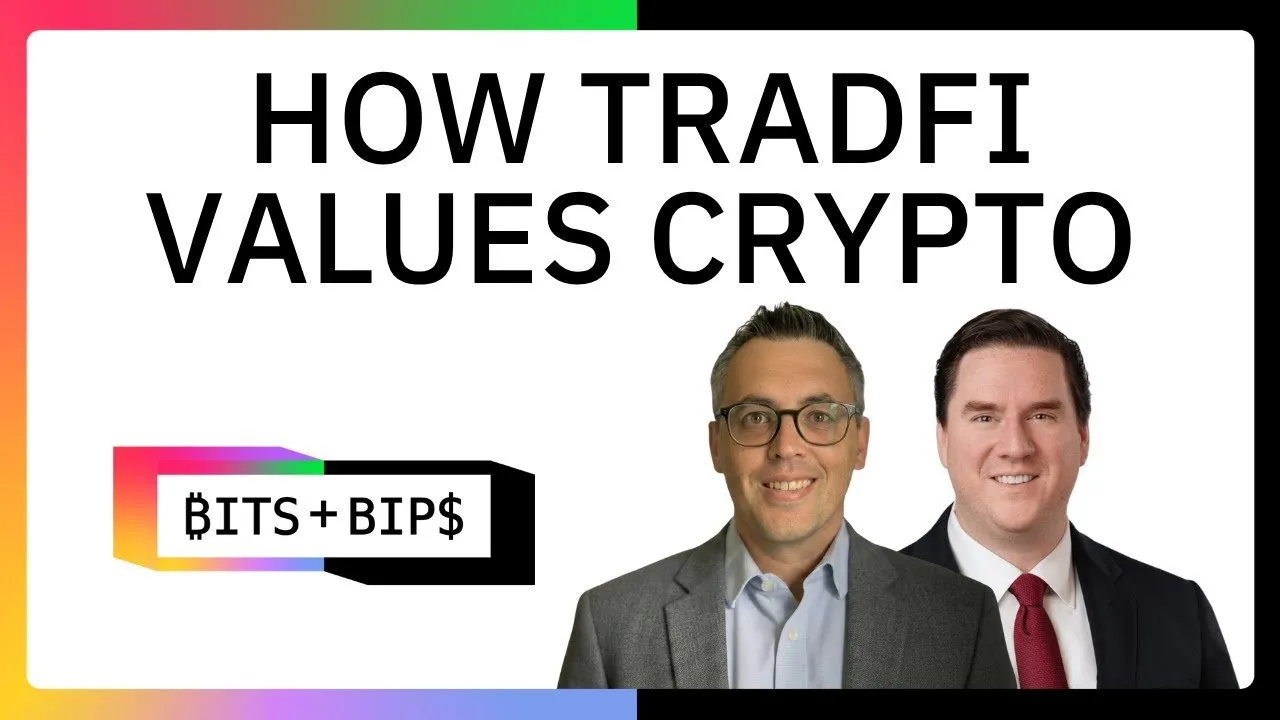
The traditional financial world, often referred to as TradFi, has long maintained a skeptical distance from the volatile cryptocurrency market. However, as global economic conditions shift—marked by rising energy costs and the specter of oil hitting $100 per barrel—institutional perspectives are undergoing a significant transformation. Investors are increasingly viewing digital assets not merely as speculative toys, but as distinct financial instruments that correlate with broader macroeconomic trends.
Key Takeaways
- Institutional investors are shifting their view of crypto from a speculative niche to a macro-sensitive asset class.
- Rising energy costs, specifically oil prices near $100, create a direct ripple effect on digital asset mining and network security.
- TradFi firms are applying traditional valuation metrics, such as stock-to-flow and energy-cost modeling, to assess Bitcoin's long-term utility.
- Portfolio diversification strategies now frequently include digital assets as a hedge against fiat currency devaluation.
The Interplay Between Energy Markets and Digital Assets
The relationship between commodity prices and digital assets is often misunderstood. Critics argue that crypto markets operate in a vacuum, yet empirical evidence suggests otherwise. When oil prices spike, the cost of electricity—the lifeblood of Bitcoin mining—inevitably rises. This creates a fascinating feedback loop between global energy dependency and decentralized network security.
Energy Cost as a Floor Price
In traditional finance, we often look at the cost of production to determine the intrinsic value of a commodity. For Bitcoin, energy is the production cost. As energy prices climb toward the $100-per-barrel threshold, miners face tighter margins. This forces the network to become more efficient, effectively raising the cost basis of the supply. Institutional analysts are now using these energy models to predict price support levels during market downturns.
"The convergence of energy markets and digital ledger technology represents the next frontier in institutional asset valuation."
TradFi's Evolving Valuation Models
For decades, Wall Street relied on discounted cash flow (DCF) models to value traditional equities. Applying these to digital assets has been notoriously difficult due to the lack of traditional dividends or revenue streams. However, firms are becoming more sophisticated, moving toward a hybrid approach that integrates network utility metrics with macroeconomic indicators.
Applying Macro-Analytical Tools
Institutional interest is surging in how digital assets react to inflationary pressures. Unlike gold, which is physically finite, Bitcoin is programmatically finite. This programmatic scarcity, when measured against the backdrop of a weakening dollar and rising oil prices, makes it an attractive alternative in a diversified portfolio. TradFi is no longer asking if crypto has value, but how to accurately measure its role in a high-inflation environment.
Geopolitics and the Institutional Shift
The geopolitical landscape plays a massive role in how TradFi approaches crypto. When trade routes are threatened or when energy suppliers restrict output, institutional investors look for assets that are censorship-resistant and borderless. This shift is driving a new wave of capital allocation into the sector, as major funds look for ways to insulate themselves from centralized geopolitical shocks.
"Digital assets offer a neutral platform for value transfer in an increasingly polarized global economy."
Assessing Systemic Risk
Despite the optimism, institutional players remain cautious. They are conducting deep due diligence on exchange liquidity, regulatory clarity, and custody solutions. The transition from speculative retail interest to institutional stability is not without risk, but the integration is now well underway, signaled by the arrival of ETFs and regulated derivatives products.
The Future of Institutional Crypto Exposure
As we look ahead, the integration of traditional financial tools and digital assets seems inevitable. The goal is no longer just to buy and hold, but to integrate crypto into broader wealth management strategies. Whether oil prices stay high or stabilize, the underlying technological infrastructure of blockchain has proven its resilience. Institutional capital is not just following the price; it is following the utility and the persistent demand for a decentralized financial alternative.
"Integration is not an event, but a gradual process of institutional maturation in the digital age."
Ultimately, the marriage of TradFi and crypto is being forced by a changing macro environment. By treating digital assets as a legitimate part of the global economic machinery, institutional investors are signaling that crypto has reached a level of maturity that can no longer be ignored. Investors who adapt to this new, blended understanding of value will likely be the ones to navigate the coming economic cycles with the greatest success.
![Warning TRUMP: This Is Very Dangerous [It’s Starting]](/content/images/size/w1304/format/webp/2026/04/trump-middle-east-market-volatility-oil-prices.jpg)