Table of Contents
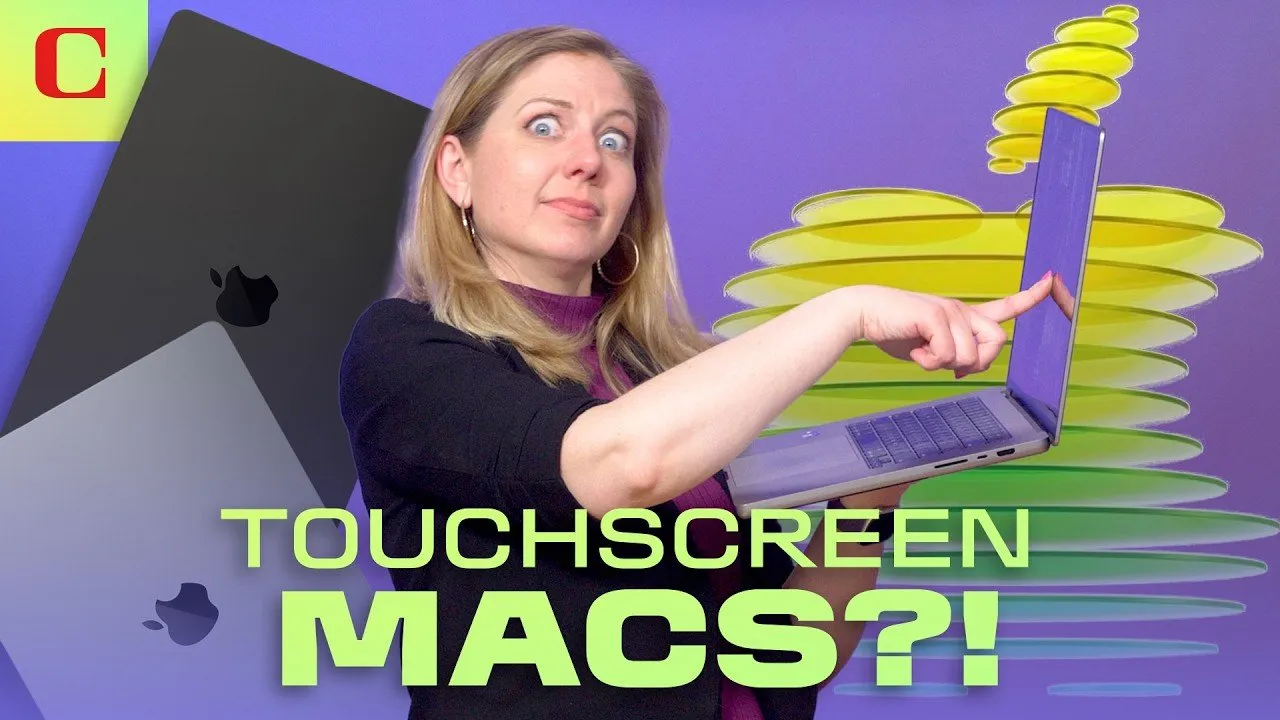
Apple is reportedly preparing a significant shift in its hardware strategy by developing its first touchscreen MacBook Pro, according to recent reports from Bloomberg. This anticipated move, slated for as early as 2026, would see the tech giant embrace a feature it has publicly dismissed for over a decade in favor of trackpad-centric navigation. The transition signals a broader effort to unify the user experience across the iPhone, iPad, and Mac ecosystems.
Key Points
- Touchscreen technology is expected to debut on 14-inch and 16-inch MacBook Pro models by 2026.
- New displays will likely utilize OLED technology, moving away from current mini-LED configurations.
- Software adjustments may include a "Dynamic Island" for Mac and context-specific touch menus to maintain ergonomic comfort.
- An upcoming Apple event on March 4th is expected to reveal more immediate hardware updates, including the iPhone 17e and a budget-friendly MacBook revival.
A Departure from Traditional Design Philosophy
For years, Apple executives have remained steadfast in their opposition to vertical touchscreens on laptops. This stance was famously established by co-founder Steve Jobs, who argued that the ergonomics of reaching out to touch a vertical display were fundamentally flawed.
"It doesn’t work. It’s ergonomically terrible. Touch surfaces don’t want to be vertical. It gives great demo, but after a short period of time, you start to fatigue and after an extended period of time, your arm wants to fall off."
Despite these historical reservations, the boundary between macOS and iPadOS has continued to blur. Current reports suggest that Apple is developing a specialized interface to avoid the "gorilla arm" effect Jobs feared. Rather than replacing the mouse and trackpad, the touch interface is designed to complement existing workflows. Bloomberg indicates that the system may feature a new type of menu that appears around a user's finger to provide relevant commands, ensuring the software remains optimized for precision rather than just large touch targets.
Upcoming Hardware and the March 4th Event
While the touchscreen Mac remains a long-term goal, Apple is moving forward with an aggressive hardware refresh this spring. An event scheduled for March 4th in New York City is expected to showcase several key updates across the mobile and tablet lines. Analysts anticipate the debut of the iPhone 17e, positioned as a new entry-level model featuring the A18 chip and enhanced front-facing cameras.
Expanding the Entry-Level Portfolio
A major highlight of the upcoming announcement could be the revival of a base-model MacBook. Rumors suggest a starting price point near $700, aimed at capturing the education and budget-conscious markets. This device may break from Apple’s traditional professional aesthetics by offering a variety of vibrant color options, potentially mirroring the palette of the iMac or earlier iBook models.
iPad and Intelligence Integration
The tablet lineup is also due for a performance boost. Both the base iPad and iPad Air are expected to receive processor upgrades to the A18 series. This move is strategically significant as it would bring Apple Intelligence—the company’s suite of AI-driven features—to the most affordable devices in the catalog, ensuring that its software ecosystem remains accessible to a wider demographic.
As Apple prepares for its March event, the focus remains on how the company will balance its legacy of hardware-software separation with the increasing consumer demand for cross-platform functionality. Following the initial product announcements, the tech industry will be watching closely for further technical specifications regarding the 2026 MacBook Pro and the potential for a complete macOS interface overhaul.