Table of Contents
We live in a culture that often confuses emotional suppression with maturity. We are taught to view composure as a badge of honor and to treat vulnerability as a liability—a weakness to be filtered out before we present ourselves to the world. But what if the very thing we are trying to protect ourselves against is the only path to true strength? Embracing vulnerability isn't about being fragile; it is about having the courage to speak your truth when it feels most terrifying.
Key Takeaways
- Vulnerability is not weakness; it is the fundamental requirement for authentic courage and connection.
- Toxic stoicism—the practice of emotional detachment—often serves as a defense mechanism rather than a sign of resilience.
- True resilience is the ability to feel deep emotions while still choosing to act in your own best interests.
- Intimacy is inherently linked to self-disclosure; you cannot be known by others if you refuse to be seen.
The Myth of Controlled Composure
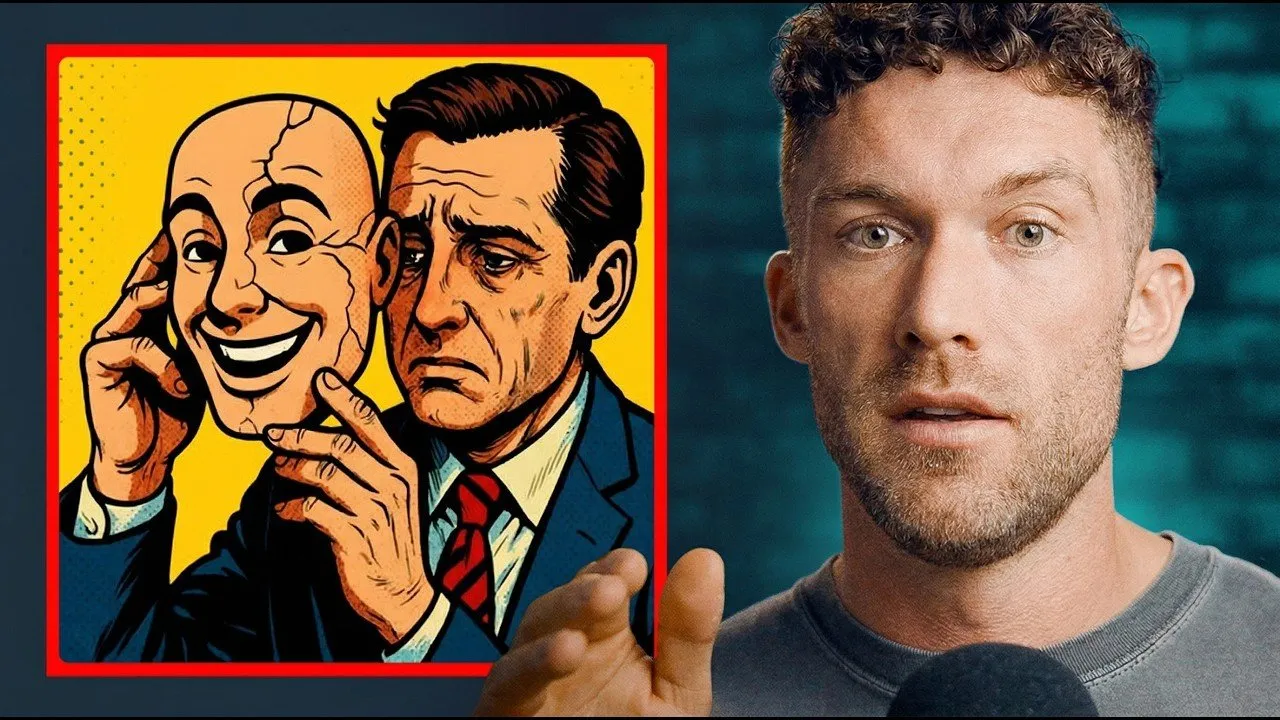
Society is quick to praise those who remain unflappable, labeling emotional detachment as discipline or professionalism. However, this is often "avoidance rebranded." When we fear vulnerability, we turn our inner lives into a minefield, tiptoeing around our own emotions as if they were threats. This leads to a hollowed-out version of life where we perform composure while quietly breaking on the inside.
The Danger of Emotional Suppression
Suppression is frequently mistaken for strength. People pride themselves on feeling "as little as possible," convinced that restraint is synonymous with resilience. But as the author Mark Manson aptly notes, true resilience isn't about ignoring pain or being impervious to challenges. It is about feeling the full weight of your experience while remaining capable of moving forward.
Resilience is about people who feel their feelings deeply but are able to act despite them in their best interests.
Vulnerability as an Act of Rebellion
If you are not willing to be seen—messy, unfiltered, and unfinished—you are not truly living. Choosing presence over protection is a radical act. It is a rebellion against the pressure to maintain a perfectly curated exterior. When you speak your truth, you aren't just being honest; you are reclaiming your humanity in a world that often rewards performance over sincerity.
Why We Fear Being Seen
The core of our fear is rarely the emotion itself; it is the fear of how that emotion will be received. We are afraid of grieving, not because of the sadness, but because we fear being judged or abandoned by those we share it with. We learn early on that silence is a form of safety, and as adults, we carry that conditioning, apologizing for our needs before we even have the courage to voice them.
The Paradox of Authenticity
We exist in a society obsessed with the idea of authenticity but deeply terrified of the practice of sincerity. We celebrate performative rawness—the "behind-the-scenes" snapshots that are actually carefully orchestrated—because they feel safe. True sincerity, however, is uncomfortable. It makes demands on us. It leaves no room for us to hide.
- Authenticity is often used as a brand; sincerity is a commitment to truth.
- Performative rawness is "safe" because it is controlled; real vulnerability is risky because it is authentic.
- When someone shows genuine, deep emotion, it often triggers those who are busy numbing their own feelings.
- Jealousy, pity, or discomfort often arise as defense mechanisms when we witness someone else being truly brave.
Choosing Connection Over Isolation
Intimacy only exists to the degree that we are willing to reveal ourselves. Whether it is our anger, joy, desire, or boundaries, our connections are limited by our own walls. Every time you hide your true self out of fear of shame, you block the potential for genuine intimacy. The more you expose, the closer you become; the less you show, the more distant you grow.
Intimacy only exists to the degree that you reveal yourself, your sadness, anger, joy, desires, boundaries, everything.
This is particularly challenging for men, as many definitions of masculinity still hold emotional control as a core tenet. Yet, the choice remains the same for everyone: do you want to be known, or do you want to be protected? Being "brave" without experiencing fear is impossible. Bravery requires uncertainty and the risk of exposure. By choosing to stay open, you aren't choosing to be fragile; you are choosing to be fully alive.
Conclusion
Vulnerability is not a symptom of weakness—it is the prerequisite for a meaningful life. When you speak your truth despite the fear, you move away from the life of a "philosophical zombie"—someone who mimics the motions of living without actually feeling the pulse of existence. The world may be uncomfortable with your sincerity, but that is a reflection of its own limitations, not yours. Choose to be the one who goes first, stays open, and lets the full weight of the human experience shape you, rather than harden you.