Table of Contents
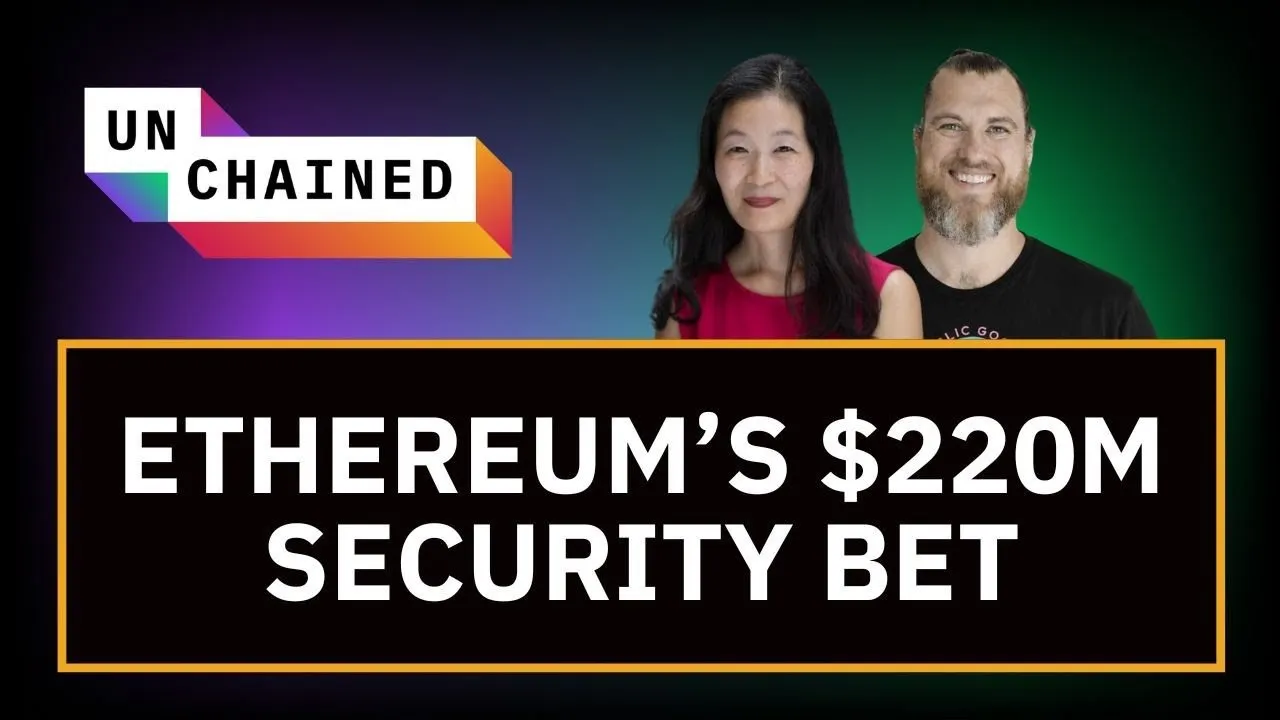
In 2016, the collapse of The DAO was arguably Ethereum’s first existential crisis. A massive hack drained millions of dollars, leading to a contentious hard fork and the birth of Ethereum Classic. Nearly a decade later, in a stunning "full circle" moment, the unclaimed funds from that historic event have been repurposed. Griff Green, a co-founder of the original project, has announced the launch of The DAO Security Fund. By utilizing approximately $250 million in residual assets, this new initiative aims to transform the ecosystem's approach to safety, striving to make storing assets on Ethereum safer than keeping them in a traditional bank.
Key Takeaways
- The DAO is Back: Unclaimed funds and "extra balance" ETH from the 2016 DAO hack have been consolidated into a ~$250 million endowment dedicated to Ethereum security.
- Sustainable Funding Model: The fund will stake 69,420 ETH, using the generated yield (approximately $8 million annually at current rates) to finance security grants without depleting the principal.
- Focus on User Safety: The mandate prioritizes solving wallet UX issues, supporting "Seal 911" emergency services, and eliminating the vulnerabilities associated with hot wallets.
- High-Profile Governance: The fund is overseen by seven curators, including Vitalik Buterin, Taylor Monahan, and Griff Green, employing decentralized voting mechanisms for fund allocation.
- Claims Remain Open: Despite the new usage of funds, original DAO token holders can still claim their refunds indefinitely.
From Existential Crisis to Security Endowment
For those who were not present during the early days of Ethereum, The DAO was intended to be a revolutionary decentralized venture fund. It raised $150 million—a staggering amount at the time—before falling victim to a reentrancy attack. While the subsequent hard fork allowed many users to recover their funds, the recovery process was complex. It left behind significant "dust" in the form of unclaimed refunds and an "extra balance" created during the token sale's escalating price phase.
According to Griff Green, these leftover funds, which were worth roughly $6 million at the time, have appreciated massively. Today, they represent a treasury of roughly $200 million to $250 million. Rather than letting these assets sit idle in aging smart contracts, the curators have decided to activate them for the public good.
I really want to see the DAO Security Fund help Ethereum come to the place where people feel that it's safer to store assets on Ethereum than in a bank.
The transition resolves a long-standing vulnerability. The funds were previously held in a simple, years-old multisig wallet, potentially susceptible to modern security threats or key loss. By migrating these assets to a modern infrastructure and staking them, the group secures the principal while creating a perpetual revenue stream for the ecosystem.
The Funding Model: Staking for Security
The DAO Security Fund operates less like a venture capital firm and more like a university endowment. The core strategy involves staking a specific sum of Ether—69,420 ETH—to generate network rewards. At current staking yields, this is expected to produce roughly $8 million per year to distribute as grants.
This approach offers two distinct advantages:
- Longevity: By spending only the yield, the fund ensures it can support Ethereum security initiatives indefinitely.
- Incentive Alignment: The fund actively secures the Ethereum network through staking while simultaneously funding off-chain and protocol-level security improvements.
Green emphasized that the fund will start slowly to ensure operational discipline, avoiding the "spending spree" mistakes common to many DAO treasuries. The goal is to become a shelling point for security research, helping projects find funding not just from The DAO Security Fund, but from the broader ecosystem.
Indefinite Claims for Original Owners
A crucial ethical component of this transition is the treatment of the original fund owners. Green and the curators have ensured that claims remain open indefinitely. If an original DAO token holder returns to the space years from now, their ETH will still be available for withdrawal. The fund is essentially putting the capital to work while it sits unclaimed.
Targeting the "Hot Wallet Bug"
While the fund supports deep technical infrastructure—such as zero-knowledge EVM (zkEVM) research and smart contract auditing tools—its primary focus is the end-user experience. The current state of crypto security places an immense burden on the individual, a reality Green describes as a systemic failure.
I feel like we've been kind of stuck in a rut for the last six years... not making major progress on improving security for the normal lay person to feel comfortable putting their life savings into crypto assets.
The interview highlighted a controversial but critical perspective: hot wallets are a bug. Browser-based wallets that store private keys on a device connected to the internet fuel a massive cybercrime industry. As long as keys reside in browsers, users are susceptible to phishing and malware.
The fund aims to support initiatives that:
- Promote the adoption of hardware wallets and dedicated signing devices.
- Improve Account Abstraction to enable safer login methods (e.g., Google credentials) that do not expose private keys.
- Fund frontline defense initiatives like SEAL 911, a volunteer group of white hats who assist users during active hacks.
- Develop educational tools like Red Guild’s "Phishing Dojo."
Governance and the Curators
The governance structure of The DAO Security Fund bridges the gap between the "OG" Ethereum developers and modern security experts. The original curators, including Vitalik Buterin and Vlad Zamfir, are moving into an oversight role to ensure the mission remains aligned with Ethereum's values.
A new set of seven active curators has been appointed to manage the fund's operations:
- Vitalik Buterin: Ethereum co-founder.
- Griff Green: Co-founder of Giveth and long-time DAO steward.
- Taylor Monahan: Founder of MyCrypto and security lead at MetaMask (expert in asset recovery).
- Alex Van de Sande: UX designer and ENS co-founder.
- Jordi Baylina: zkEVM expert and white hat veteran.
- Lanski: CEO of DappNode (focusing on node security).
- PC: Co-founder of SEAL 911.
True to its name, the fund will not simply hand out grants via a centralized committee. Instead, it will utilize DAO-native distribution mechanisms such as Quadratic Funding, Retroactive Public Goods Funding, and Conviction Voting. This strategy aims to revitalize the DAO ecosystem by proving that decentralized coordination tools can be more effective than corporate governance.
Conclusion: A Legacy of Resilience
The launch of The DAO Security Fund marks a maturing of the Ethereum ecosystem. It transforms a symbol of failure—the 2016 hack—into a permanent engine for resilience. By securing the very assets that were once vulnerable, and using them to protect future users, Griff Green and his fellow curators are closing a decade-long chapter.
For developers and users alike, the message is clear: the "move fast and break things" era must give way to a culture of robust security. Whether through funding better wallet interfaces or supporting white hat volunteers, the fund represents a $250 million bet that Ethereum can become the safest financial network in the world.