Table of Contents
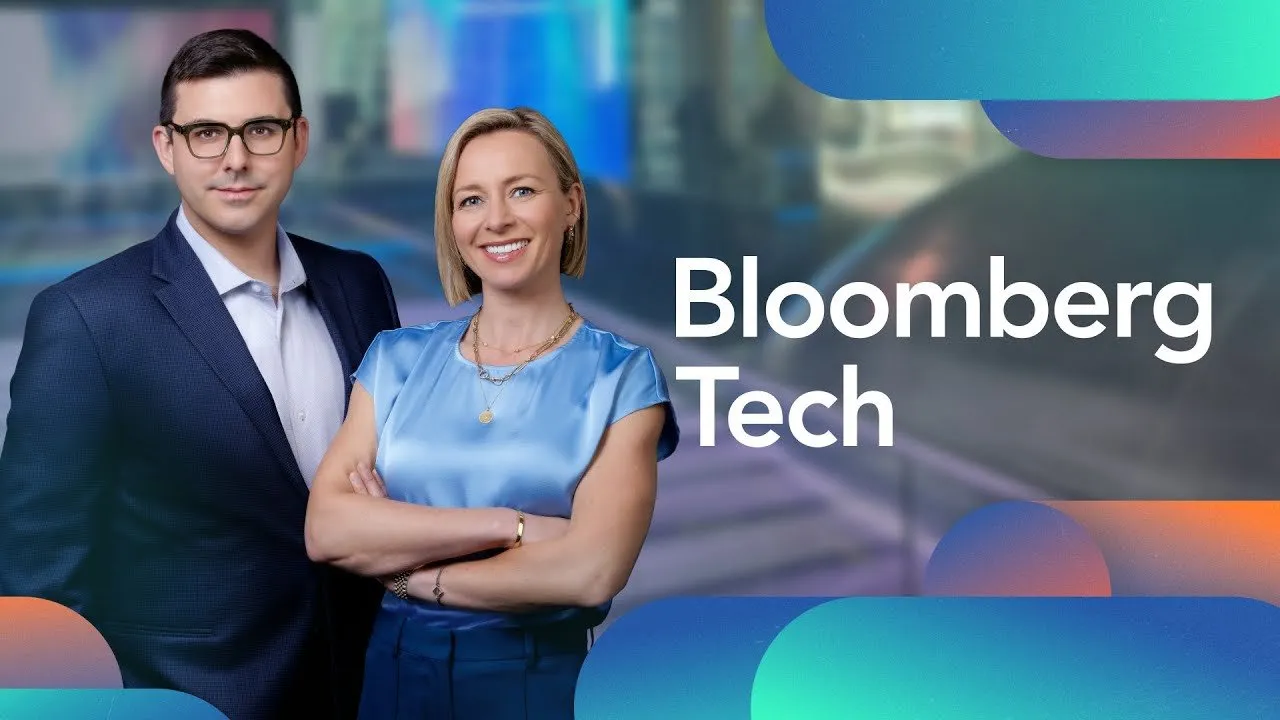
Global markets faced significant volatility on April 2, 2026, as geopolitical tensions in the Middle East intensified and investors reacted to disappointing quarterly performance from Tesla. While technology stocks initially stumbled, they pared losses following reports that Iran is drafting a protocol with Oman to oversee maritime traffic through the Strait of Hormuz. Amidst this backdrop, NASA successfully launched the Artemis II mission, signaling a pivotal step in the agency’s lunar exploration roadmap.
Key Points
- Tesla reported a significant sales miss, delivering 358,000 vehicles against Wall Street expectations of 372,000.
- Geopolitical unrest near the Strait of Hormuz continues to drive market uncertainty, impacting oil prices and tech sector valuations.
- NASA’s Artemis II crew successfully achieved Earth orbit and is preparing for the critical burn to reach lunar trajectory.
- Fintech leader Chime announced the launch of Chime Prime, aiming to challenge traditional banking institutions through aggressive cash-back incentives.
- Kyndryl unveiled Agentic Service Management, a suite designed to help enterprises scale AI integration within legacy infrastructure.
Market Volatility and Geopolitical Headwinds
The Nasdaq 100 experienced a sharp intra-day whipsaw, falling more than 2% early in the session before recovering to trade roughly 0.3% lower by the afternoon. Analysts suggest that the market’s sensitivity to Middle Eastern headlines is overshadowing fundamental concerns regarding AI spending and sector valuations. With President Trump indicating potential escalation regarding Iranian energy infrastructure, investors remain cautious, particularly with oil prices climbing amid supply concerns.
The closure or disruption of the Strait of Hormuz remains a primary concern for hardware and chip manufacturers, who rely on specific industrial gases like helium. Bloomberg equity reporters noted that the correlation between geopolitical headlines and tech stock performance has reached new heights, making it difficult for investors to determine long-term valuation models.
Tesla Faces Sales and Strategic Hurdles
Tesla shares fell approximately 4% following the company's disclosure of one of its weakest sales quarters in recent years. Analysts at Cox Automotive pointed to a lack of product freshness and increasing global competition—particularly from Chinese automakers—as key drivers for the shortfall. Despite the ambition surrounding future projects like the Cybercab and humanoid robotics, the company’s immediate revenue relies heavily on an aging lineup of the Model 3 and Model Y.
"It is still what pays the bills. Everyone is excited about robo-taxis. They’re excited about humanoid robots. But those are still really concepts," said Craig Trudeau, global business editor at Bloomberg.
Experts suggest that for Tesla to turn around its current trajectory, it must pivot toward more affordable EV options, as the current market in the United States is increasingly sensitive to interest rates and the absence of certain tax credits. Ben Kallo, a senior research analyst, noted that the company’s capital expenditures—expected to reach $20 billion this year—necessitate robust auto and energy storage sales to maintain liquidity.
NASA’s Artemis II Progress
The Artemis II mission has reached a critical stage following its successful launch. The crew, currently operating in an elliptical orbit, is preparing to execute a engine burn that will propel the Orion spacecraft toward the far side of the moon. According to Bloomberg Tech’s Ed Ludlow, this phase of the mission is essential for mapping lunar resources, including water and minerals, which are seen as strategic assets for future space-based operations.
Outlook for Enterprise Tech and Banking
As corporations grapple with how to effectively deploy AI, service providers are shifting their focus from simple productivity gains to infrastructure modernization. Kyndryl CEO Martin Schroeter emphasized that while AI interest is at an all-time high, the world's existing enterprise infrastructure is largely ill-equipped for Agentic AI. The firm’s new service management suite aims to bridge this gap, allowing companies to scale AI while maintaining security and performance.
Looking ahead, investors are closely monitoring Microsoft’s capital allocation under CFO Amy Hood, whose disciplined approach to data center investment has become a benchmark for the industry. As the tech sector navigates a landscape of increased AI-related layoffs and shifting regulatory environments, the ability of firms to translate AI enthusiasm into tangible cash flow will likely define the market performance through the remainder of 2026.
![Warning TRUMP: This Is Very Dangerous [It’s Starting]](/content/images/size/w1304/format/webp/2026/04/trump-middle-east-market-volatility-oil-prices.jpg)