Table of Contents
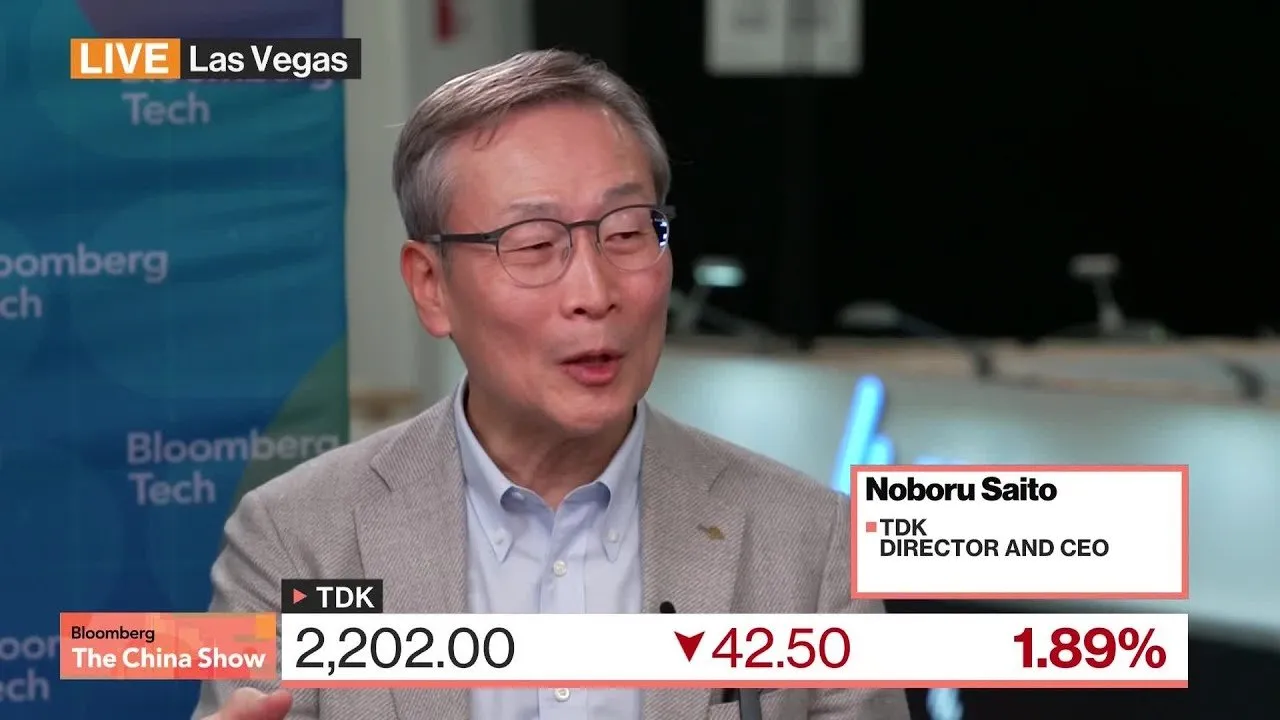
Japanese electronics giant TDK is accelerating its transition from a legacy media brand to a critical backbone of the augmented reality sector, announcing new energy and sensor solutions designed specifically for next-generation smart glasses. Speaking on the company's strategic roadmap, TDK leadership outlined a push into high-density silicon anode batteries and eye-tracking systems intended to power the burgeoning wearable ecosystem, positioning the firm as a key enabler behind major consumer tech hardware.
Key Points
- Smart Glass Pivot: TDK introduced "Eyesight," a core solution integrating eye-tracking intent with sensor technology for the AR/VR market.
- Battery Breakthroughs: Fourth-generation silicon anode batteries are scheduled for release mid-fiscal term (targeting June), following a third generation that boosted energy density by 50%.
- Financial Sensitivity: Management revealed that a single yen fluctuation against major currencies impacts the company’s operating profit by approximately ¥2 billion.
- Market Outlook: Despite global pricing challenges, the company describes the U.S. market outlook for 2026 as "dynamic," with a continued focus on expanding its B2B ecosystem.
Powering the "Inside" of the Metaverse
While historically synonymous with cassette tapes, TDK ceased magnetic tape manufacturing over a decade ago to reinvent itself as a comprehensive B2B technology provider. The company’s latest strategic pivot focuses on supplying the critical infrastructure required for smart glasses, a market segment heavily reliant on miniaturization and power efficiency.
The centerpiece of this initiative is a new platform dubbed "Eyesight." This solution combines TDK’s micro-electro-mechanical systems (MEMS) sensors with software to facilitate human-centric interactions, specifically interpreting "eye intent." By integrating these sensors with microphones and power storage, TDK aims to capture a significant share of the component market for wearable displays.
"The message we are delivering is that tech is an enabler and TDK is committed to shape a front leading... You’re not necessarily manufacturing the smart glasses, but being inside means everything."
The company is currently consolidating resources from recent software and semiconductor acquisitions to create a unified solution stack. This integration merges custom chips, cameras, and sensor data to support the complex processing requirements of augmented reality devices.
Next-Generation Energy Density
The viability of smart glasses hinges on battery life—a challenge TDK is addressing through its silicon anode battery technology. The company confirmed that its third-generation batteries, released in the middle of last year, achieved a 50% increase in energy density compared to previous iterations.
Looking ahead, TDK is preparing to launch its fourth-generation battery technology in the middle of the upcoming fiscal term, specifically targeting June. These advancements are critical for manufacturers seeking to reduce the weight and bulk of wearables without sacrificing performance. Research and development for a fifth generation is already underway, with the company promising continuous improvements in capacity.
"High density energy is very important. And being able to fit everything in a very tiny little equipment... We keep carefully investigating, checking the actual demand. But what I want to emphasize is that... the higher energy density, high end kind of batteries we keep promoting."
Economic Headwinds and Opportunities
Beyond product innovation, TDK faces a complex macroeconomic environment characterized by currency volatility and fluctuating demand. Management noted the extreme sensitivity of their bottom line to foreign exchange rates, stating that a change of just one yen can alter operating profits by ¥2 billion. While a weaker yen generally favors Japanese exporters, the volatility requires constant monitoring.
Geographically, China remains a primary revenue driver, but the company sees significant growth potential in the Western markets. Describing the U.S. market outlook for 2026 as "dynamic," leadership expressed optimism that the growth of the tech ecosystem would transcend regulatory hurdles or tariff challenges.
Moving forward, TDK plans to maintain its aggressive R&D schedule, focusing on the "uncontrollable" factors of market demand by controlling what they can: the steady release of higher-performance components that define the capabilities of future consumer electronics.