Skip to content

Psychology

Why People Are So Confident When They're Wrong

Why People Are So Confident When They're Wrong

In 1992, Nick Leeson hid a trading error, convinced he could fix it. Instead, he toppled Barings Bank. This wasn't just fraud; it was overconfidence bias. This cognitive trap convinces us our intuition outweighs facts, affecting everyone from traders to drivers.
Members Public
How to Make Every Day Feel So Good You Forget to Scroll

How to Make Every Day Feel So Good You Forget to Scroll

Most believe scrolling is just killing time, but philosopher Byung-Chul Han argues it’s a symptom of a reality lacking depth. The solution isn't more discipline—it's creating an offline life so rich, sensory, and vibrant that the digital world loses its grip.

Members Public
Why Don’t You Have Sex With Your Sister? - Dr Debra Lieberman

Why Don’t You Have Sex With Your Sister? - Dr Debra Lieberman

From an evolutionary perspective, nature needs more than family trees to prevent inbreeding. Dr. Debra Lieberman explains the "kin detection system"—subconscious software that tracks childhood cues to increase altruism and trigger sexual disgust toward siblings.

Members Public
When enough is enough | Andy Johns (ex-FB, Twitter, Quora)

When enough is enough | Andy Johns (ex-FB, Twitter, Quora)

Andy Johns was a legendary growth leader at Facebook and Twitter, but behind the success, he was unraveling. After a severe collapse at 35, he walked away from millions to heal. This is his story of overcoming the addiction to achievement and finding peace.

Members Public
How I Learned To Stop Fighting Myself

How I Learned To Stop Fighting Myself

Joe Hudson’s journey is a testament to the messy, rewarding process of self-discovery. From hitchhiker to VC, he shares the emotional and embodied work required to stop fighting your inner critic and live a life of authentic connection and purpose.

Members Public
7 Signs Your Reality Is About to Change - Carl Jung

7 Signs Your Reality Is About to Change - Carl Jung

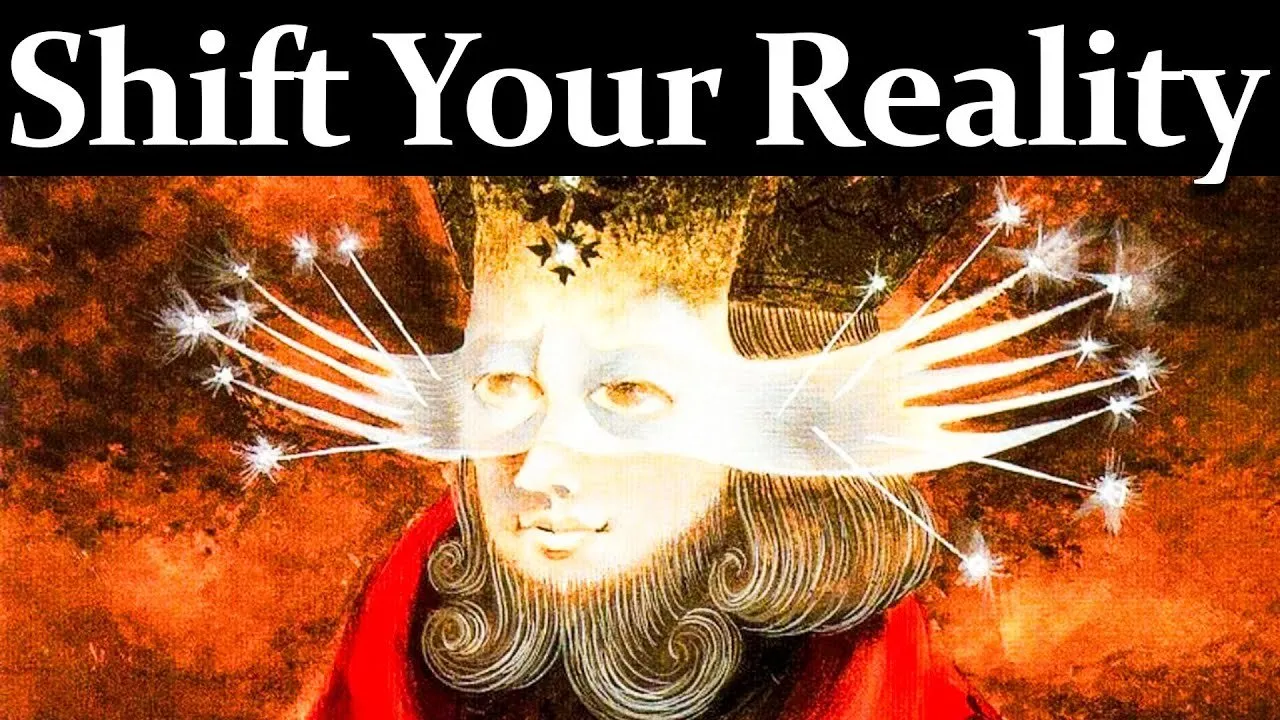
When motivation fades and strategies fail, it isn't regression. Carl Jung called it enantiodromia: the psyche's demand for transformation. Your unconscious is signaling that your current identity has reached its limit. Here are 7 signs your reality is about to change.

Members Public
Boundaries, Solved: How to Set (And Keep) Your Boundaries This Year

Boundaries, Solved: How to Set (And Keep) Your Boundaries This Year

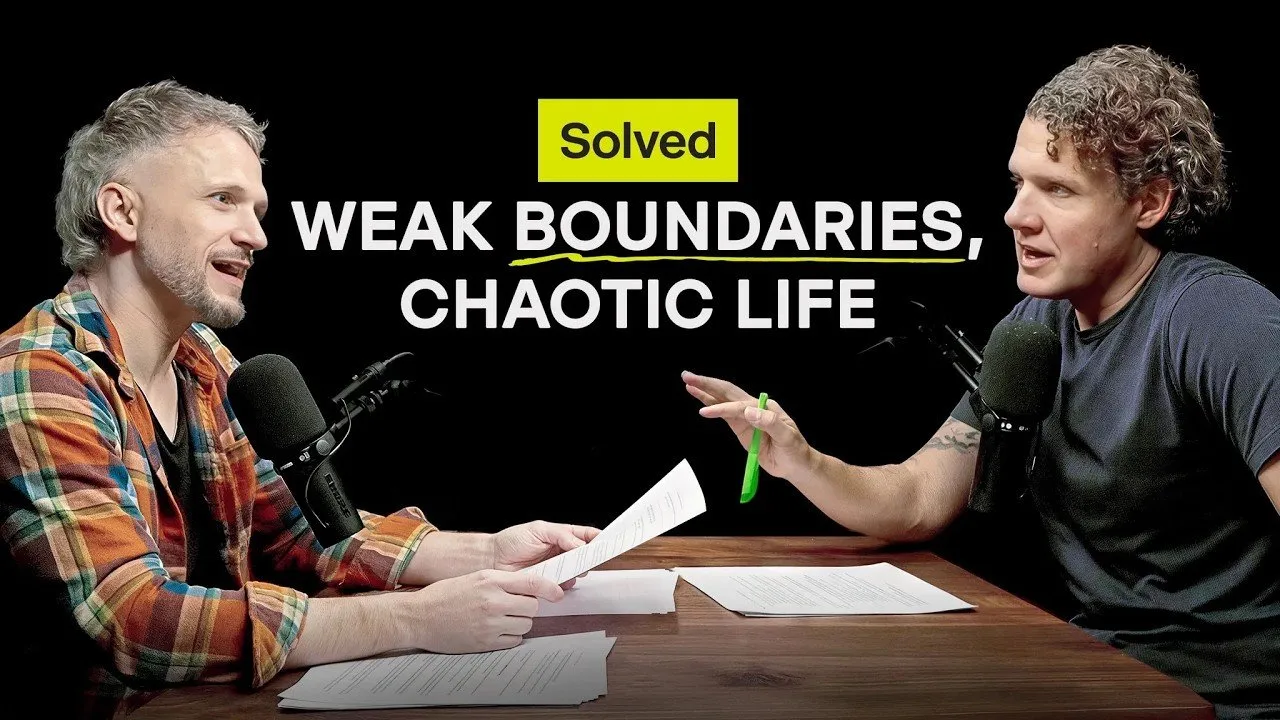
Boundaries aren't weapons for control; they define who you are. Without them, we risk burnout and resentment. This guide explores the psychology and practical application of setting limits that protect your values, paving the way for authentic connection and self-respect.

Members Public
James Clear: How to Build Good Habits & Break Bad Ones

James Clear: How to Build Good Habits & Break Bad Ones

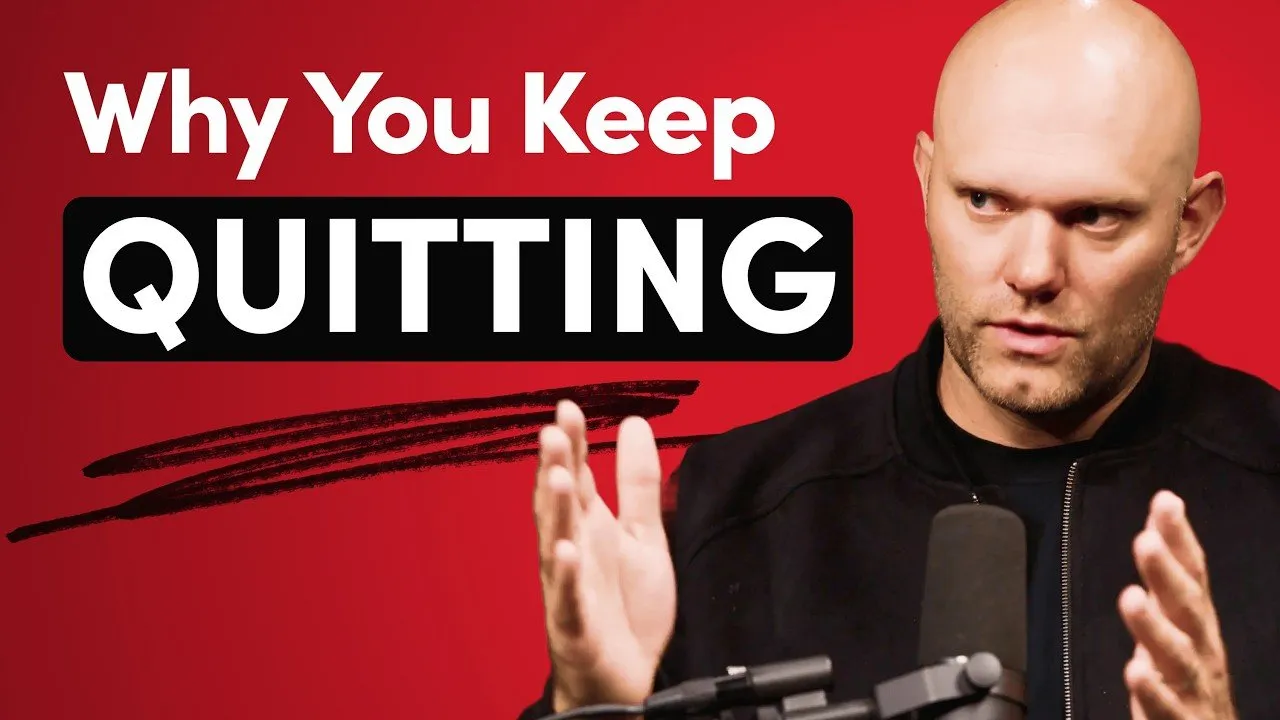
Forget willpower. James Clear, author of Atomic Habits, reveals that success is about design, not grit. Discover how standardizing behavior, optimizing your environment, and shifting your identity can help you build good habits and break bad ones for good.

Members Public
4M Subscriber Q&A

4M Subscriber Q&A

Celebrating 4 million subscribers, this Q&A peels back the curtain on high-performance media. We discuss the personal toll of public success, genetic predispositions, and the philosophical underpinnings of happiness while navigating the complexities of the human experience.

Members Public
Joe Rogan Experience #2432 - Josh Dubin

Joe Rogan Experience #2432 - Josh Dubin

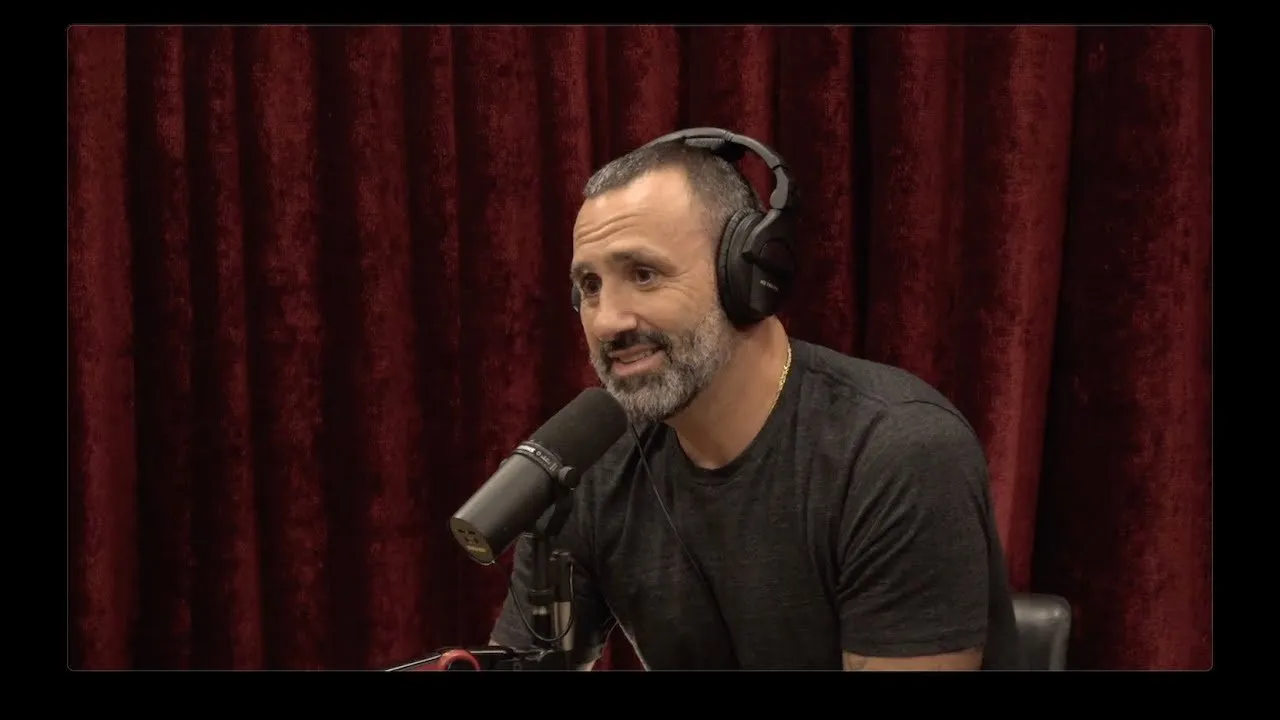
Josh Dubin returns to discuss increasingly complex wrongful conviction cases, from DNA theft schemes involving Marvel executives to corrupt detectives with 21 overturned cases, revealing how the justice system's inability to admit fault extends beyond courtrooms.

Members Public
A Christmas Gift From Us To You

A Christmas Gift From Us To You

Stop running from difficult emotions. Learn how emotional inquiry transforms fear, anger, and pain through gentle curiosity and body awareness. Discover how to shift from avoidance to excitement when facing triggering feelings.

Members Public
How to Hack Your Brain to Stop Self-Sabotaging

How to Hack Your Brain to Stop Self-Sabotaging

Why do smart, motivated people sabotage themselves? It's not weakness—it's neuroscience. Your brain wages war between rational thinking and primitive survival instincts. Discover how dopamine, willpower depletion, and evolutionary programming fuel self-destructive patterns.

Members Public