Skip to content

Psychology

7 Things to Tell Yourself Every Day

7 Things to Tell Yourself Every Day

When life feels heavy, we often forget our own power. To snap out of a funk, you need 'emotional jumper cables'—undeniable truths to jolt you back to reality. Discover 7 daily reminders designed to shift your perspective, stop the anxiety spiral, and help you regain control.

Members Public
Why is this number everywhere?

Why is this number everywhere?

Pick a number between 1 and 100. Did you say 37? You aren't alone. A massive survey reveals that 37 is the most frequent choice due to how human brains simulate randomness. Learn about the "Blue-Seven" effect and why prime numbers trick us into feeling unpredictable.

Members Public
These Illusions Fool Almost Everyone

These Illusions Fool Almost Everyone

Our ears aren't just microphones; they are active interpreters. From creating low notes that don't exist to infinite musical staircases, audio illusions reveal how our brains construct sound. Discover the hidden machinery behind human perception.

Members Public
Why Democracy Is Mathematically Impossible

Why Democracy Is Mathematically Impossible

The claim that democracy is mathematically impossible isn't cynicism; it's logic. We explore the math behind decision-making, the flaws of First Past the Post and Ranked Choice Voting, and whether a truly fair election is just a theoretical dream.

Members Public
Pushing The Limits Of Extreme Breath-Holding

Pushing The Limits Of Extreme Breath-Holding

Most people panic after a minute without air, but elite breath-holders like Brandon Birchak override this instinct. By mastering the mammalian dive reflex and CO2 tolerance, they push human limits. This deep dive explores the chemistry and psychology behind surviving underwater without air.

Members Public
The Problem With IQ Tests

The Problem With IQ Tests

While IQ tests aim to measure the "g-factor," the reality is fraught with controversy. From predictive limitations to the dark legacy of eugenics, we look beyond the number to understand what is actually being measured—and why a single score cannot define your intellectual destiny.

Members Public
The Expert Myth

The Expert Myth

Expertise isn't magic or raw IQ—it's a structural change in long-term memory. While the "10,000-hour rule" is famous, time alone doesn't create mastery. Without deliberate practice, experience can lead to stagnation rather than improvement. Discover the real science of skill.

Members Public
The Illusion Only Some People Can See

The Illusion Only Some People Can See

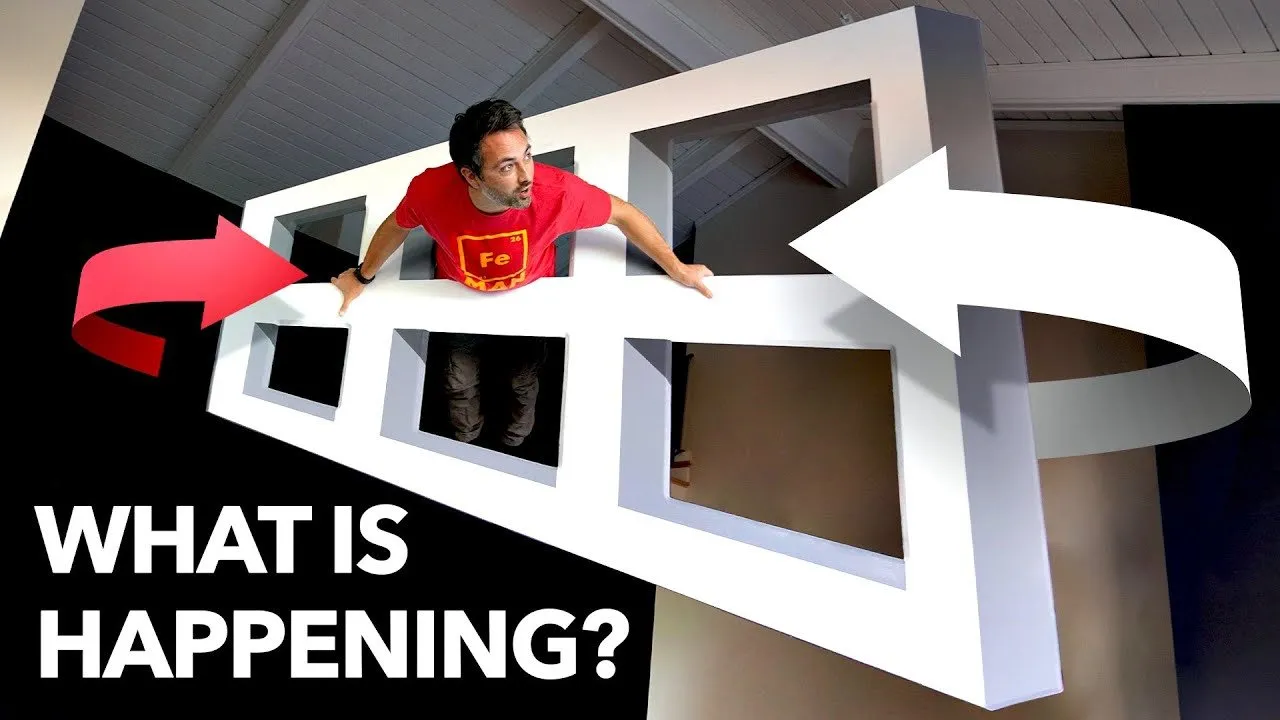
The Ames Window is a mind-bending optical illusion where a rotating trapezoid appears to oscillate back and forth. Even when physical objects pass through it, the brain insists on the impossible. This phenomenon reveals the fascinating shortcuts our minds use to construct reality.

Members Public
Clickbait is Unreasonably Effective

Clickbait is Unreasonably Effective

Clickbait isn't always deceptive—it's often the only way to reach a mass audience. We explore why profound discoveries need compelling wrappers to survive the algorithm, proving that optimizing for clicks is a necessary vehicle for education, not just views.

Members Public
My Video Went Viral. Here's Why

My Video Went Viral. Here's Why

Why are YouTube thumbnails getting louder? It’s not vanity; it’s a systemic response to an algorithm that constantly chases the audience. We explore the connection between platform incentives, creator burnout, and the "wicked" reality of viral success.

Members Public
Do people understand the scale of the universe?

Do people understand the scale of the universe?

Do we truly understand how massive the universe is? Recent interviews reveal that cosmic literacy is rare. Many stumble when ranking moons, planets, and galaxies. Discover why visual perspective fools us and learn the true reality of the cosmos, from our Sun to the void.

Members Public
Why People Prefer More Pain

Why People Prefer More Pain

Why would anyone choose 90 seconds of freezing water over 60? It sounds illogical, yet Kahneman’s experiments prove otherwise. Discover why our brains prefer prolonged pain if the ending is slightly better, and what this reveals about how we form memories.

Members Public
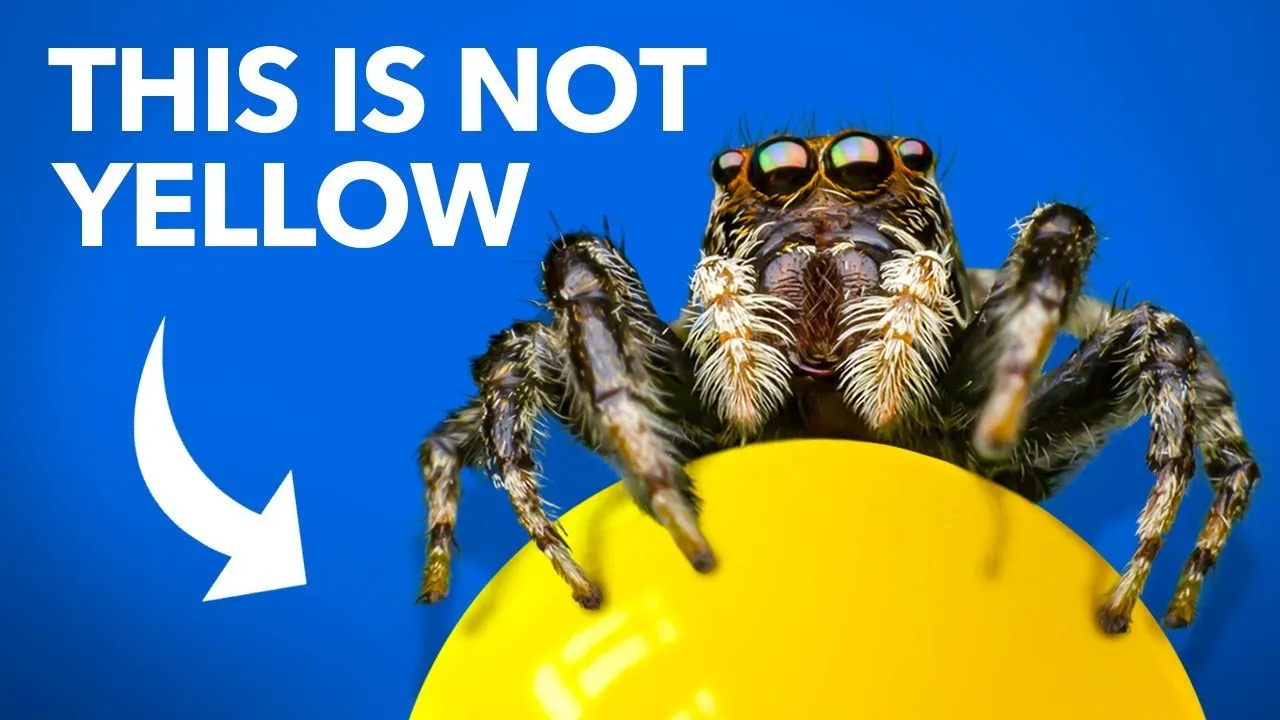
What Jumping Spiders Teach Us About Color

What Jumping Spiders Teach Us About Color

Color isn't just physics; it's biology. While humans rely on trichromatic trickery, jumping spiders hold the key to understanding the true evolution of sight. Explore how these "fly tigers" are revolutionizing our view of reality and the mechanics of color vision.

Members Public