Skip to content

Johnathan Bi

Great Books #4:  The Conscious Universe

Great Books #4: The Conscious Universe

Homer’s The Iliad is more than a war story; it is a revolutionary model of consciousness. From the tragedy of Patroclus to the Shield of Achilles, we explore how the epic challenges us to transcend limited perspectives and engage in radical empathy within a living, conscious universe.

Members Public
You Call it Humanity, Machiavelli Calls it Weakness

You Call it Humanity, Machiavelli Calls it Weakness

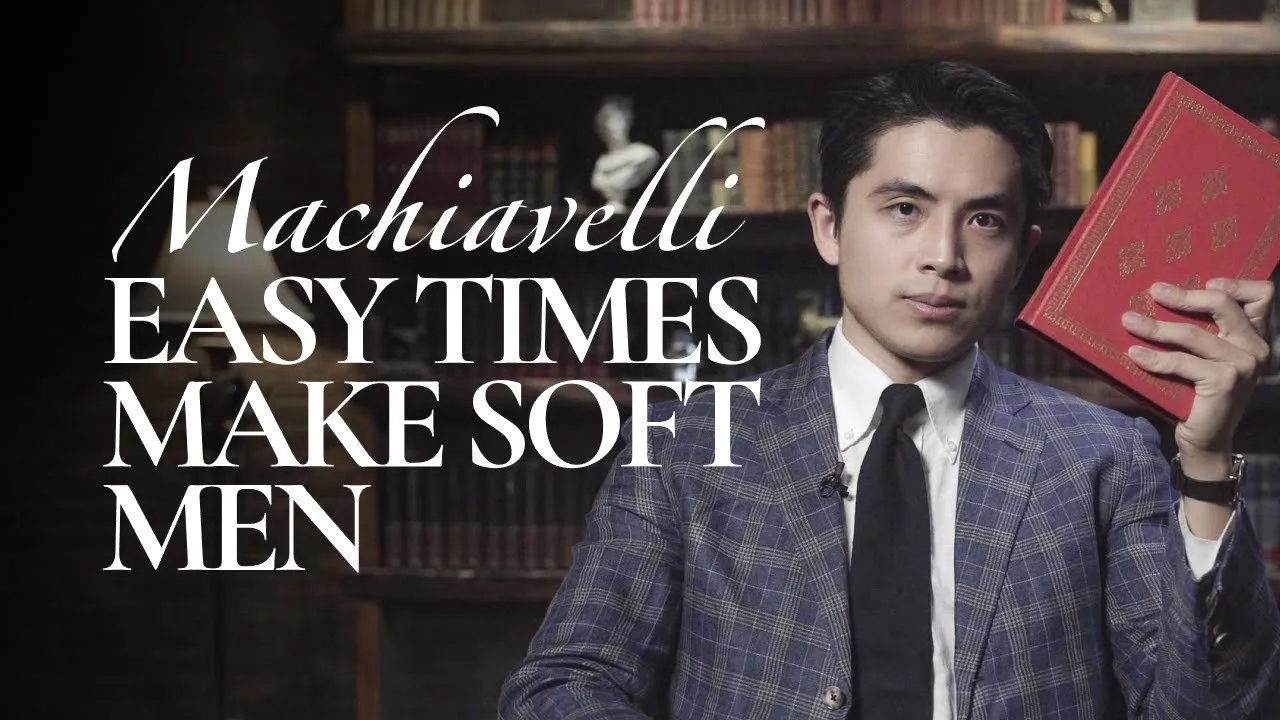
While modern society prizes peace, Machiavelli warns that easy times create soft men. He argues that the absence of conflict leads to moral decadence, whereas the dangers of conquest bring sobriety and spiritual health. Is our obsession with safety actually a dangerous weakness?

Members Public
Great Books #3:  Poets and Prophets

Great Books #3: Poets and Prophets

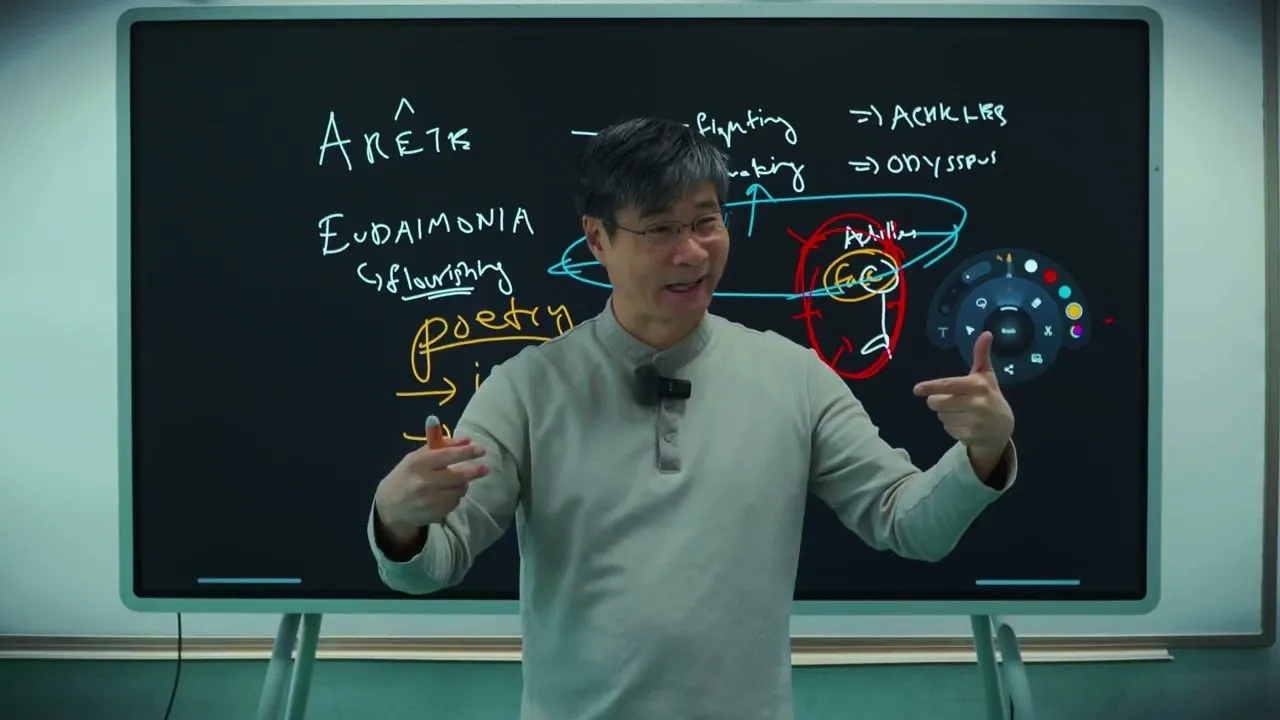
The Iliad is not merely an epic; it is the foundation of the West. By exploring Greek concepts of Arete, the philosophy of Kant, and the power of speech, we reveal how the poet functions not just as a storyteller, but as the ultimate creator of reality.

Members Public
Game Theory #5:  The World Game

Game Theory #5: The World Game

History reveals a paradox: wealthy nations rarely maintain dominance. Instead, marginalized groups often rise to conquer established civilizations. By applying game theory to history, we uncover why the "strongest" often lose and how the "Margin Advantage" shapes the World Game.

Members Public
Game Theory #3:  Rich Dad, Poor Dad

Game Theory #3: Rich Dad, Poor Dad

Traditional self-help touts willpower as the key to success, but game theory suggests otherwise. By analyzing parenting strategies across socioeconomic classes, this article reveals that human behavior is often a rational response to environment, not just a character trait.

Members Public
Game Theory #2:  Why Schools Suck

Game Theory #2: Why Schools Suck

Schools claim to foster critical thinking, yet often prioritize compliance and memorization. Why the disconnect? By viewing education through the lens of Game Theory, we reveal the systemic incentives that cause schools to inadvertently teach students to despise learning.

Members Public