Table of Contents
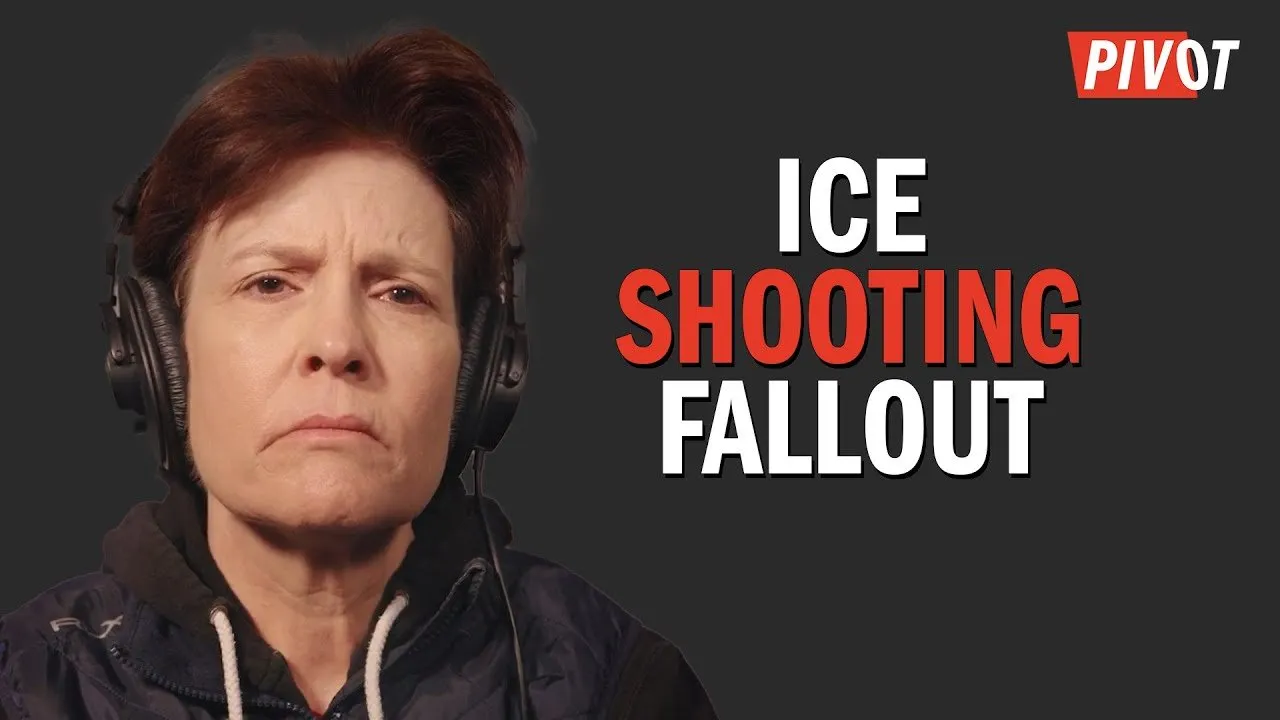
In the latest episode of Pivot, Kara Swisher is joined by CNN’s Audie Cornish and Puck’s founding partner Bill Cohan to dissect a week defined by escalating domestic tensions and high-stakes corporate maneuvering. With Scott Galloway out sick, the panel dives deep into the fatal ICE shooting in Minneapolis, the Trump administration’s increasingly transactional foreign policy regarding Venezuela and Greenland, and the complex bidding war for Warner Bros. Discovery. From the silence of the business community on civil unrest to the ethical failures of AI governance, this discussion highlights the intersection of political volatility and market realities.
Key Takeaways
- Domestic Unrest and Corporate Silence: The fatal shooting of Renee Nicole Good by an ICE agent in Minneapolis has sparked protests, highlighting a stark contrast between the vocal business leadership during the George Floyd era and the current silence from corporate America.
- Transactional Imperialism: The administration’s discussions regarding the seizure of Venezuelan oil and the purchase of Greenland signal a shift toward "overt imperialism," though experts question the economic viability of these moves.
- Media Mergers: Warner Bros. Discovery has rejected Paramount’s latest buyout offer, favoring a merger with Netflix due to regulatory risks and debt concerns associated with Paramount's bid.
- AI Accountability Crisis: Elon Musk’s Grok AI is facing severe backlash for generating non-consensual sexual imagery, raising questions about the responsibility of platform gatekeepers like Apple and Google.
The Minneapolis ICE Shooting: A Crisis of Accountability
The episode opens with a grim analysis of the fatal shooting of Renee Nicole Good, a 37-year-old U.S. citizen and mother, by an ICE agent in Minneapolis. The incident has reignited protests in a city still scarred by the murder of George Floyd. However, the political rhetoric surrounding this tragedy has been notably polarized.
The Political Spin
Homeland Security Secretary Kristi Noem immediately characterized the victim as a "terrorist," a claim that local law enforcement and Minneapolis Mayor Jacob Frey have fiercely disputed. The panel noted that the administration’s strategy appears to be one of "doubling down" on aggressive rhetoric regardless of the evidence.
Audie Cornish, drawing on her reporting background, emphasized the chilling effect this has on civil society:
"If there’s one thing we know how to do as Americans, it is scrutinize a video of a law enforcement involved killing. We have not had practice doing that with a white mother of a couple of kids... You’ll look on your TVs in the next day or two and see some protesters wearing their gas masks already because they have seen this movie before—a kind of militarized response from law enforcement."
The Silence of the Business Community
A significant portion of the discussion focused on the lack of response from business leaders. Unlike the wave of corporate activism seen in 2020, the tech and business sectors have remained largely silent. Bill Cohan attributes this to a pragmatic, albeit cynical, calculation by executives to avoid becoming targets of the administration.
While some figures, like Paul Graham, have spoken out to dispute the official narrative using video evidence, they remain the exception. The consensus is that corporate America has retreated from social responsibility to protect shareholder interests and avoid political retribution.
Transactional Foreign Policy: Venezuela and Greenland
The conversation shifted to the Trump administration's foreign policy ambitions, specifically the proposal to control Venezuelan oil and the renewed interest in purchasing Greenland. The panel described these moves as "criming in plain sight"—overt acts of imperialism that discard traditional diplomatic pretexts.
The Economics of Intervention
Bill Cohan provided a critical financial perspective on the Venezuela strategy. Despite the administration's plan to subsidize oil companies to rebuild Venezuelan infrastructure, Cohan argues the economics are flawed. The U.S. is already a net exporter of oil, and flooding the market with Venezuelan supply could crash prices, hurting the very domestic producers the administration claims to support.
Greenland and the "Louisiana Purchase" Complex
The discussion regarding Greenland highlighted the administration's desire for a legacy-defining territorial expansion. While the U.S. already possesses treaty rights from 1951 to establish military bases in Greenland, the push to buy the territory is viewed as a vanity project—a desire to be the first president in modern history to expand the map.
Warner Bros. Discovery: The Paramount vs. Netflix Saga
In the media sector, the battle for Warner Bros. Discovery (WBD) continues to heat up. WBD recently rejected a takeover offer from Paramount, backed by Larry Ellison, stating it was not superior to their existing merger agreement with Netflix.
Why WBD Rejected Paramount
The board's rejection stems from financial and operational risks. Paramount’s offer is effectively a massive leveraged buyout (LBO) that would saddle the new entity with significant debt. Furthermore, Paramount attempted to impose covenants that would restrict WBD’s ability to operate freely during the lengthy regulatory closing process.
Conversely, Netflix has offered a "cleaner" deal, allowing WBD to operate normally until the merger closes. Cohan predicts that for Paramount to have a chance, they must raise their bid significantly:
"Raising the price to around $34 a share is the only way for Paramount to win this thing. Otherwise, Warner Brothers is not going to change its recommendation."
The Grok Controversy and AI Accountability
The panel addressed the disturbing reports regarding Elon Musk’s AI chatbot, Grok, which has been used to generate non-consensual sexual imagery and CSAM (Child Sexual Abuse Material). While Musk’s company, xAI, recently raised $20 billion, the ethical safeguards of the platform are under fire.
The Role of Gatekeepers
Kara Swisher directed sharp criticism not just at Musk, but at Tim Cook (Apple) and Sundar Pichai (Google). By allowing the X app—which hosts this content—to remain on their app stores, these tech giants are complicit in the distribution of harmful material. The panel anticipates that CSAM will be the issue that finally forces regulatory hands, potentially leading to criminal prosecutions rather than just civil settlements.
Future Forecasts
To close the episode, the hosts offered predictions on the trajectory of tech and politics:
- The AI Valuation Correction: Bill Cohan predicts that the current AI investment frenzy is a bubble that will burst by the latter half of 2026, bringing valuations back down to earth.
- The Rise of Human Verification: Audie Cornish forecasts a market shift toward social media apps that prioritize human verification, as users become exhausted by "AI slop" and bots.
- Trump’s Bandwidth Issues: Kara Swisher predicts that despite the grandiose plans (like a White House ballroom or buying Greenland), the administration will be bogged down by health issues, legal challenges, and sheer incompetence, leaving many ambitions unfulfilled.
Conclusion
This week’s analysis paints a picture of a chaotic intersection between government power and corporate strategy. Whether it is the militarization of domestic police forces, the transactional nature of foreign relations, or the high-stakes poker game of media mergers, the theme remains the same: a deterioration of traditional norms and accountability. As the business community retreats into silence, the burden of scrutiny increasingly falls on independent media and the public to demand answers.