
Table of Contents
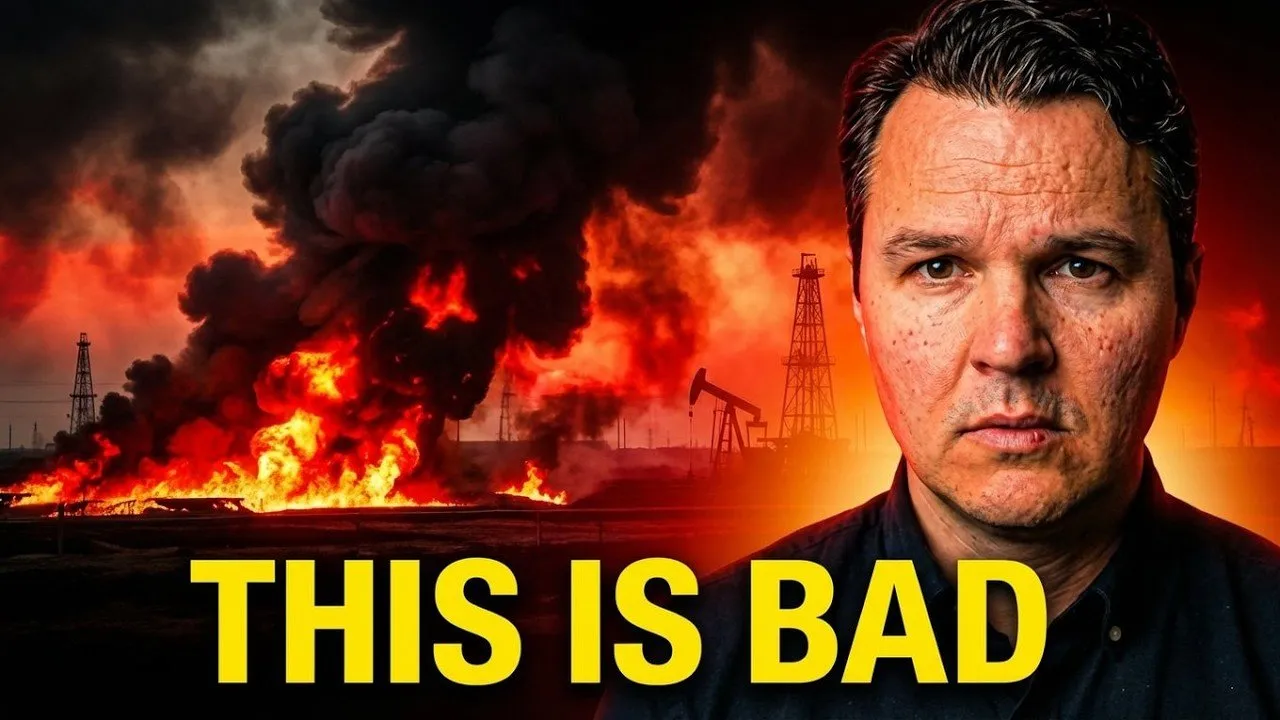
Global energy markets face a critical juncture as shipping traffic through the Straits of Hormuz has effectively ground to a halt. Following escalating geopolitical tensions and reports of direct military intervention, major tanker operators have halted transit through the vital chokepoint, threatening approximately 20% of the world’s daily oil supply and sparking fears of a protracted energy crisis.
Key Points
- Supply Chain Stagnation: Data from marine traffic trackers shows a near-total cessation of tanker movement, with vessels anchoring on both sides of the straits to avoid potential security risks.
- Price Volatility: Brent crude surged approximately 6% in a single session, with experts warning that oil prices could climb as high as $150 per barrel if the blockage persists for several weeks.
- Broader Economic Impacts: The crisis extends beyond fuel prices, threatening the supply of petroleum-based fertilizers and increasing transportation costs for global consumer goods.
- Market Sentiment: Major financial indices are showing signs of stress as institutional investors weigh the potential for a prolonged inflationary shock against possible diplomatic or military resolutions.
The Energy Chokepoint Crisis
The sudden disruption in the Straits of Hormuz represents the most significant challenge to global energy security in decades. According to industry reports, refineries in Asia have already begun warning of multi-week delays, creating a cascading effect that threatens to destabilize global supply chains. The urgency is compounded by the upcoming agricultural season, which relies heavily on the timely distribution of petroleum-based fertilizers.
The economic stakes are severe, with government officials and energy ministers closely monitoring the standoff. The primary concern among analysts is that the disruption is not merely a short-term logistical hurdle but a structural threat to the global economy.
"Qatar's energy minister warns oil prices could rise to $150 per barrel in two to three weeks if tankers remain unable to pass through the straits of Hormuz."
Market Implications and Investor Outlook
Financial markets have reacted with heightened volatility, with the S&P 500 showing signs of fatigue as investors look for catalysts to offset the geopolitical uncertainty. Analysts suggest that the market is currently entirely news-driven, meaning that any announcement regarding the deployment of naval escorts or a diplomatic breakthrough could trigger a rapid reversal in energy prices.
Beyond the energy sector, interest in Bitcoin and other risk assets remains tethered to the broader macroeconomic environment. While some market participants view Bitcoin as a potential hedge, others are focusing on the business cycle, noting that manufacturing and service sectors in the U.S. were beginning to expand prior to the current crisis. A prolonged energy spike, however, threatens to derail this momentum by increasing the cost of goods and services globally.
Equity and Asset Monitoring
Investors are closely watching several key equities that hold high exposure to the current market climate:
- MicroStrategy: Recent activity suggests significant accumulation of Bitcoin, with its preferred dividend shares (STRC) seeing record search volume and capital inflows.
- Marathon Digital: Markets are currently evaluating the firm’s pivot toward AI data centers against its large holdings of Bitcoin.
- Tesla and Meta: Technical analysts are monitoring these bellwether stocks for potential breakouts, as they remain highly sensitive to shifts in broad market liquidity and investor confidence.
Path to Resolution
The immediate outlook remains binary: either a swift restoration of safe passage through the Straits of Hormuz, or a protracted period of economic contraction driven by surging energy costs. Market participants are waiting for definitive signals from leadership regarding the implementation of naval escorts to secure merchant vessels.
Until a security framework is established, volatility is expected to remain elevated across all major asset classes. For traders and investors, the priority remains managing risk in an environment where technical indicators are frequently secondary to geopolitical headlines. Future market stability will depend on whether the current blockade is resolved through diplomatic channels or if the energy sector faces a sustained period of supply-side disruption.



![Banks Just Lost! XRP Holders Need To See This [NOW]](/content/images/size/w1304/format/webp/2026/03/kraken-fedwire-access-xrp-implications.jpg)
