Table of Contents
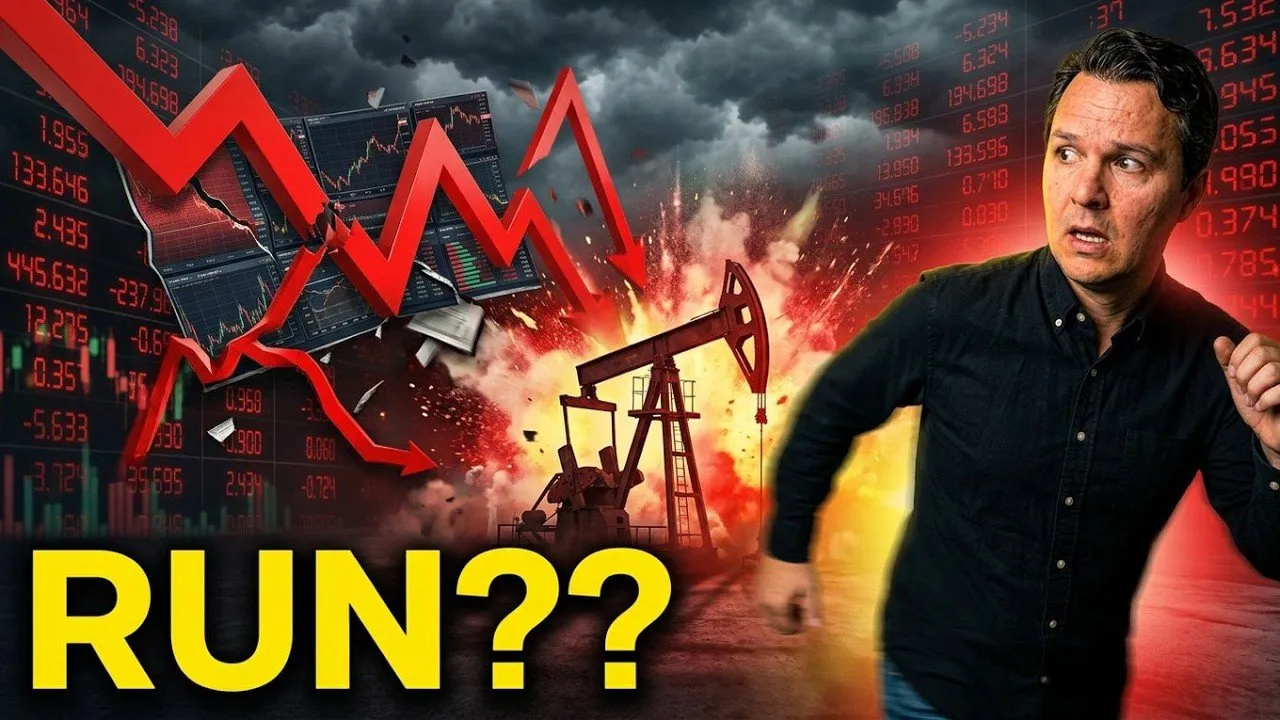
Escalating geopolitical tensions surrounding the Strait of Hormuz have sparked concerns of a potential global oil supply shock, drawing comparisons to historical market crises. As reports emerge that U.S. forces are preparing to secure the critical maritime chokepoint against potential interference, energy markets are bracing for volatility that could test the resilience of both oil prices and global equity markets.
Key Points
- Oil Price Sensitivity: Brent crude prices have hovered above $100 per barrel, with analysts warning that a failure to resolve the Strait of Hormuz standoff could push prices toward $150.
- Economic Implications: Sustained energy costs at these levels historically correlate with increased risks of a global recession, though current market reactions remain mixed.
- Historical Precedent: While past oil spikes in 1990 and 1980 acted as triggers for market downturns, other instances—such as the 2022 energy surge—occurred alongside existing monetary tightening, complicating simple cause-and-effect narratives.
- Strategic Volatility: The potential for military involvement in the region creates a high-stakes environment for investors, as maritime disruption threatens the flow of millions of barrels per day.
The Anatomy of an Oil Shock
The Strait of Hormuz serves as a vital artery for the global energy trade. Any sustained closure or militarized intervention threatens a supply disruption that would ripple across all sectors of the economy. Current media reports suggest the potential deployment of additional U.S. naval assets to escort tankers, a move designed to stabilize flows but one that inherently increases the risk of direct confrontation.
Historically, oil spikes have often coincided with periods of market weakness, yet the role of energy prices as a primary catalyst varies. For instance, the 2008 financial crisis was driven by credit and structural failures rather than energy, whereas the 1990 Gulf War era saw a more direct link between energy supply shocks and market correction.
"If oil prices come down very quickly, if the conflict resolves itself relatively quickly and oil gets back under $100 a barrel, probably not the worst situations are going to play out. If oil price disruptions remain and price goes above $100 a barrel significantly, say to $150, then the likelihood of a stock market crash becomes highly elevated in that scenario."
Market Resilience vs. Geopolitical Risk
Despite the prevailing anxiety, equity markets have shown surprising durability. S&P 500 futures have periodically signaled strength, with some analysts identifying a Ziggurat thrust—a technical indicator—suggesting the potential for a rally if the current geopolitical uncertainty finds a resolution. However, the disconnect between soaring energy costs and equity performance remains a central point of contention for traders.
The situation in the Middle East is already causing tangible economic friction. In regions such as Thailand, localized reports of fuel rationing underscore the physical constraints of the current disruption. Even if the shipping lanes were to be cleared immediately, the industry faces a significant lag time—often measured in weeks—to restore supply chains to pre-disruption efficiency.
Outlook and Investor Strategy
For investors, the immediate focus remains on the $100 price floor for Brent crude. A stabilization below this threshold would likely reduce the risk of a broader economic contraction. Conversely, an escalation that keeps prices elevated for an extended period would force a revaluation of growth assets and risk-sensitive portfolios, including cryptocurrencies and high-growth technology stocks.
Market participants are closely watching for signs of de-escalation in the Persian Gulf, as any diplomatic or military breakthrough could act as a catalyst for a relief rally. In the absence of such a resolution, the market is expected to remain in a defensive posture, prioritizing liquidity and monitoring the 200-day moving averages of key indices to gauge whether the current volatility represents a temporary correction or the onset of a more severe, oil-driven bear cycle.

![Bitcoin: An Unfortunate Pattern [Update]](/content/images/size/w1304/format/webp/2026/03/bitcoin-unfortunate-pattern-update.jpg)