Table of Contents
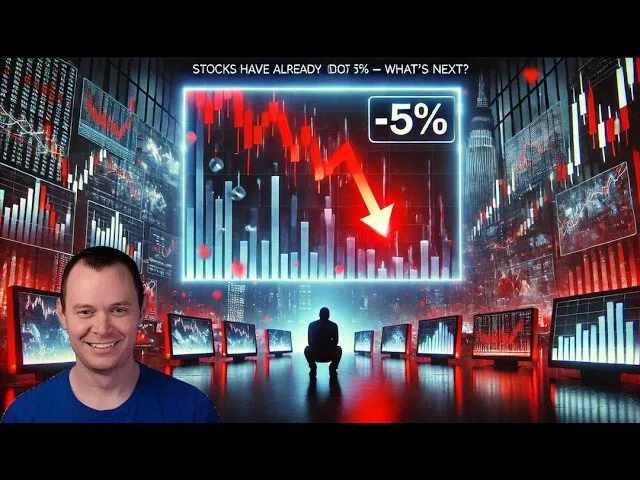
The stock market is currently navigating a period of heightened volatility, with major indices showing clear signs of a correction. After a long period of speculative growth, the S&P 500 has retreated approximately 5% from its recent highs, aligning with earlier projections of a 10% pullback. As investors weigh these declines against broader macroeconomic indicators, the question remains: are we witnessing a temporary dip or the beginning of a more profound shift in the business cycle?
Key Takeaways
- Correction Underway: The S&P 500 has dropped 5% from its highs, while the Dow and NASDAQ are seeing similar downward pressure, suggesting a broad-based market correction.
- Late-Cycle Indicators: Tightening liquidity and rising oil prices are characteristic of a late-stage business cycle, where speculative assets often underperform.
- Labor Market Vigilance: While recession fears persist, low initial jobless claims and steady hiring suggest we have not yet entered the "negative feedback loop" typical of a full-blown recession.
- Strategic Patience: Historical patterns in midterm years suggest that volatility often peaks in the third and fourth quarters; maintaining a long-term perspective is more effective than reacting to short-term panic.
Understanding the Current Market Correction
Market movements rarely occur in a vacuum. The current 5% drop in the S&P 500 mirrors structural trends observed in previous years, specifically 2021 and 2022. By analyzing the NASDAQ’s performance, we can see a pattern of "lower highs" that serves as a technical warning sign. This divergence, when compared against the Dow Jones Industrial Average, suggests that the market is grappling with the same resistance levels that have historically preceded periods of distribution.
The Role of Technical Resistance
While a 10% total correction remains the most probable outcome, the path to that target is seldom a straight line. Indices are currently testing key support levels. If the market manages to hold these levels, we could see short-term bounces before further downward pressure resumes. The key is distinguishing between a standard healthy pullback and a more durable trend reversal.
"The way you get recessions are lower asset prices. It's not the other way around. By the time you get lower asset prices and the recession is occurring, the stock market is oftentimes bottomed."
The Macroeconomic Landscape
A stock market correction does not automatically trigger an economic recession. Currently, the labor market remains a critical buffer. With initial jobless claims hovering around 213,000, we remain well below the threshold that typically signals a contraction. Recessionary environments are usually confirmed when a durable drop in asset prices forces corporations into a negative feedback loop of layoffs, which subsequently reduces hiring and consumer spending.
Late-Cycle Dynamics
We appear to be in the later stages of the current business cycle. This phase is characterized by capital moving from high-risk assets to lower-risk ones—a trend often referred to as "bleeding down the risk curve." Investors who were accustomed to the aggressive growth of early-cycle environments are now finding that speculative assets like altcoins and even Bitcoin are facing significant headwinds compared to more defensive sectors like energy and manufacturing.
Liquidity and the Path Forward
Liquidity acts as the lifeblood of the equity markets, and current indicators suggest that conditions are tightening. As the dollar rallies, it places additional pressure on liquidity, making it more difficult for high-risk assets to sustain momentum. This environment often rewards those who prioritize defensive positioning over speculative growth.
The Midterm Year Window
Historically, midterm years are notoriously difficult for market growth, particularly in the third and fourth quarters. The current distribution phase we are witnessing may be setting the stage for weakness later in 2026. Rather than relying on a "crystal ball," investors should look at the cyclical fractals of the 1990s, which illustrate how markets often struggle before finding a sustainable bottom.
"Bare markets make fools of both bulls and bears. A lot of times in bare markets, you spend more time trending up than trending down."
Navigating Volatility with a Long-Term View
It is essential to avoid the impulse to panic-sell during standard corrections. Even in recessionary scenarios, equity markets have historically recovered, and not every contraction results in a catastrophic 50% drawdown. The goal for the prudent investor is to avoid being "caught offside" by sudden, sharp drops while remaining flexible enough to capitalize on tactical rallies.
"I don't want people to think that it's impossible for things to ever look good again. I think it's important to have a long-term mindset."
Ultimately, the market is performing exactly as one might expect for this stage of the business cycle. While Bitcoin and other speculative assets may experience tactical rallies, they remain downstream of the broader liquidity conditions that are currently affecting the S&P 500 and the wider economy. By monitoring the labor market and remaining disciplined, investors can navigate this period of weakness without sacrificing their long-term financial health.