
Table of Contents
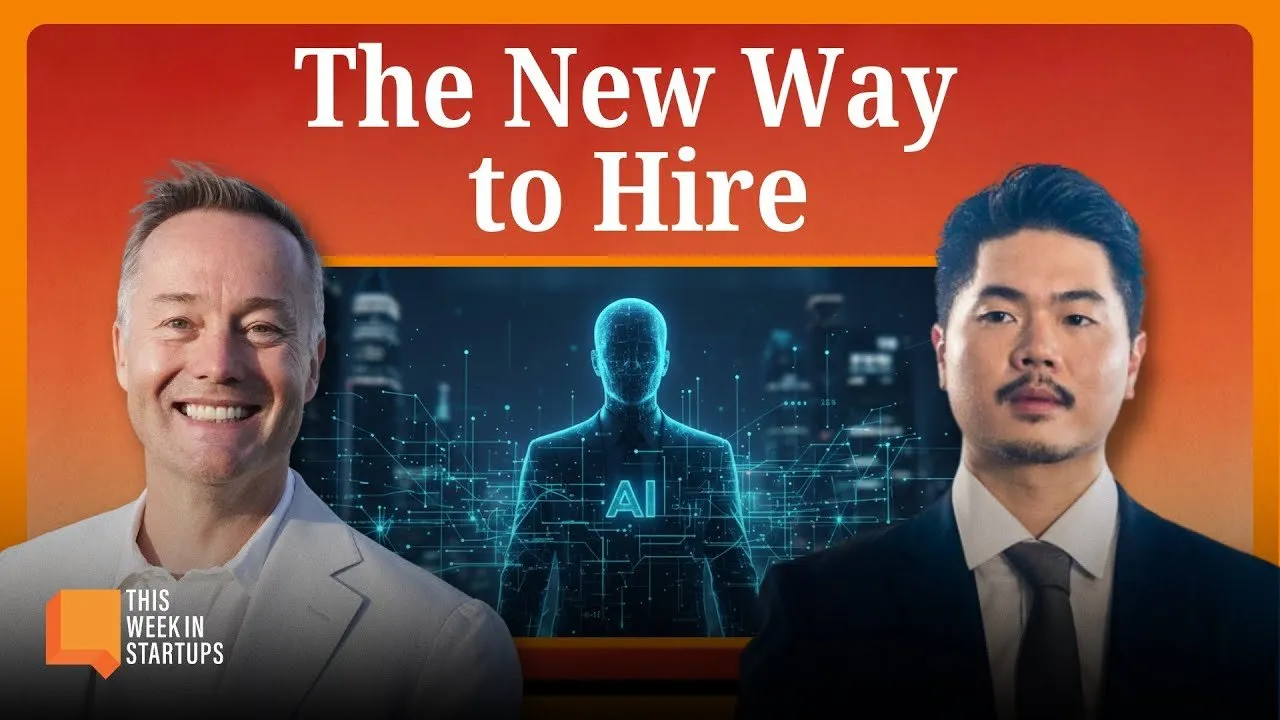
Recruiting is often cited as the single most critical bottleneck for high-growth startups. However, the dynamics of finding and retaining top talent change drastically when moving across borders. In a recent live episode of This Week in Startups filmed in Tokyo, Jason Calacanis sat down with Sho Takei, CEO of Hyre and a former recruiter for Travis Kalanick at Uber and Cloud Kitchens. Their conversation offered a masterclass in navigating the stark differences between the US and Japanese talent markets, the aggressive tactics required to build "super pumped" teams, and the evolving role of AI in the hiring process.
Key Takeaways
- Risk aversion defines the Japanese market: Unlike the US, where equity upside drives recruitment, Japanese candidates prioritize stability and cash, though this is slowly changing due to success stories like Uber.
- Firing is culturally and legally difficult in Japan: The difficulty of letting staff go forces companies to be incredibly conservative and rigorous during the hiring process.
- Founders must sell, not just screen: Top-tier talent, especially passive candidates, requires founders to spend significant time pitching the vision rather than just conducting interrogations.
- AI acts as a force multiplier, not a replacement: While AI excels at sourcing and administrative tasks, the "human in the loop" remains essential for closing candidates and assessing cultural fit.
- In-office culture provides a speed advantage: Early-stage startups benefit immensely from the alignment and energy of in-person work, a trend seeing a resurgence despite the popularity of remote options.
The Cultural Divide: Hiring in Japan vs. the US
For US startups expanding into Asia, applying American hiring playbooks without adaptation is often a recipe for failure. Sho Takei highlighted that the fundamental motivations of the workforce differ significantly between the two regions.
Stability Over Equity
In Silicon Valley, candidates often calculate the "opportunity cost" of not joining a rocket ship, driven by the potential value of stock options. In Japan, the mindset is predominantly risk management. Candidates look for safety, longevity, and cash compensation.
Takei noted that while Uber helped introduce the concept of lucrative stock options to the Japanese market, the volatility of foreign startups entering and exiting the region has made candidates skeptical. Unless a candidate comes from high-risk environments like investment banking, cash remains the primary lever for negotiation.
The Complexity of Letting People Go
One of the most distinct differences discussed was the legal and cultural framework surrounding termination. In the US, at-will employment allows startups to correct hiring mistakes quickly—"hiring is guessing, firing is knowing," as Takei phrased it. In Japan, labor laws strongly favor the employee, making termination incredibly difficult.
"When they hire in Japan, they are a lot more careful than in the US... because [in the] US you can just let them go. In Japan, it is a lot more difficult."
This rigidity leads to "backdoor" corporate tactics in larger Japanese firms to encourage voluntary resignation, such as creating temporary departments for underperformers that are subsequently shut down. For startups, the implication is clear: the hiring filter must be significantly tighter because the commitment is effectively permanent.
Aggressive Tactics from the Uber Playbook
Having worked directly with Travis Kalanick at two different unicorns, Takei shared insights into the aggressive, high-standard recruiting culture that built Uber and Cloud Kitchens. These strategies prioritized cultural alignment and intensity over traditional credentials.
Testing for Hustle
Uber’s interview process in Japan was designed to be deliberately difficult to filter for candidates who were "super pumped." The process involved analytical exercises and deep-dive strategy presentations that required unpaid spec work. While this alienated candidates looking for a standard 9-to-5 corporate role, it acted as a perfect filter for entrepreneurial talent willing to push boundaries.
Takei emphasized that Kalanick did not want safe players; he wanted people who would reject constraints. If a city launcher said something was impossible, they weren't the right fit. The interview process was a test of that resilience.
The Founder as Chief Recruiter
Perhaps the most critical lesson for early-stage founders is the allocation of time. Kalanick viewed recruiting as a frontline function, equal in importance to operations or sales. He dedicated weekly blocks of time specifically to recruiting updates and strategy.
"He hosted a global tour... and he was trying to recruit for Cloud Kitchens. He would ask his team to invite all the great profiles to a happy hour, and Travis would show up... and sell Cloud Kitchens to an audience of 100 people."
This "private jet tour" approach underlines a universal truth in recruiting: high-level candidates want access to the decision-maker. Founders who delegate all recruiting duties to HR early on often fail to close the highest-quality talent.
Remote Work vs. The Return to Office
The post-pandemic talent market has shifted heavily toward remote preferences, with many candidates refusing roles that require five days in the office. However, for early-stage startups, the consensus was that in-person collaboration provides a tangible competitive advantage.
Takei argued that for companies in the "zero to one" phase, the ability to "fight on the field" together creates energy and alignment that is difficult to replicate over Zoom. While remote work opens up a global talent pool, the trade-off is often speed and culture.
Calacanis shared his own investment firm's policy, which serves as a potential model for hybrid setups: remote work is treated as a privilege earned by high performance. By requiring the majority of the team to be in-office while allowing top-tier performers flexibility, companies can maintain culture while rewarding output.
The Role of AI in Modern Recruiting
As startups look to do more with less, AI has permeated the hiring stack. However, the conversation drew a sharp line between where AI adds value and where it detracts from the process.
Efficiency vs. Experience
AI tools are now standard for writing job descriptions (with nearly every hand in the audience raising when asked if they use ChatGPT for this) and are increasingly used for sorting resumes. Takei envisions the "10x recruiter"—a professional whose administrative burden (scheduling, note-taking, sourcing) is handled by software, allowing them to focus entirely on the human element.
The Limits of Automation
Conversely, fully automated "AI interviewers" were met with skepticism. High-value candidates expect human interaction. Subjecting a potential key hire to a robot interview signals a lack of respect and is likely to damage the employer brand.
"Recruiters need to influence... nobody wants to talk to a robot and join a company. I strongly believe recruiters will not be replaced, but it's just going to help a recruiter do so much more."
Closing the Deal with Top Talent
The most coveted candidates are rarely looking for a job. They are currently employed, well-compensated, and often happy. "Shaking loose" this talent requires a high degree of personalization and aggressive problem solving.
Solving Personal Problems
To move an executive who is making $500k or $1M a year, simply offering a slightly higher salary is rarely enough. The strategy must shift to solving their life problems. This could mean handling complex tax situations, paying for housing, covering school tuition, or providing a massive leap in title and responsibility.
Selling the Vision
Takei advised founders to stop "grilling" candidates in the first interview. When dealing with passive talent, the first 30 to 60 minutes should be dedicated entirely to selling the company and transferring the founder’s enthusiasm to the candidate. If the candidate isn't excited about the mission, no amount of technical vetting matters.
Conclusion
Whether in Tokyo, Silicon Valley, or Riyadh, the core tenets of elite startup recruiting remain consistent: it requires obsessive attention from the founders, a willingness to filter for cultural fit over resume accolades, and the ability to sell a vision that outweighs the safety of a corporate job. While Japan presents unique regulatory and cultural hurdles, the influx of global tech companies is slowly shifting the landscape, creating new opportunities for founders willing to adapt their approach to the local market.




%20%7C%20E2233)